Retinol skin renewal guide: How retinoids renew skin cells
The subject here is Retinol skin renewal guide.
"Retinoids represent a cornerstone of dermatological science, offering a targeted approach to skin cell turnover and texture refinement."
Retinol derivatives function by accelerating the natural turnover of skin cells to promote smoother, more rejuvenated skin. For those seeking high-efficacy anti-aging, understanding the balance between potency and tolerability is essential for successful integration into a daily routine.
This guide covers the biological mechanisms of retinoids, stability considerations, and specific application steps to ensure skin health.
Key takeaways: * Retinoids promote skin renewal through cellular turnover. * Formulation technology, such as microspheres or lotions, can improve skin tolerability. * Stability is highly sensitive to light and certain chemical combinations.
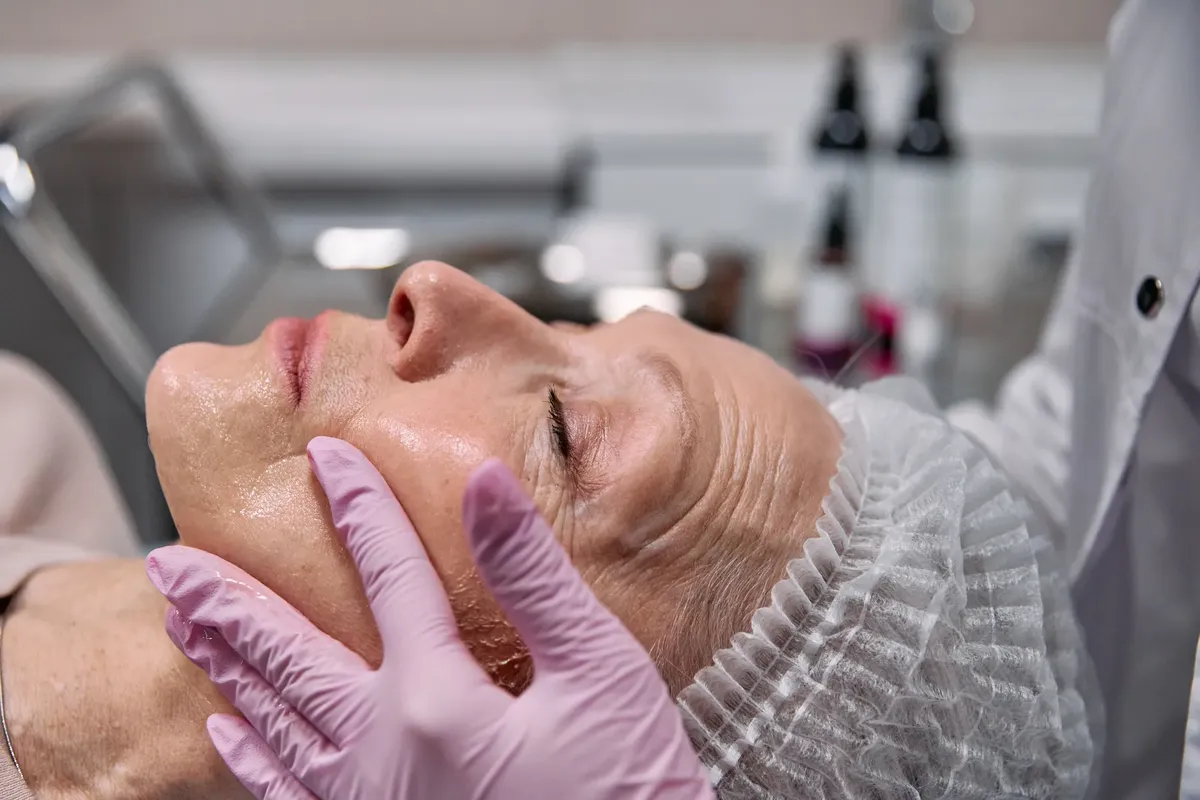
* Proper timing and gradual introduction are vital for managing skin sensitivity.
How do retinoids work to renew the skin?
A person stands before a bathroom mirror, gently applying a pea-sized amount of cream to their fingertips. The texture of the product is smooth, designed to integrate into the skin's natural layers to facilitate renewal.
Retinoids work by interacting with cellular receptors to influence how skin cells grow and shed. While the goal is often aesthetic, the biological mechanism involves managing the rate of exfoliation.
This process helps replace older, damaged cells with newer ones, contributing to a more uniform skin surface.
Lotion-based formulations, such as 0.05% tretinoin lotion, were developed from polymeric emulsion technology to improve the skin's tolerability while maintaining clinical efficacy.
This type of technological advancement allows for the delivery of active ingredients in a way that balances effectiveness with the skin's ability to handle the treatment. Using a lotion rather than a heavy cream can often make the application feel more seamless during a nightly routine.
I remember the first time I experimented with a high-potency serum; the sensation of the product sinking into my skin made me realize how much formulation matters for daily comfort.
Retinoids accelerate cell turnover by signaling skin cells to regenerate more quickly, which helps shed dead cells and promotes a smoother texture.
Why is stability a concern for high-efficacy products? Retinol skin renewal guide
As dawn breaks over the sunlit vanity, I reach for the amber bottle of retinol and notice the slight warmth of the morning light hitting the glass.
A bright sunlight-filled room casts shadows across a vanity where a glass bottle of serum sits near an open window. The careful placement of skincare products is necessary because many active ingredients are sensitive to environmental factors.

Stability is a major factor in determining the effectiveness of a retinoid over time. When active ingredients are exposed to light or specific chemical agents, they can lose their potency through degradation.
Maintaining the integrity of the compound ensures that the user receives the intended benefits.
When combined with 10% benzoyl peroxide and exposed to light, significant degradation occurs, with over 50% of the compound degrading within approximately two hours and up to 95% within 24 hours.
This rapid loss of efficacy means that mixing certain products or using them in bright light can render the treatment nearly useless.
In contrast, microsponge technology offers a different result. When microsponge tretinoin is exposed to benzoyl peroxide and light, it exhibits improved stability compared to other formulations, with only approximately 1% degradation after four hours and approximately 13% after 24 hours.
This demonstrates how specific delivery systems can protect the active ingredient from environmental breakdown.
Many potent retinoids are sensitive to light and air, meaning they can degrade and lose their effectiveness if not properly stabilized in the formula.
What are the best steps for applying retinoids?
A hand reaches for a gentle cleanser, followed by a soft towel to pat the skin dry. The sequence of steps is methodical, prioritizing a clean and dry surface before any active treatment is applied.
To minimize irritation while maximizing the benefits of the product, follow these steps:
- Cleanse the skin thoroughly with a gentle, non-stripping cleanser to remove oils and impurities. 2. Wait for the skin to be completely dry, delaying the application of the retinoid for at least 20 minutes after washing and drying the face may also be helpful. 3. Apply a small, controlled amount of the product to the face, avoiding sensitive areas like the corners of the eyes and mouth.
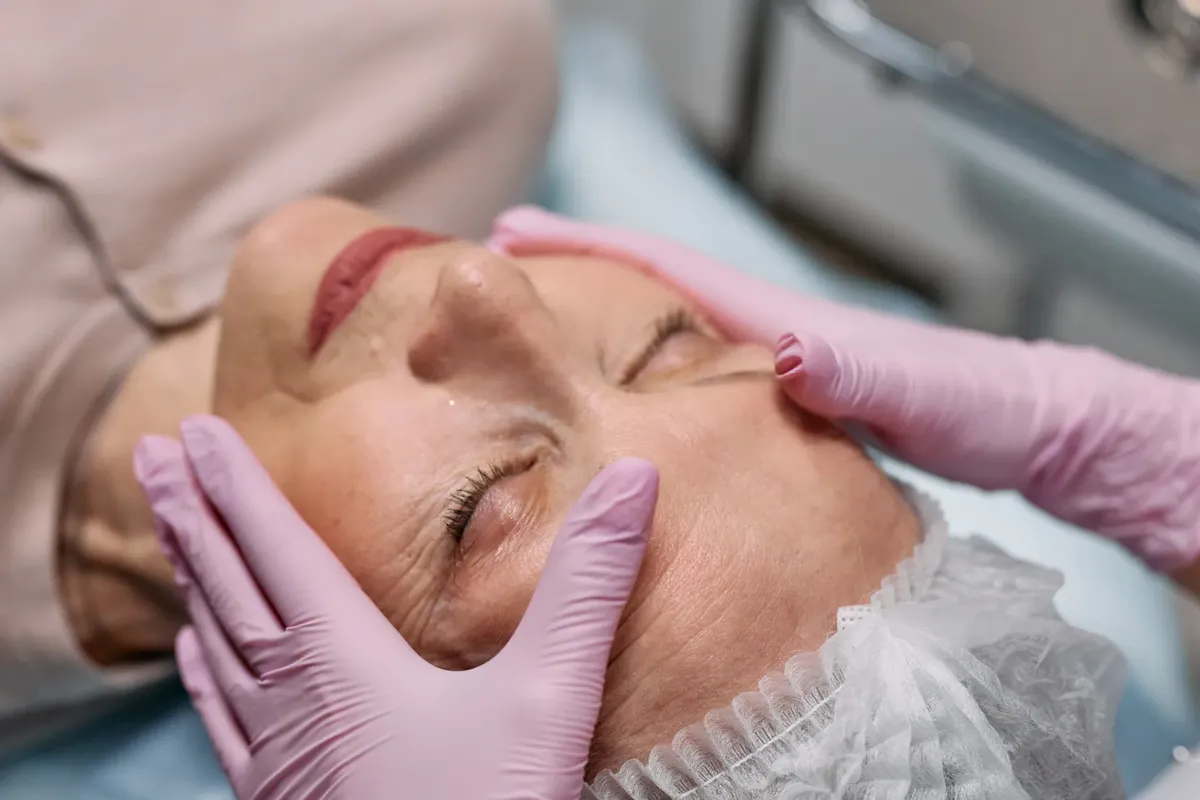
After the product is applied, perform a final check to ensure no excess remains in the creases of the skin. This careful application helps prevent localized irritation.
If you have extremely sensitive skin, the standard application process might need to be adjusted. For those with high sensitivity, a "sandwich method" involving a moisturizer applied before and after the retinoid is often used to buffer the intensity.
- Cleanse the skin thoroughly and allow it to dry completely.
- Apply a pea-sized amount of the product evenly across the face.
- Follow with a moisturizer to prevent dryness and irritation.
How can different formulations be compared?
A researcher examines two different tubes of cream, noting the slight differences in thickness and color. Comparing how a product is delivered helps in choosing the right tool for specific skin needs.
According to the FDA, tretinoin microsphere gel, marketed as Retin-A Micro, was approved for the treatment of acne in 1997.
| Feature | Standard Lotion Formulation | Microsponge Formulation |
|---|---|---|
| Primary Goal | Improve tolerability and efficacy | Improved stability under light/peroxide |
| Degradation (24 hrs with light/BP) | Up to 95% | Approximately 13% |
Choosing between these options depends on the user's specific skin goals and environment. While some formulations favor ease of use, others focus on protecting the active ingredient from the elements.
I find that the second step in this process is the most critical for ensuring even distribution.
What are the limitations of using these products?
An empty bottle sits on a shelf, a reminder of a finished regimen. The cycle of skincare involves understanding that no single product is a permanent solution without consistent, careful management.
The effectiveness of a product is limited by its chemical stability and the individual's skin response.

For example, certain historical treatments like etretinate were discontinued because they had a narrow therapeutic index as well as a long elimination half-life (t1/2 = 120 days), making dosing difficult.
This highlights the importance of modern formulations that prioritize a safer, more manageable profile for the user.
Users may experience redness, peeling, or dryness, especially when starting a new regimen or using high concentrations.
The subject here is Retinol skin renewal guide.
The same subject is also called Retinol anti-aging mechanism.
The same subject is also called How retinol works on skin.
The same subject is also called Retinol exfoliation process.
The same subject is also called Effective retinol usage.
This part also covers Retinol for different skin.
This part also covers Advanced anti-aging tips.
This part also covers {.
Related




Comments 0