How can mixing serum and oil strengthen the skin barrier?
A single drop of oil can change the entire texture of a serum, turning a standard routine into a professional-grade barrier treatment. Mastering the blend between water-based actives and lipid-rich oils allows you to seal in moisture and enhance the delivery of essential nutrients.
Achieving a healthy skin barrier requires balancing hydration with lipid replenishment through strategic serum and oil mixing. This guide covers how to combine these textures, the specific steps to execute a seamless blend, and how to adjust ratios for different skin needs.
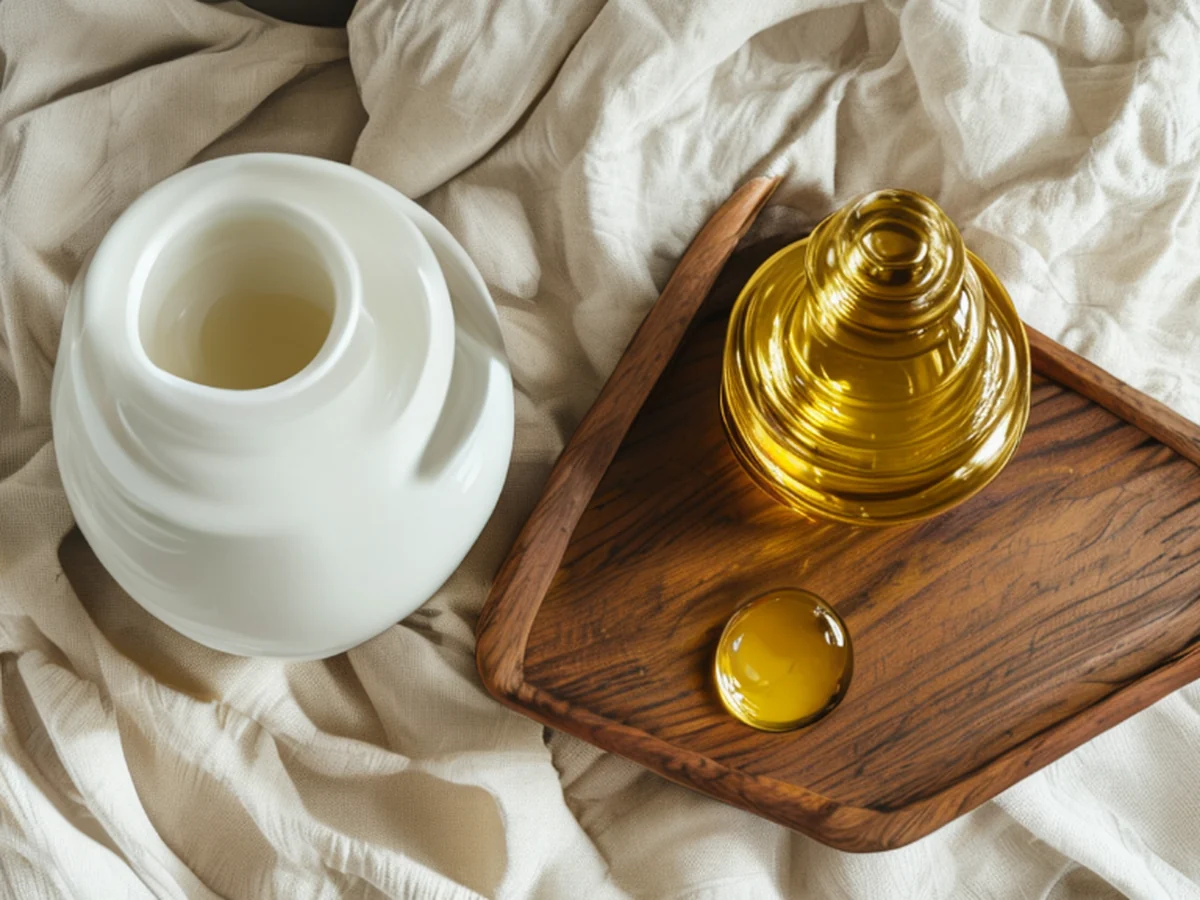
Key Takeaways: * Combine serums and oils to lock in active ingredients and prevent transepidermal water loss. * Follow a specific layering sequence to ensure absorption without heaviness. * Adjust the ratio of oil to serum based on seasonal changes and skin sensitivity.
How can mixing serum and oil strengthen the skin barrier?
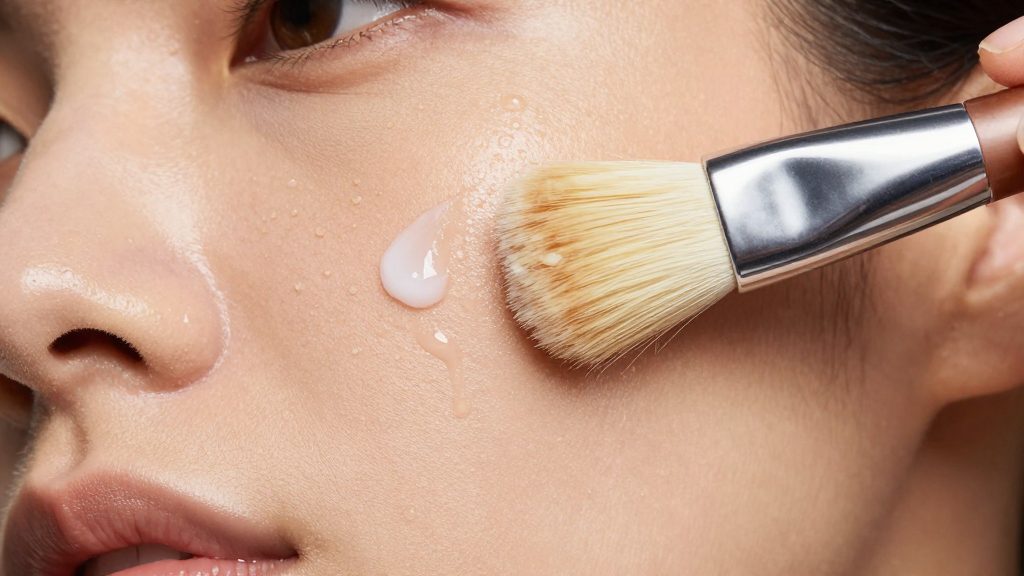
The ritual of mixing a viscous serum with a lightweight oil begins with a gentle application of the water-based product to damp skin. By integrating oils directly into the serum phase, you create an emulsion that mimics the natural lipid structure of the skin.
According to the Pew Research Center, 62% of US Latinos say that having a darker skin color affects their ability to get ahead.
The skin barrier relies on a delicate balance of water and lipids to remain resilient against environmental stressors. When you apply a serum, you provide much-needed hydration, but without a lipid component, that moisture can evaporate quickly.
Adding a few drops of oil to your serum creates a protective seal that mimics the skin's natural sebum.
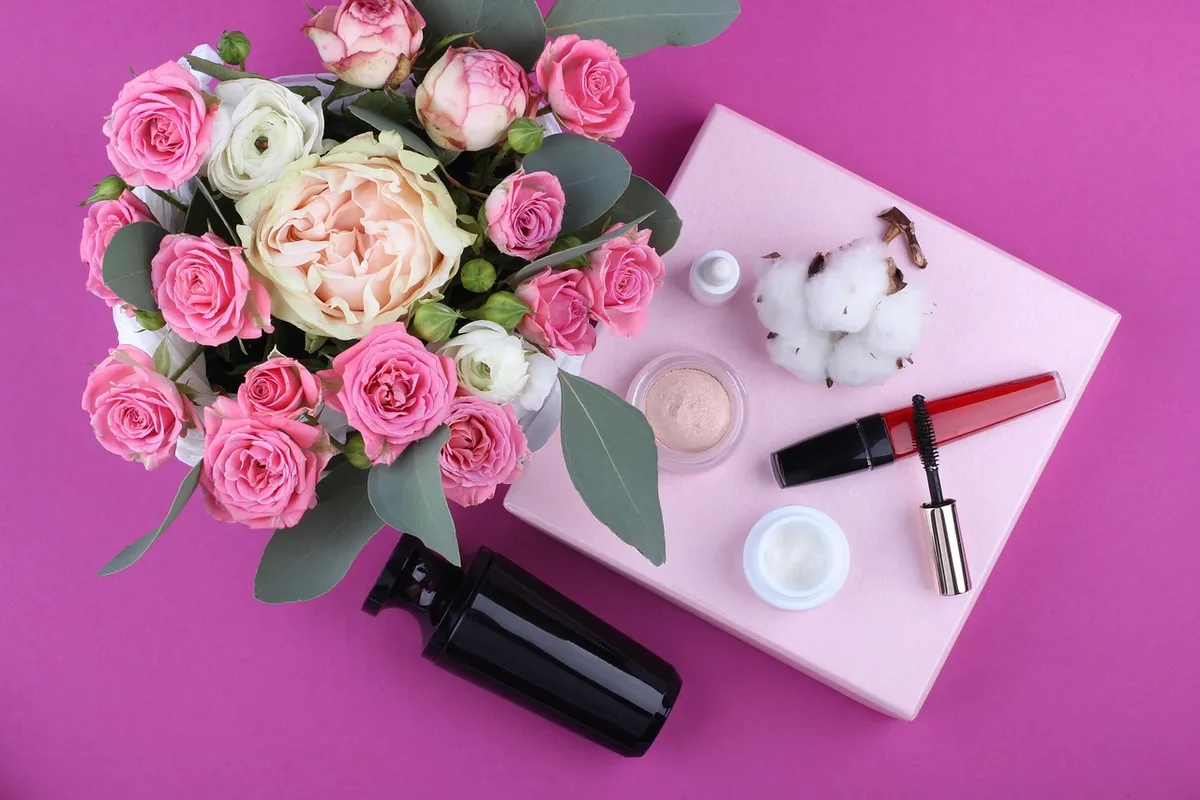
This technique helps prevent moisture from escaping through the surface while simultaneously assisting the absorption of water-soluble actives. Instead of applying oil as a separate heavy layer, the blend allows the ingredients to integrate more smoothly into the skin's upper layers.
This method ensures that the skin remains supple and the barrier remains intact throughout the day.
Serums deliver concentrated active ingredients, while oils provide occlusive protection to lock in moisture. Combining them creates a synergistic effect that prevents transepidermal water loss and reinforces the lipid layer.
What is the best way to blend these products? Serum oil blending secrets
I remember the first time I tried mixing a high-concentration hyaluronic acid serum with a rosehip oil in the palm of my hand, feeling the textures merge into a single, silky fluid. The sensation of the two different viscosities becoming one cohesive layer was the key to a more efficient routine.
To achieve a professional result at home, follow these three steps:
- Dispense your preferred water-based serum into the palm of your hand. 2. Add two to three drops of a compatible facial oil to the serum. 3. Gently swirl the two liquids together with your fingertips before pressing the mixture into your face.
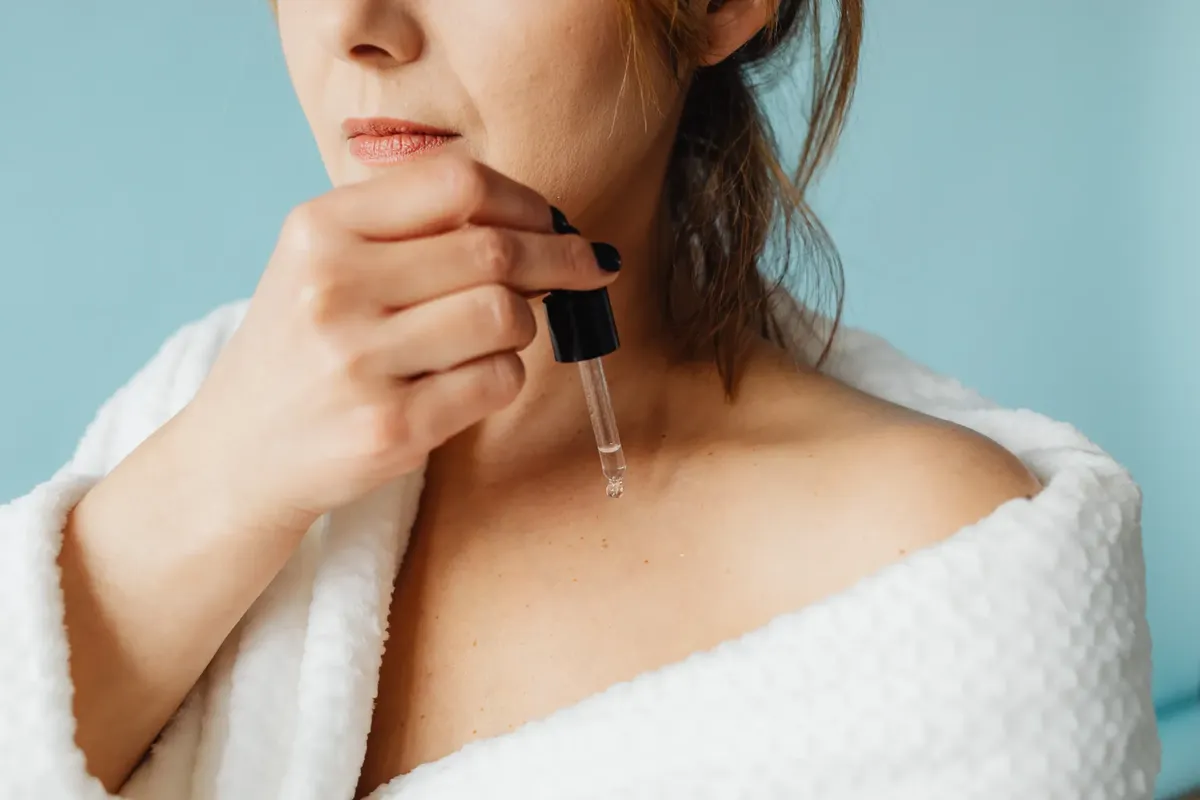
This sequence ensures that the oil does not sit on top of the skin as a barrier to the serum, but rather works with it. By mixing them first, you create a customized emulsion that is easier to spread and absorb. Always finish by tapping the mixture into the skin to ensure even distribution.
- Dispense your preferred serum onto clean palms.
- Add two to three drops of facial oil to the serum.
- Gently press the mixture into your face and neck.
How do I choose the right ratio for my skin type?
A person sits at a vanity, carefully measuring drops of oil into a clear glass bottle of serum to find the perfect consistency. The light catches the swirling liquids as they prepare to transform their nightly routine.
The ratio of serum to oil should change based on your specific skin condition and the environment. For those with oily or combination skin, a higher ratio of serum to oil is often preferred to maintain a lightweight feel.
For dry skin, increasing the oil component provides the intensive lipid replenishment needed to combat flakiness.
| Skin Type | Primary Focus | Recommended Blend Ratio |
|---|---|---|
| Oily/Combination | Lightweight Hydration | High Serum, Low Oil |
| Dry/Dehydrated | Intensive Lipid Seal | Moderate Serum, Moderate Oil |
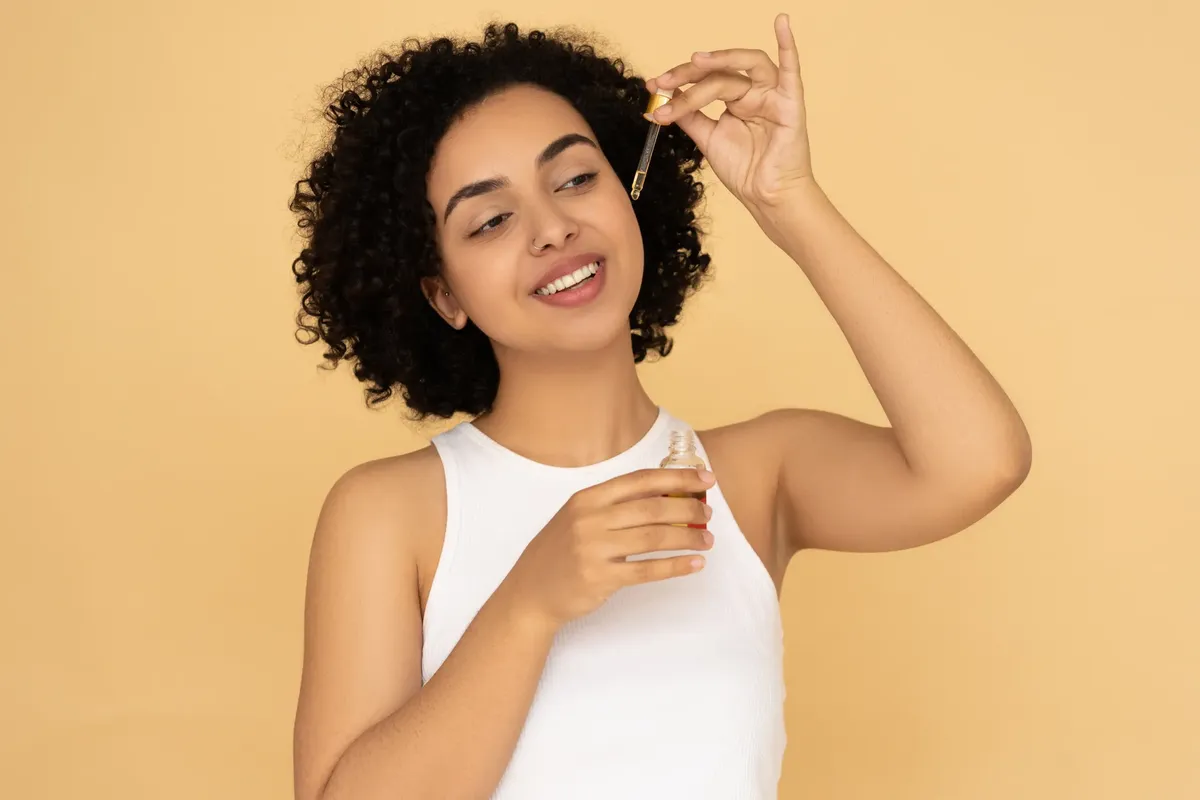
I find that adjusting these proportions allows me to use the same core products throughout different seasons. In the summer, I lean toward more serum, while in the winter, I increase the oil drops.
In this sequence, the second step is the most significant for adjusting texture. For oily skin, use a higher serum-to-oil ratio, whereas dry skin benefits from a more generous amount of oil.
When should I avoid this technique?
A user reaches for a heavy cream instead of an oil blend when they notice their skin feels overly greasy or congested. They pause to consider if the current combination is too heavy for their morning routine.
This technique is not suitable for everyone at all times. If you have extremely acne-prone skin or are currently experiencing a severe breakout, adding heavy oils to your serum might lead to clogged pores. In such cases, it is better to stick to lightweight, non-comedogenic hydrators.

The effectiveness of this method depends on the compatibility of the ingredients. If a serum contains very heavy waxes or if the oil is highly comedogenic, the blend may feel uncomfortable or cause irritation. Always monitor how your skin reacts to the new texture.
Avoid this method if you are prone to cystic acne or if the oil used is highly comedogenic. If you experience breakouts, try applying the oil separately over your moisturizer instead.
The subject here is Serum oil blending secrets.
The same subject is also called Boost skin barrier care.
The same subject is also called Custom skincare routine.
The same subject is also called Serum oil mixing tips.
The same subject is also called Enhance active ingredient.
This part also covers Best for strong skin barrier.
This part also covers Advanced final skincare step.
Related




Comments 0