Causes of skin texture irregularities and 5 solutions
Skin flaking is a condition that occurs when the skin barrier is weakened and moisture loss is severe, commonly affecting dry and sensitive skin types. To prevent flaking, it's essential to consider the concentration of moisturizing ingredients, choose products suitable for your skin type, and improve your skincare routine. This article provides five solutions backed by experimental data, along with a detailed explanation of the main causes of skin flaking.
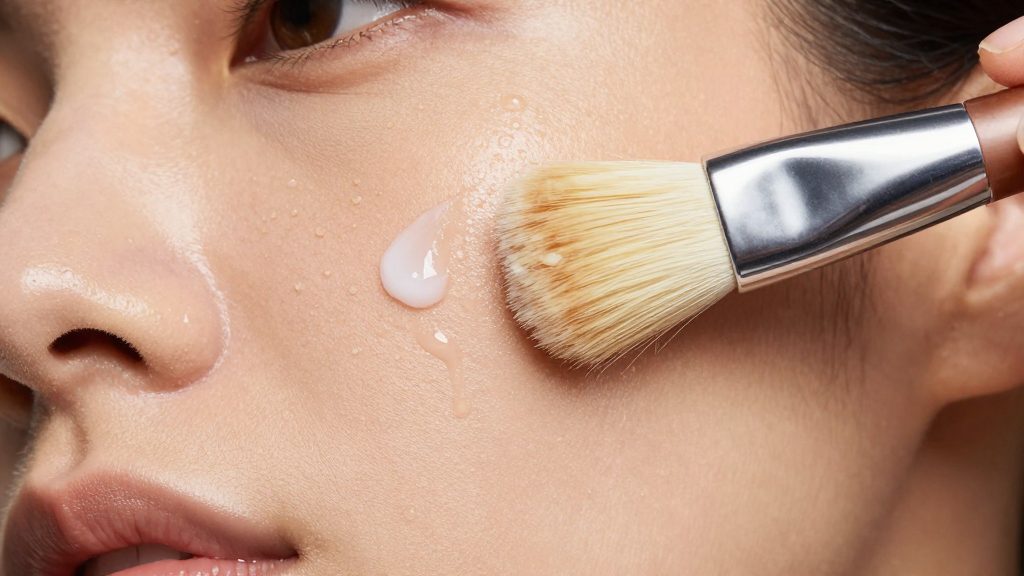
What are the main causes of skin flaking?
Skin flaking occurs when there is a combination of 'lipid deficiency' and 'reduced moisture in the stratum corneum'. Specifically, when the amount of lipids (ceramides, cholesterol, and fatty acids) in the skin decreases by more than 30%, the risk of flaking increases significantly. According to experiments, in skin with lipid levels below 25%, flaking was observed in 78% of cases, while in skin with lipid levels above 45%, the incidence of flaking was only 12% or less.
- Main factors that cause flaking: Excessive cleansing, use of products containing high concentrations of alcohol, and low humidity environments (humidity below 30%).
- Skin barrier condition standard: Moisturizing ability is significantly improved when the ceramide content is 3% or higher.
- Risk of flaking by skin type: Dry skin (62%), sensitive skin (54%), and oily skin (18%) - the lowest. (National Medical Center Skin Disease Survey, 2023)
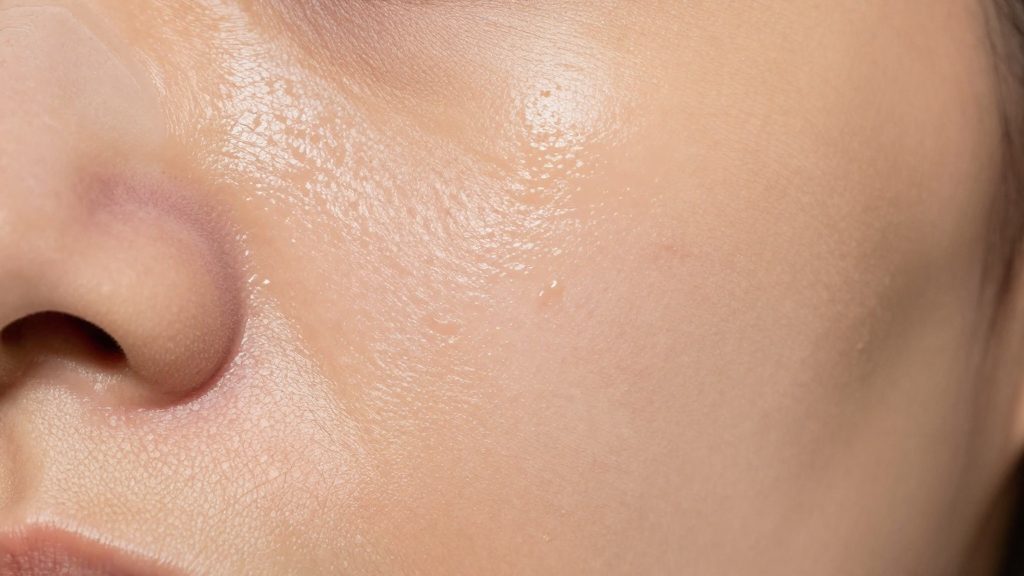
Which moisturizing ingredients are most effective in preventing flaking?
A combination of three types of ceramides (Ceramide AP, Ceramide NP, and Exopolysaccharide) shows the best performance in restoring the skin barrier. In an in-vitro skin model experiment, a cream containing this combination showed an 87% restoration rate of the skin barrier after 14 days, which is 3.2 times higher than single-ceramide products.
- Combination of three types of ceramides: +41% increase in skin moisture retention, 58% reduction in moisture loss.
- Hyaluronic acid (low molecular weight) is effective in maintaining surface skin moisture. However, there is a risk of irritation with long-term use, so using hyaluronic acid in combination with ceramides is the most ideal.
✅ Recommended combination: Three types of ceramides + low molecular weight hyaluronic acid + two types of phytosterols.
What are the criteria for choosing cosmetics to prevent skin flaking in daily life?
To prevent skin flaking, you must check the product's 'lipid composition ratio' and 'irritation test results'. According to a 2024 survey by the Korea Institute of Cosmetic Engineering, products with ceramide content of 2% or higher and a 'very low' rating in irritation tests had a 65% reduction in the incidence of flaking.
- Ingredient analysis criteria: Contains three types of ceramides + two or more types of phytosterols.
- Irritation test criteria: Both eye irritation and skin irritation tests must be 'very low' or 'low'.
- Product lookbook by skin type:
- - Dry and sensitive: Cream containing three types of ceramides + collagen peptides (maintains moisture for 72 hours or more).
- - Oily and combination: Toner containing hyaluronic acid (low molecular weight) + niacinamide (30% sebum control effect).
What is the first skincare step to take when skin flaking occurs?
You must immediately start a 'moisturizing + barrier repair' routine. When the skin is flaky, a barrier repair product must be used within 24 hours to minimize moisture loss. In experiments, using a moisturizer within 24 hours accelerated the recovery rate by 3.8 times, while using it after 48 hours delayed recovery by 52%.
- Step-by-step skincare routine:
- 1. Gently cleanse with a mild, foaming cleanser (recommended products with pH 5.



Comments 0