Master 3 Key Metrics to Find Your Perfect Holy Grail Makeup
Finding the perfect beauty product feels less like shopping and more like searching for a lost treasure. Through professional feature analysis and texture comparison, you can navigate the complex world of beauty to find your personal "Holy Grail."
* Understand the relationship between product texture, ingredient profiles, and skin compatibility. * Learn to distinguish between coverage levels, finishes (matte vs. glow), and longevity to match your personal lifestyle. * Master the ability to select products based on professional comparison metrics rather than marketing alone.
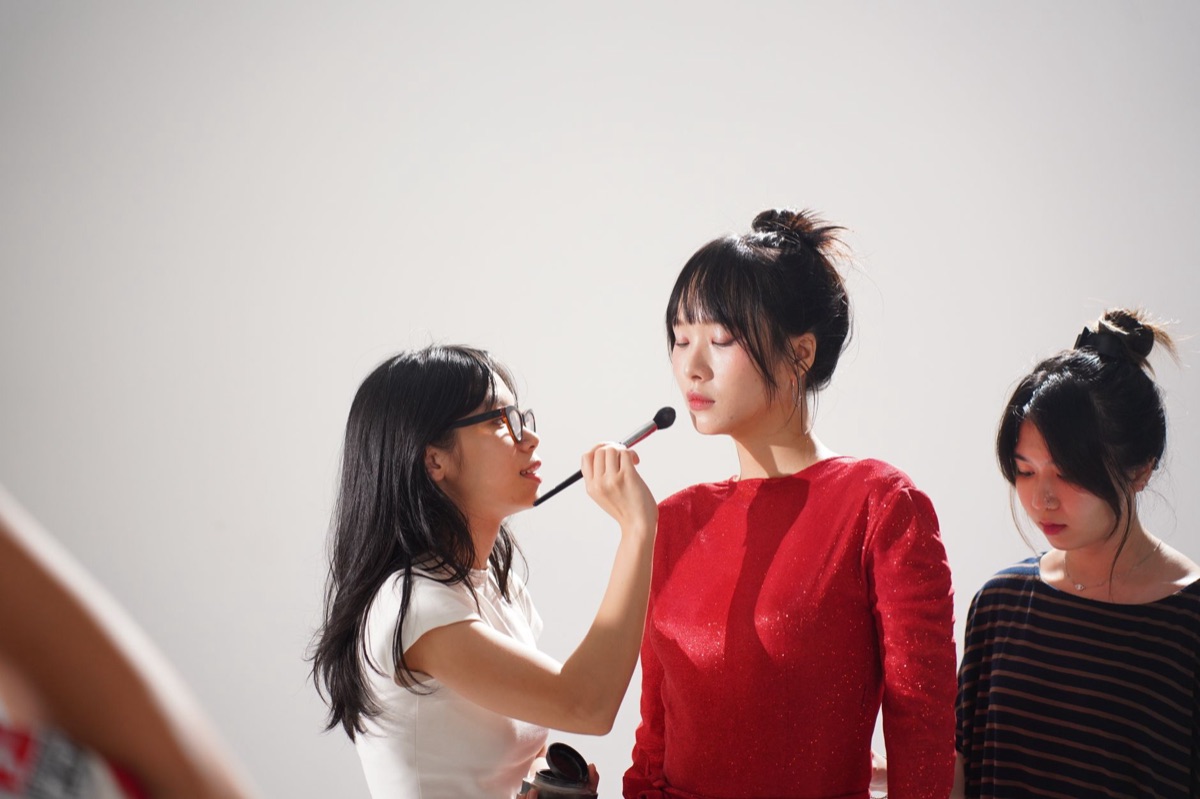
How can we define the perfect "Life-Changing" makeup item?
Walking through a crowded beauty hall in Manhattan, the sheer volume of bottles and palettes can feel overwhelming. You pick up a tester, swipe it on your hand, and for a second, it feels like magic—until you get home and realize the color is wrong or the texture feels heavy.
The concept of a "Holy Grail" item is the delicate balance between formula stability and personal skin harmony. It is the product that works with your biology rather than against it.
To find this, we must look at the three pillars of comparison: pigment density, texture/spreadability,s and longevity.
A professional selection process moves beyond the catchy names on the packaging. It requires looking at how much pigment is packed into the formula and how much "slip" the product has to allow for even distribution.
Because everyone's skin chemistry is unique, the "one size fits all" approach rarely works in professional makeup selection.
Furthermore, the role of ingredient synergy is vital. A great product doesn't just cover the skin; it maintains skin health while being worn. This means the ingredients should support your moisture barrier while providing the desired aesthetic.
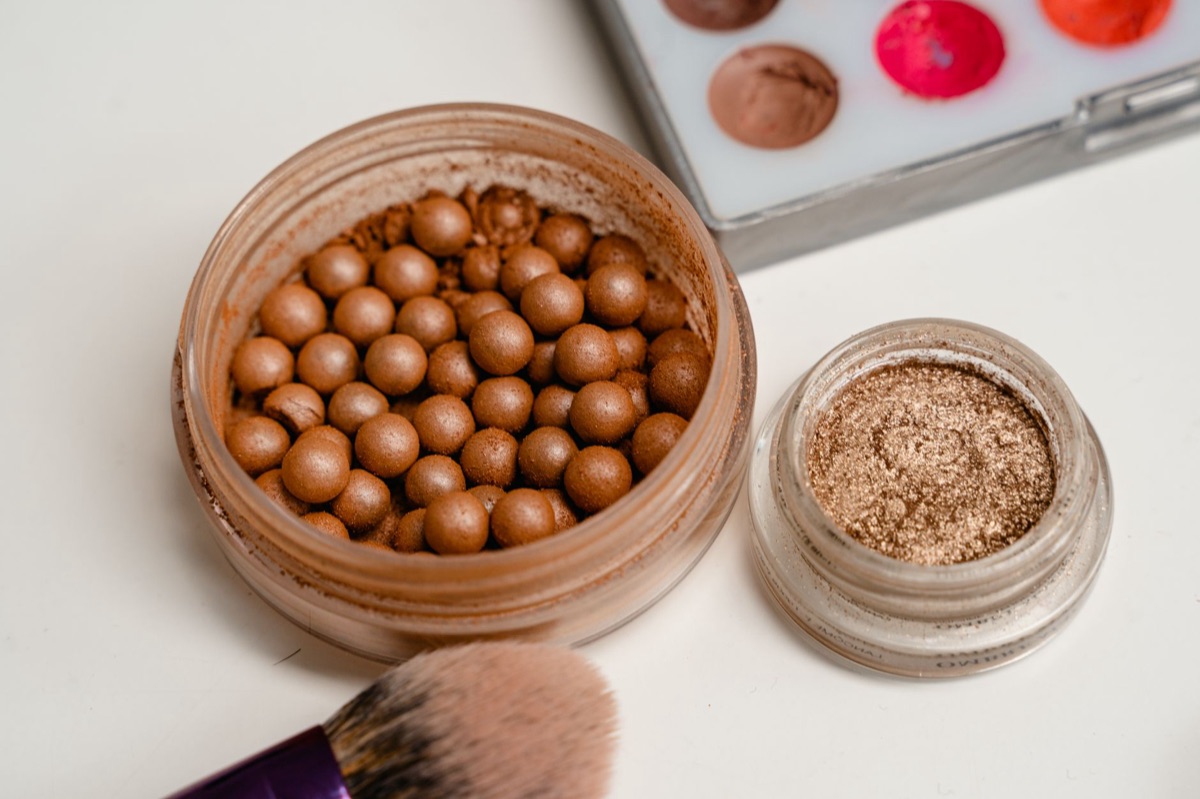
What are the key differences in base makeup textures and finishes?
Standing in front of a bathroom mirror at 7:00 AM, you realize the foundation you loved in the winter feels greasy in the summer heat. This sudden shift in performance is why understanding texture is the first step to mastery.
The primary comparison lies between liquid foundation, cushion compacts, and powders. Liquid foundations often offer the most versatile coverage, ranging from sheer to full.
Cushions provide a more buildable, "second-skin" feel with higher hydration, while powders are the masters of setting and mattifying.
The science of "Glow" versus "Matte" is essentially a study of light. Glow finishes use light-reflecting particles to mimic the appearance of hydrated, youthful skin. Matte finishes use oil-absorbing powders to create a velvety, blurred look.
Weight is the next variable. You can choose between sheer, breathable tints for a "no-makeup" look or high-pigment, full-coverage formulas for evening events. Matching your finish to your local climate is the secret to longevity.
In high-humidity environments, a matte or satin finish often stays stable longer than a heavy dew-finish.
| Feature | Liquid Foundation | Cushion Compact | Powder Foundation |
|---|---|---|---|
| Coverage | Variable (Sheer to Full) | Medium/Buildable | Light to Medium |
| Finish | Wide Range | Dewy/Glow | Matte/Velvet |
| Best For | Precision matching | On-the-go touch-ups | Oily skin/Setting |
| Application | Brush or Sponge | Built-in Puff | Brush or Sponge |
How do we analyze color payoff and blendability for eye and lip products?
In the soft, dim lighting of a theater, a lipstick that looked perfect in the store might suddenly look patchy or uneven. This is why analyzing pigment loading and blendability is essential for eye and lip products.
Pigment loading refers to how much color is delivered in a single application. Some high-pigment shadows allow you to achieve a deep look with a tiny amount of product, while others require multiple layers. This affects how much product you actually use and how much "weight" is on your lids or lips.
The transition from cream-to-powder is a common professional texture. Some cream blushes or lipsticks feel emollient at first but "set" into a powder-like finish upon contact with skin warmth. This transition is great for longevity but requires fast blending.
Layering capabilities are also critical. You must consider how a cream blush interacts when stacked under a powder blush. If the formulas are too "wet," they might slide around. Understanding "slip" (the ease of movement) and "grip" (how much the product stays put) ensures a seamless blend.
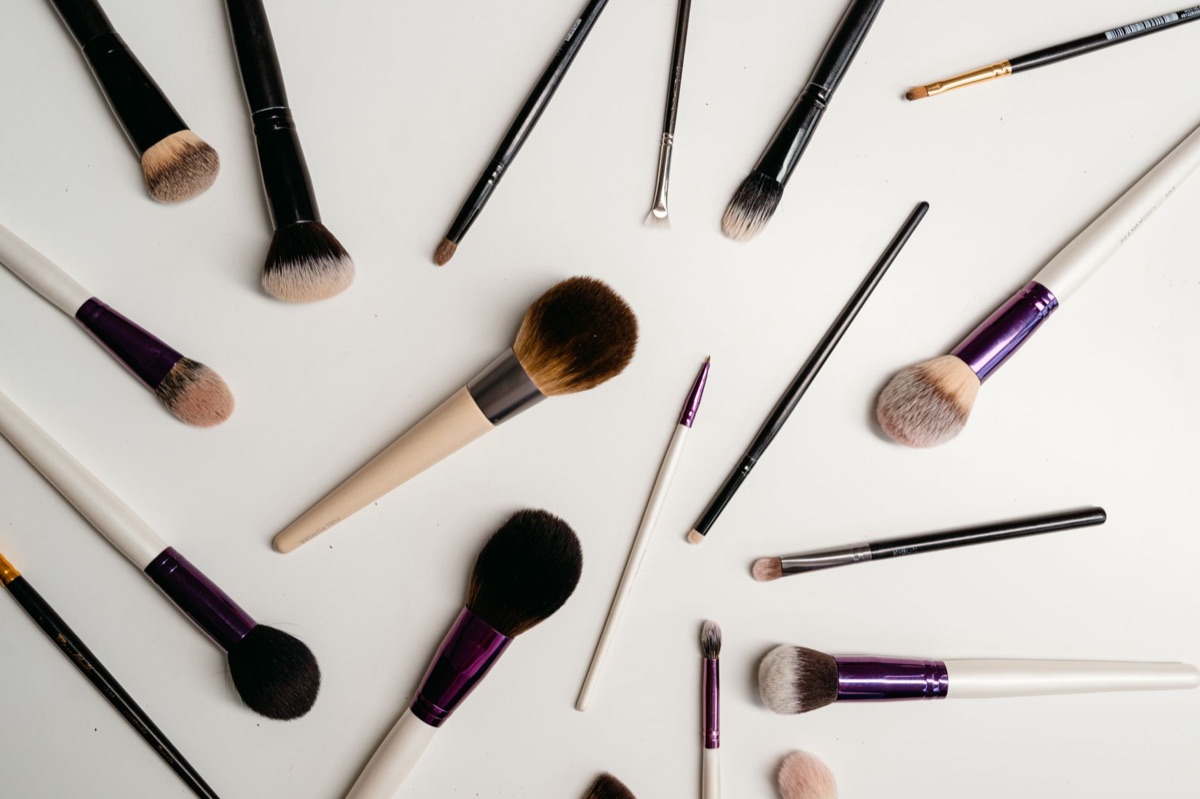
How can we choose the right products based on skin type and lifestyle?
On a humid afternoon in New Orleans, a heavy foundation might turn into a slippery mess within an hour. This reality forces us to categorize our needs based on our specific skin type and daily activities.
Oily Skin Guide For those with oily skin, the priority is oil control. Look for matte finishes and powder-based formulations. Ingredients that absorb excess sebum without drying out the skin are key to preventing that "shiny" look.
Dry Skin Guide For dry skin, the goal is hydration. Prioritize emollient-rich, hydrating, and dew-finish products. Ingredients like hyaluronic acid or glycerin in your base can prevent the makeup from clinging to dry patches.
Combination Skin Strategy The "Mapping" technique is the best approach for combination skin. This involves using mattifying products on the T-zone (forehead, nose, chin) and more hydrating, radiant products on the cheeks.
Active Lifestyle Selection If you lead an active lifestyle—whether that means hitting the gym or commuting through the city—look for high-performance, sweat-resistant, and transfer-proof formulas. These are often formulated with film-formers that lock the pigment in place.
What are the professional steps to testing and selecting new items?
Walking into a department store with a handful of testers, the temptation is to swipe everything and leave. However, a professional-grade evaluation requires a systematic approach to ensure the product works in the real world.
The first step is the "Swatch Test" Protocol. Always test colors under different lighting. A shade that looks perfect under the fluorescent lights of a pharmacy might look much darker under the natural sunlight of a park.
Next is the "Wear Test" Observation. This is the most important step. Monitor the product for 4 to 8 hours. This allows you to see if the color "oxidizes"—changing to an orange or darker tone—and how the texture settles into fine lines or pores.
Finally, assess texture sensitivity and the Layering Test. Check how the product feels after the initial application. Does it feel heavy after an hour?
When applying a new item, check for "pilling"—the tendency of products to clump into small rolls—to see how they interact with your current skincare routine.






Comments 0