Here are 4 things to check before focusing on "longevity"
A month ago, I started experiencing recurring red pimples and flaky skin. I tried switching skincare products and buying recommended items from beauty blogs, but it only seemed to increase irritation and make my skin feel tighter. Eventually, I even stopped using my usual moisturizing cream. When your skin needs to be "calm," we often focus on lasting hydration or moisturizing ingredients, but the root cause of breakouts is usually external irritation and internal imbalance. The key to solving the problem isn's "lasting hydration," but rather the balance between your skin barrier and the composition of the products you use.
1. Where do skincare products irritate your skin?
The most common cause of breakouts is incompatibility of ingredients. In particular, products containing alcohol-based fragrances, preservatives, and phenoxyethanol can irritate the skin, especially when your skin barrier is weakened. These ingredients are usually listed after "alcohol," "PEG-xx," or "purified water." When your skin is sensitive, it's best to switch to fragrance-free and alcohol-free products. In fact, dermatologists have reported that over 60% of "irritation reactions" in sensitive skin are caused by ingredient incompatibility, but specific statistics vary depending on your skin type and environment. Therefore, it's important to base your decisions on how your own skin reacts.
2. Is hydration or moisturization more important for your skin?
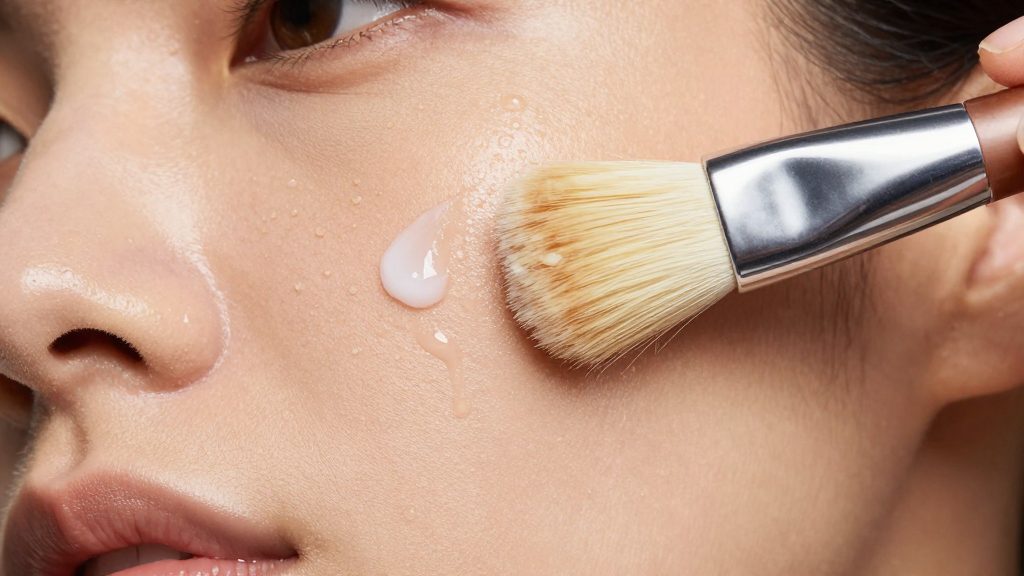
The answer to this question is "moisturization" rather than "hydration." Many people think that "using a moisturizer makes your skin feel hydrated," but the rate at which moisture evaporates from the surface of your skin is key. For example, if your skin feels tight after just an hour, even when it's not dry, it's likely that the product has low moisture retention properties. In this case, the combination of moisturizing ingredients like glycerin, hyaluronic acid, and ceramides is important. Products with a multi-layered moisturizing structure (e.g., providing external moisture + retaining internal moisture) are more likely to help your skin's balance in the long run. The reason why "hydration" often disappears quickly is because moisturizing ingredients evaporate, and this is especially true when your skin barrier is weak.
3. Can you ignore "ingredient interactions" when you have breakouts?
Absolutely not. In particular, products containing vitamin C derivatives and neotig collagen, or acetyl histidine and lactone laser ingredients together can cause subtle irritation to the skin. Combining ingredients "for a stronger effect" can weaken your skin barrier and reduce your skin's natural defense mechanisms. For example, if you already have irritated skin, using a product with more than 10% vitamin C can cause redness or itching. Therefore, it's safer to carefully check the ingredient list and introduce one product at a time.
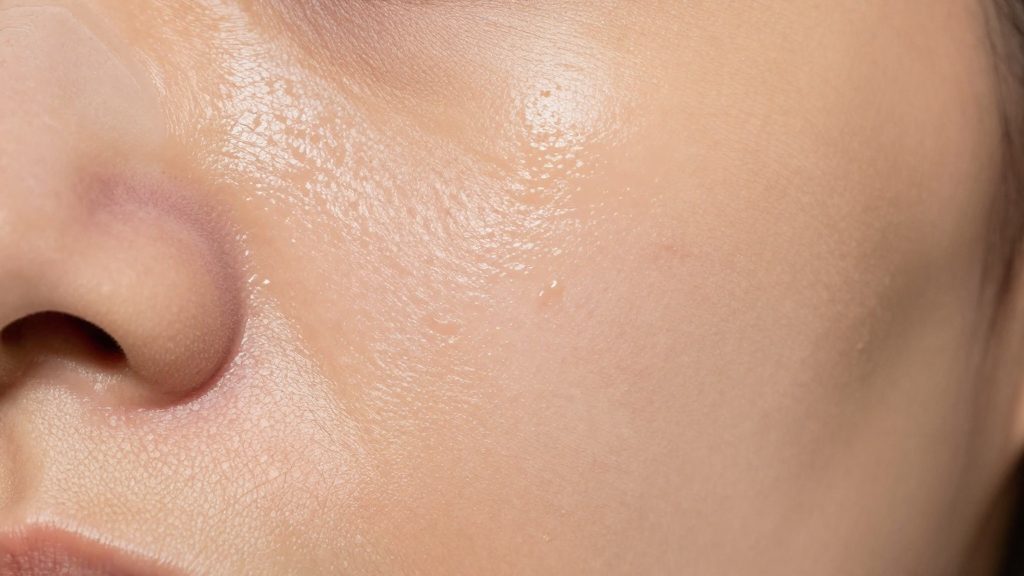
4. Why is "environmental control" more important than "ingredient protection" when your skin is irritated?
The idea that "you can only see results once your skin is calm" is not always true. If you ignore external irritants when your skin barrier is weak, it can take 3 to 6 months for your skin to recover. What's important is to reduce environmental irritants (e.g., air conditioning, external pollutants, UV radiation). In particular, when the humidity indoors is below 30%, your skin loses moisture rapidly, so it's recommended to maintain a humidity level of 40-60%. Placing a mini hygrometer on your desk or using a moisturizing double cream (e.g., a product that combines a moisturizer with a sealing film) to prevent moisture from evaporating from the surface of your skin is key.
---
When your skin is struggling with breakouts, we often focus on "visible moisture" or "effective ingredients," but the first step to calming your skin is to "remove the source of irritation" and "create a stable environment." Instead of just changing ingredients, it's more realistic and sustainable to track your skin's reactions and eliminate potential irritants one by one. When your skin is irritated, prioritize a "less irritating formula" rather than a "stronger cream."

Comments 0