Pigment Concentration Best foundation base guide Tips
"The finish of a foundation determines how light interacts with the skin and how long the coverage remains stable throughout the day."
Choosing the right base requires understanding pigment concentrations and formula types to match your skin's specific needs. This guide explores pigment levels, mineral compositions, and historical technology to help you select the perfect coverage.
You will learn about pigment percentages, the reality of mineral makeup, and how to distinguish between sheer and professional-grade formulas.
What defines the pigment in a Best foundation base guide?

A hand sweeps a creamy texture across a testing palette to reveal the depth of color. Understanding the concentration of color is the first step in mastering coverage.
In general, a foundation contains up to 35% pigment. For those requiring much heavier coverage, professional brands designed for use on stage can contain up to 50% pigment. This variation allows users to choose between natural skin-like finishes and high-impact theatrical looks.
The thickness of the coverage depends heavily on these percentages. While a standard base provides a balanced look, professional-grade products offer much higher density for performance environments.
Pigment concentration determines how much product you need to achieve your desired shade and depth. High-pigment formulas offer intense color payoff with minimal product, while sheerer versions allow your natural skin tone to peek through.
How does coverage vary in a Long lasting base review?
In the dim morning light, she brushes a heavy layer onto her face and feels the weight of the dense pigment.
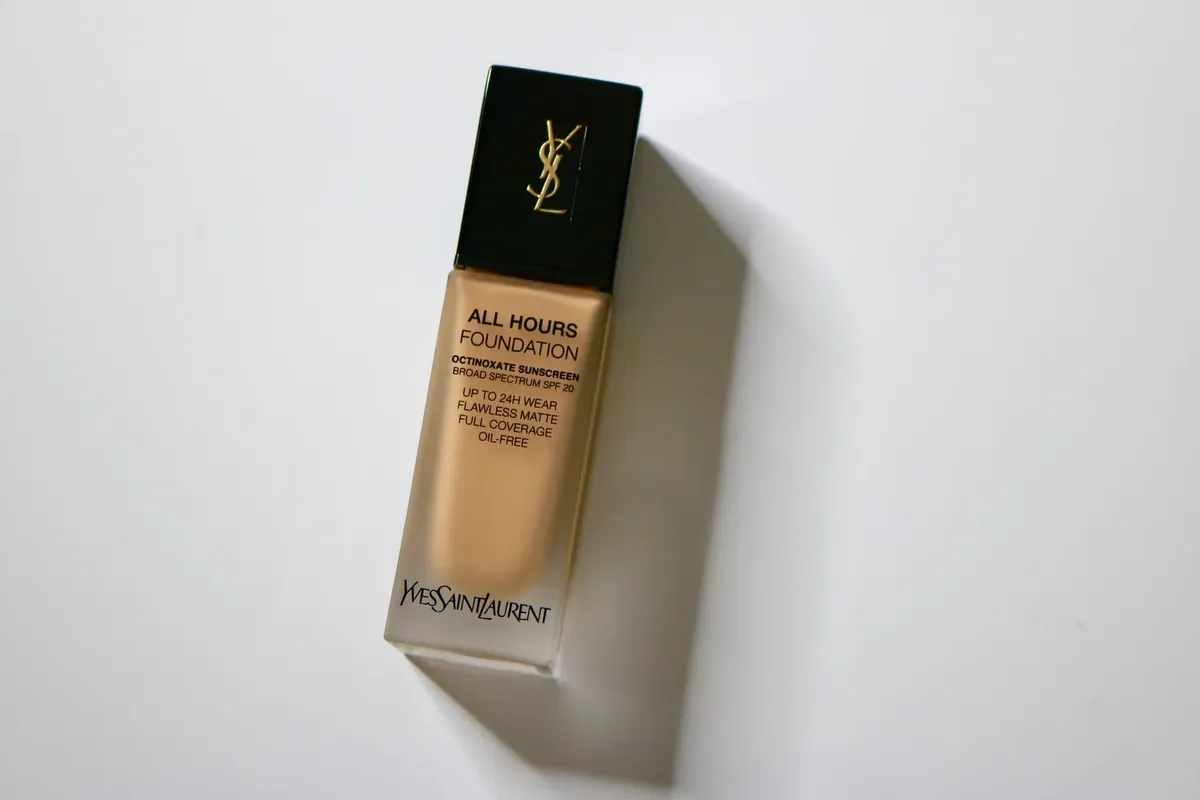
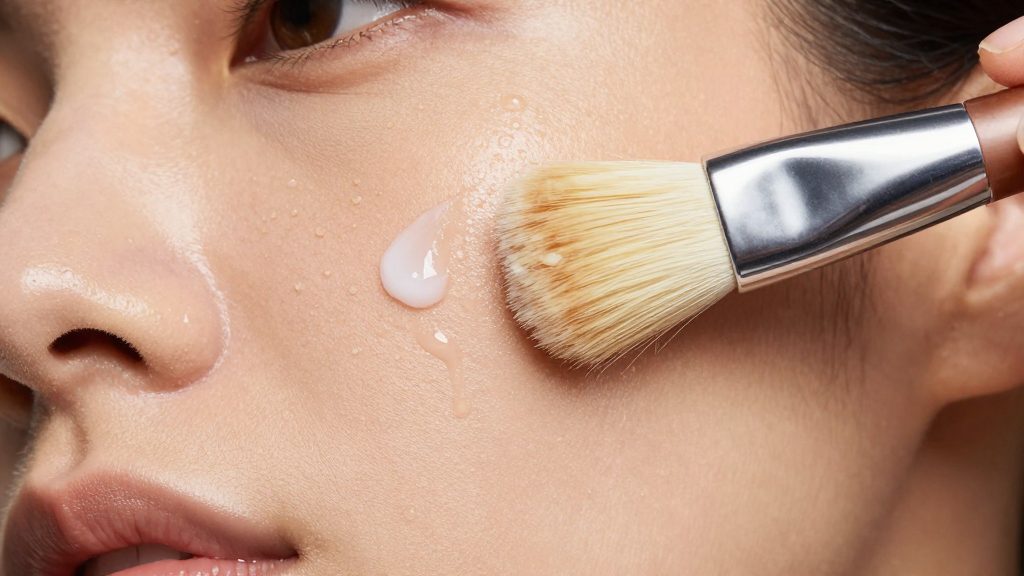
A brush dips into a liquid pool, spreading a thin layer over a smooth surface. The history of formula evolution shows how coverage has changed over time.
Although pigment technology has evolved dramatically since 2004, the traditional protocol for sheer foundations called for the pigment to comprise 8–13% of the finished formula. This lighter concentration was designed to mimic the natural skin texture while providing a subtle tint.
Modern users often look for specific levels of opacity. By understanding these traditional ranges, you can better navigate contemporary products that still follow similar layering principles.
Coverage levels range from sheer to full, often affecting how long the product stays on the skin. Long-wear formulas typically use higher pigment loads and setting agents to ensure the coverage remains consistent throughout the day.
What should I know about Skin type makeup tips regarding minerals?
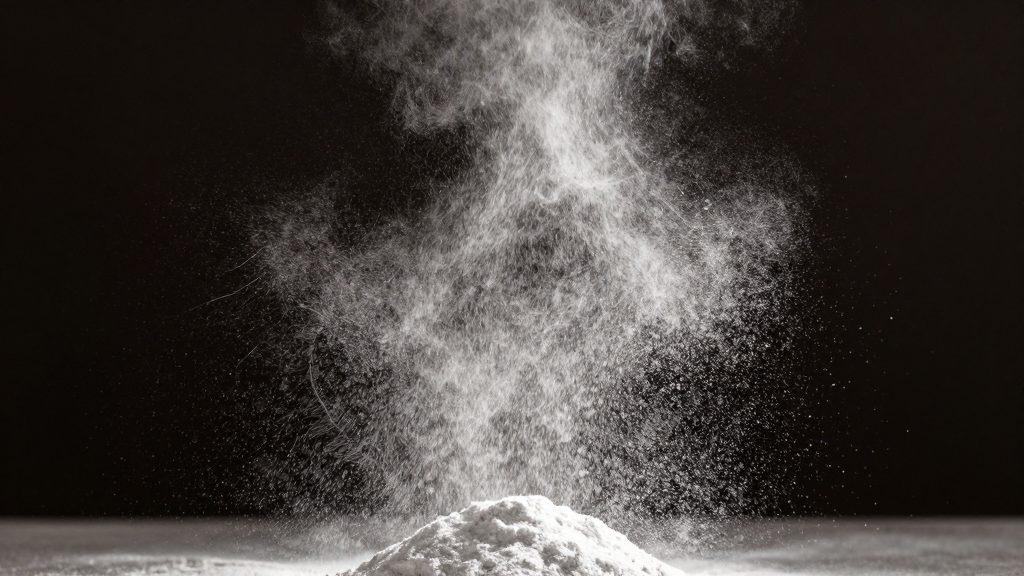
A fine powder falls from a brush, creating a soft cloud of texture. Some users prefer natural ingredients, but the term "mineral" can be misleading.

A "mineral make-up" may be all mineral, part mineral – or contain less than 1% mineral as part of the finished formula. This means that even products labeled as mineral might contain significant amounts of other ingredients to maintain texture and stability.
Always check the ingredient list if you have specific sensitivities. The labeling can vary significantly between different manufacturers and product lines.
Mineral makeup interacts uniquely with different skin textures. For oily skin, minerals can help absorb excess sebum, while those with dry skin may need to layer a hydrating primer underneath to prevent the minerals from clinging to dry patches.
How do I balance Matte vs dewy base requirements?
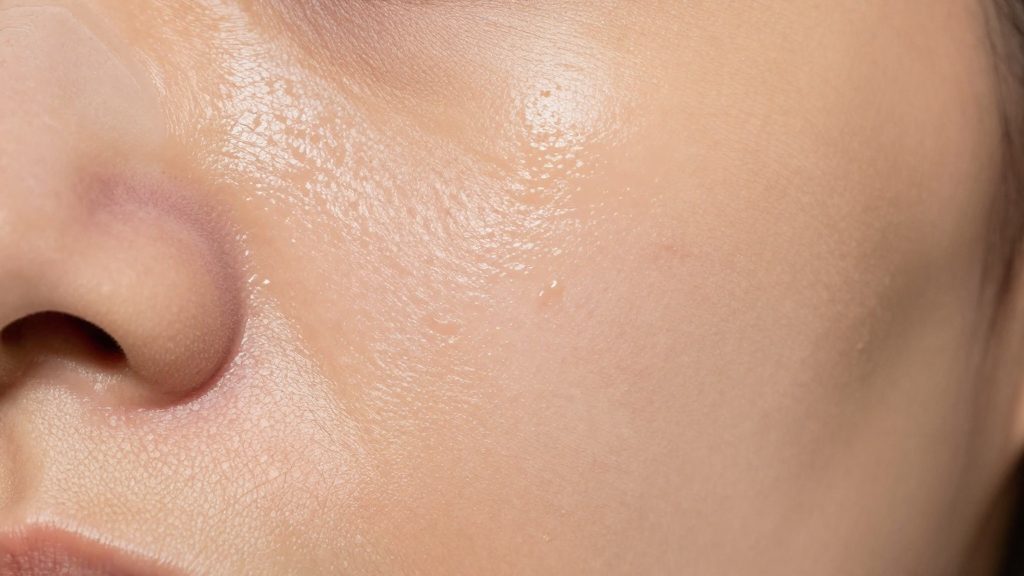
A fingertip blends a dense cream into the skin to achieve a seamless finish. The technology used in different eras has shaped how we apply these products today.
By 1996, WonderWear foundation and Revlon Colorstay had been launched, using the same technology as the lipsticks. This era of product development focused on long-wear capabilities and specific finish styles that remain influential in modern cosmetics.
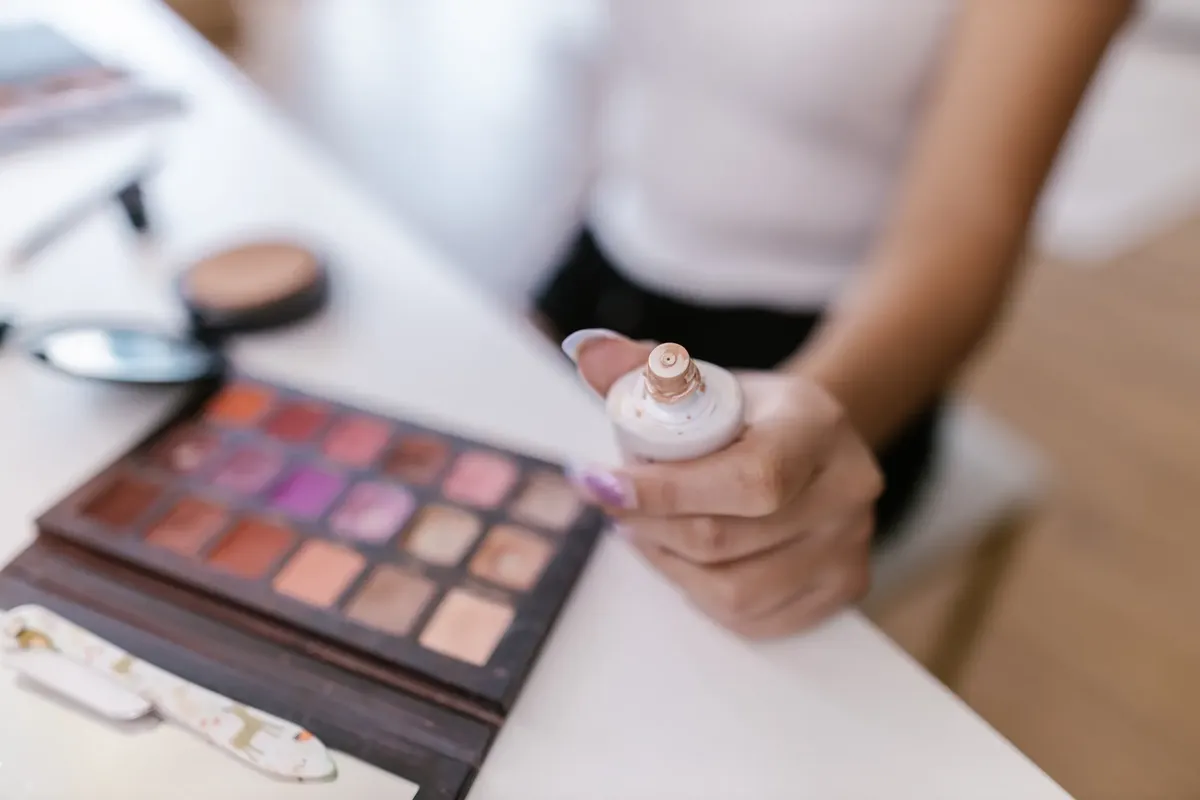
Choosing between a matte or dewy finish often involves looking at these foundational technologies. Some products prioritize staying power, while others focus on the immediate sensory experience of the application.
Achieving a balanced look often requires mixing textures. You can apply a matte foundation to the T-zone to control shine and use a dewy highlighter or liquid luminizer on the cheekbones for a natural glow.
How do I achieve a Perfect base for you?
A mirror reflects a face with even, balanced skin tone. Selecting the right product is a three-step process involving texture, pigment, and purpose.
- Identify your required opacity level, ranging from sheer (8–13% pigment) to professional-grade (up to 50% pigment). 2. Evaluate the ingredient composition, especially if you are specifically seeking "mineral" products. 3. Match the technological era of the product to your lifestyle, such as choosing long-wear formulas inspired by classic 1990s technology.
I found that checking the pigment percentage helped me decide between a daily tint and a heavy-duty coverage.

Always perform a final check by applying the product to a small area of the jawline to see how the pigment interacts with your natural skin tone. If a product is intended for stage use, it may appear much heavier on daily wear than a standard formula.
- Prepare your skin with appropriate hydration based on your skin type.
- Apply the foundation using tools like brushes or sponges to ensure even distribution.
- Set the base with powder or setting spray to lock the finish in place.
The subject here is Best foundation base guide.
This part also covers Foundation base comparison.
This part also covers Choosing right skin makeup.
This part also covers High coverage base guide.
Foundation base comparison
Related


Comments 0