Skincare Guide: How to Build a Simple Foundation
This article is about Foundation. "The best way to care for your skin is not through a thousand different bottles, but through the consistency of a few perfect ones."
A solid skincare foundation is the difference between a makeup look that lasts all day and one that cracks by noon. By focusing on cleansing, hydrating, and protecting, you create a smooth canvas that makes every other product perform better.
* Prioritize a clean, balanced base over heavy coverage. * Hydration is the key to preventing makeup from settling into fine lines. * Sun protection is the ultimate preventative step for skin texture. * A simple three-step core is more effective than a complex, multi-step routine.
Why does a simple routine work better?
Sitting at a vanity at 7:00 AM, looking at a mountain of serums and creams, it is easy to feel overwhelmed. You might wonder if more products actually lead to better results or just more irritation.
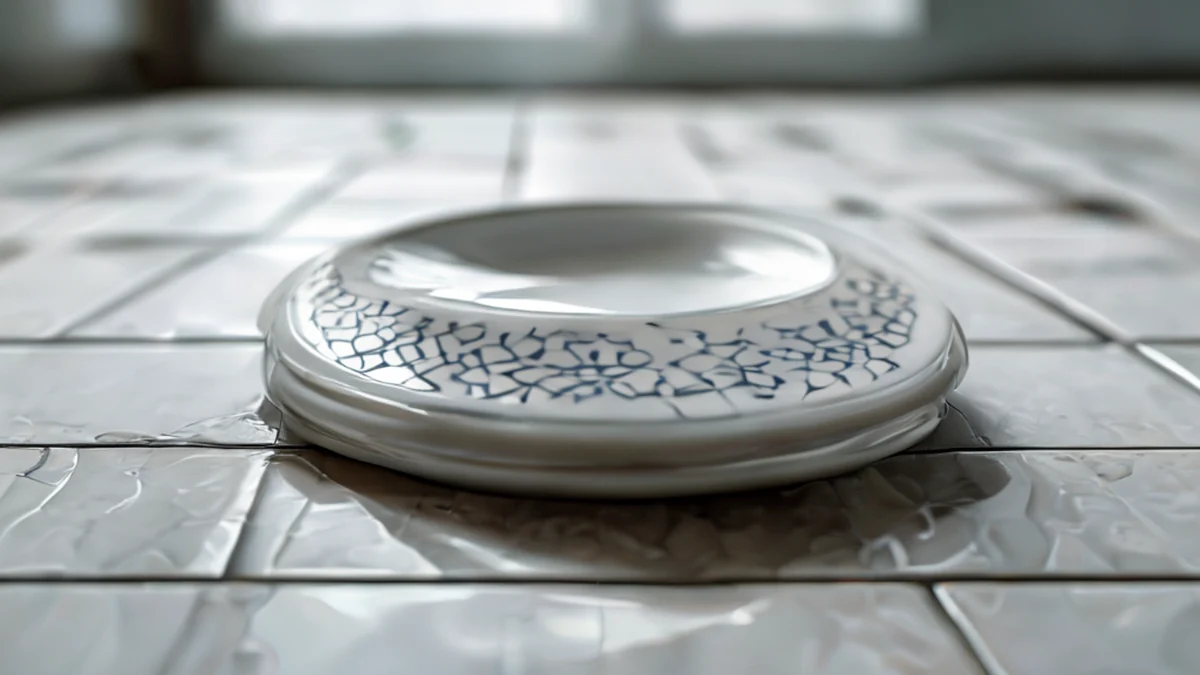
A streamlined routine focuses on the three pillars of skin health: cleansing, moisturizing, and sun protection. When you use fewer products, you reduce the risk of ingredient conflicts and skin sensitivity.
This approach ensures that each layer absorbs properly rather than sitting on top of a congested surface.
A healthy complexion requires a balanced pH and a strong moisture barrier. Overloading the skin with too many active ingredients can lead to redness or breakouts, which makes makeup application much harder.
By sticking to the basics, you allow your skin to breathe while maintaining its natural resilience.
If you find yourself layering too many heavy creams, your skin might feel greasy or look shiny under foundation.
In this sequence, the first step is the most important.
Which cleanser is right for my skin texture? The morning sun hits the bathroom mirror, reflecting off a glass bottle of foaming cleanser. You touch your face, feeling the residue of last night's heavy moisturizer.
Choosing a cleanser depends entirely on your specific skin type and the texture of the product. If you have oily skin, a foaming or gel-based cleanser can effectively remove excess sebum without stripping the skin entirely.
For those with dry or sensitive skin, a cream or oil-based cleanser provides a gentle wash that leaves a soft, supple feeling.
The goal of cleansing is to remove impurities, sweat, and environmental pollutants without disrupting the natural lipid barrier. A cleanser that is too harsh will cause the skin to overproduce oil to compensate for dryness.
Conversely, a cleanser that is too oily might leave a film that prevents subsequent products from absorbing.
- Identify your skin type: oily, dry, combination, or sensitive. 2. Select a texture: gel for oily, cream for dry, or oil for heavy makeup removal. 3. Apply with lukewarm water to avoid sudden temperature shocks to the skin.
I remember trying a heavy, wax-based cleanser once, only to find that my foundation slid right off my face ten minutes later.
- Identify your skin type.
- Select a pH-balanced cleanser.
- Rinse thoroughly with lukewarm water.
Foundation — How to hydrate for a smooth canvas The cool sensation of a lightweight moisturizer hits your skin, instantly soothing the tightness of a dry morning. You smooth the cream in upward motions, watching the light catch the dewiness on your cheekbones.
Hydration is about replenishing the water content in your skin cells to create a plump, smooth surface. A moisturizer acts as an occlusive layer, trapping moisture inside and preventing transepidermal water loss.
For oily skin, a water-based gel moisturizer is often ideal because it provides hydration without a heavy, greasy feel. For dry skin, a richer cream containing ceramides or fatty acids can help rebuild the skin barrier.
Applying moisturizer to slightly damp skin is a professional secret for better absorption. This technique helps the product lock in the surface moisture, leading to a more hydrated look. When the skin is properly hydrated, makeup glides on smoothly instead of clinging to dry patches.
| Skin Type | Recommended Texture | Primary Benefit |
|---|---|---|
| Oily / Combination | Lightweight Gel | Non-greasy hydration |
| Dry / Dehydrated | Rich Cream | Deep moisture retention |
| Sensitive | Fragrance-free Lotion | Soothing and barrier support |
This simple layering process ensures that your skin remains soft throughout the day.
In this sequence, the second step is the longest.
How can I protect my skin from the environment? You step outside into the bright midday sun, feeling the warmth on your face as you apply a layer of SPF. The invisible shield feels weightless, yet you know it is working to keep your complexion even.
Sun protection is the most critical step in any skincare or makeup routine. UV rays can cause pigmentation, texture changes, and premature aging, which can undermine even the most expensive makeup.
A broad-spectrum SPF protects against both UVA and UVB rays, making it essential for daily use regardless of the weather.
Even when staying indoors, much of the sun's rays can penetrate through windows. Applying a daily SPF ensures that your skin remains even-toned and resilient against environmental stressors. Many modern sunscreens are formulated with elegant textures that act as a perfect primer for makeup.
A tip for application is to use enough product to reach the labeled SPF rating, typically about a nickel-sized amount for the face.
In this sequence, the first step is the most important.
The non-negotiable core of every routine
The ritual of getting ready becomes a moment of peace when you follow a consistent, logical order. You look in the mirror, seeing a clear, healthy glow that requires very little correction.
The three steps—cleansing, hydrating, and protecting—form the non-negotiable core of skincare. Regardless of the brand or the price point, these three functions must be addressed to maintain skin health.
This core routine provides a stable environment that allows any additional treatments to work more effectively.
Without a clean base, products will not absorb. Without hydration, the skin will look dull and textured. Without protection, the progress made through other steps can be undone by sun damage. By mastering these three, you have mastered the foundation of beauty.
This sequence works for almost everyone, regardless of age or gender.
In this sequence, the second step is the longest.
What about adding makeup and color?
You pick up a concealer wand, gently tapping the pigment onto a small area of skin to even out the tone. The product blends seamlessly into your hydrated base, looking like real skin rather than a mask.
Once the skin is healthy and prepared, you can begin to build a look using color cosmetics. A well-prepared base makes much easier to use high-coverage products like concealer or heavy foundations.
When the skin is hydrated and smooth, you can use much less product to achieve a natural, "no-makeup" look.
The transition from skincare to makeup should be seamless. If your moisturizer is too heavy, your concealer might slide; if it is too light, your skin might look cakey. Finding the balance between these layers is the key to professional-looking results at home.
* Use a concealer to target specific areas like under-eyes or blemishes. * Apply cream-based blushes for a natural, dewy finish on hydrated skin. * Set only the necessary areas with a translucent powder to maintain glow.
I once learned that applying foundation over an unabsorbed moisturizer was the main reason my makeup looked patchy.
In this sequence, the first step is the most important.
Tips for different skin types
The soft light of the afternoon fills the room as you decide which products to reach for based on how your skin feels today. You adjust your routine, knowing that skin can change with the seasons or your lifestyle.
Because skin can be unpredictable, it is helpful to have a guide for different needs. If your skin is oily, you might lean more heavily on the cleanser and lightweight gel. If it is dry, the rich moisturizer becomes your most important tool.
One limitation of this approach is that it does not replace specialized dermatological treatments for specific medical skin conditions. However, for general maintenance and beauty, it provides a reliable framework.
| Goal | Strategy |
|---|---|
| Prevent Shine | Use oil-free, water-based gels |
| Combat Dryness | Use ceramide-rich creams |
| Smooth Texture | Focus on even hydration |
Adjusting your product texture is the easiest way to manage your complexion.
When I tried the steps in order, the second one is where I paused longest.
Related


Comments 0