Skin Type Guide: How to Match Beauty Products to Your Needs
This article is about Products. "A great review is not just a collection of adjectives; it is a blueprint for how a product interacts with real life."
A high-quality product review serves as a bridge between a brand's promise and a consumer's reality, focusing on tangible benefits like hydration levels, scent longevity, or texture stability.
To write a review that actually helps someone, you must move beyond vague praise and provide specific, sensory-driven details that illustrate how the product behaves in different environments.
* Focus on sensory details: texture, scent profile, and absorption speed. * Highlight longevity: how the product performs after four to eight hours. * Discuss application: how it layers with other products. * Address skin type compatibility: how it reacts to oily, dry, or sensitive skin.

How can you describe texture without being vague?
I sat at my vanity at 7:00 AM, squeezing a tiny pearl of serum onto my fingertip to see how it moved. The clear liquid felt cool, spreading instantly without that heavy, tacky feeling that usually ruins a morning routine.
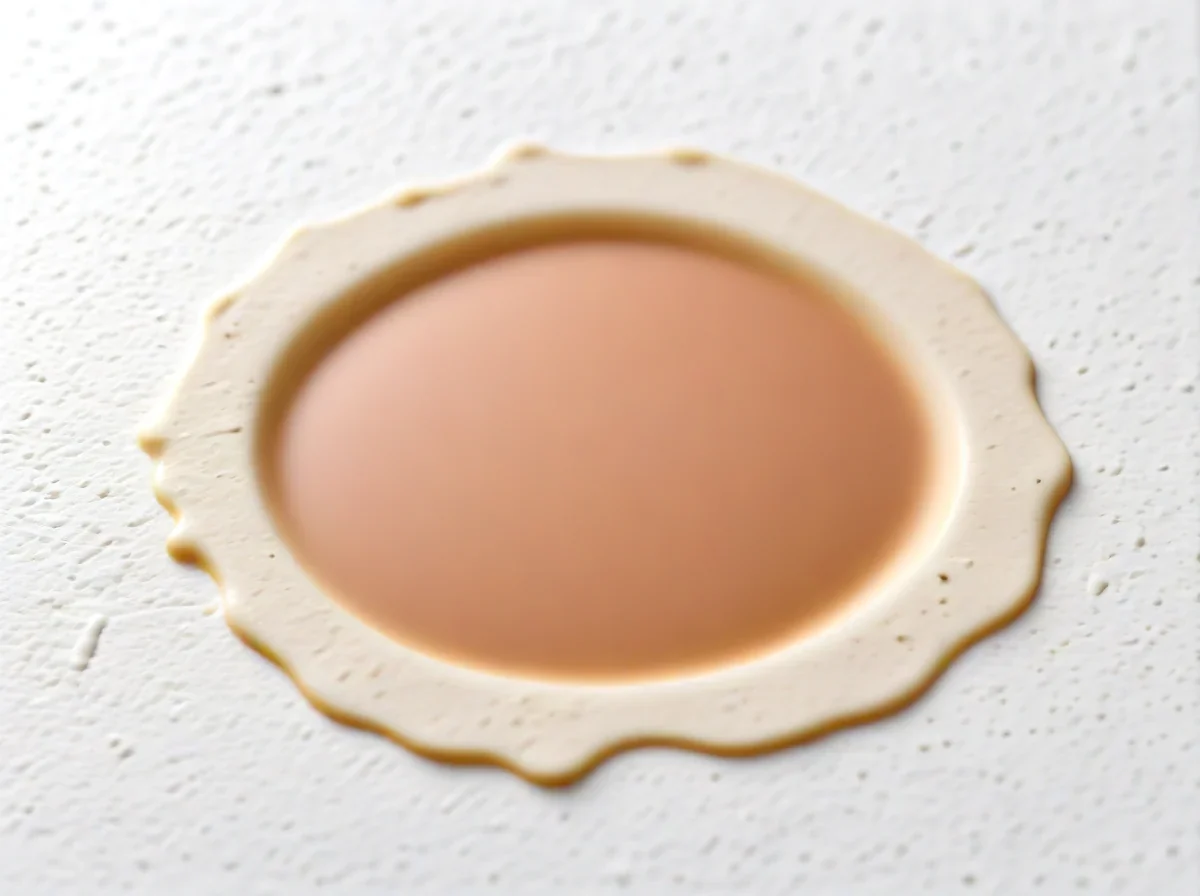
A meaningful review focuses on the physical sensation of the product to help the reader visualize the application. Instead of saying a cream is "nice," describe if it is a heavy, occlusive balm that sits on top of the skin or a lightweight, water-burst emulsion that sinks in immediately.
For example, noting that a moisturizer has a "velvety, matte finish" tells the reader much more about its potential use under makeup than simply calling it "smooth."
When assessing texture, consider these three specific categories: 1. Viscosity: Is it a thin, runny liquid or a thick, dense paste? 2. Absorption Rate: Does it disappear into the skin in seconds, or does it require massaging to settle? 3.
Finish: Does it leave a dewy, luminous glow or a powdery, dry touch?
Why does scent longevity matter in a review?
The sun moved across my desk, and three hours later, I leaned in to catch one last whiff of the perfume I had applied. The initial bright citrus notes had faded, leaving behind a much warmer, woody undertone that lingered softly on my wrist.
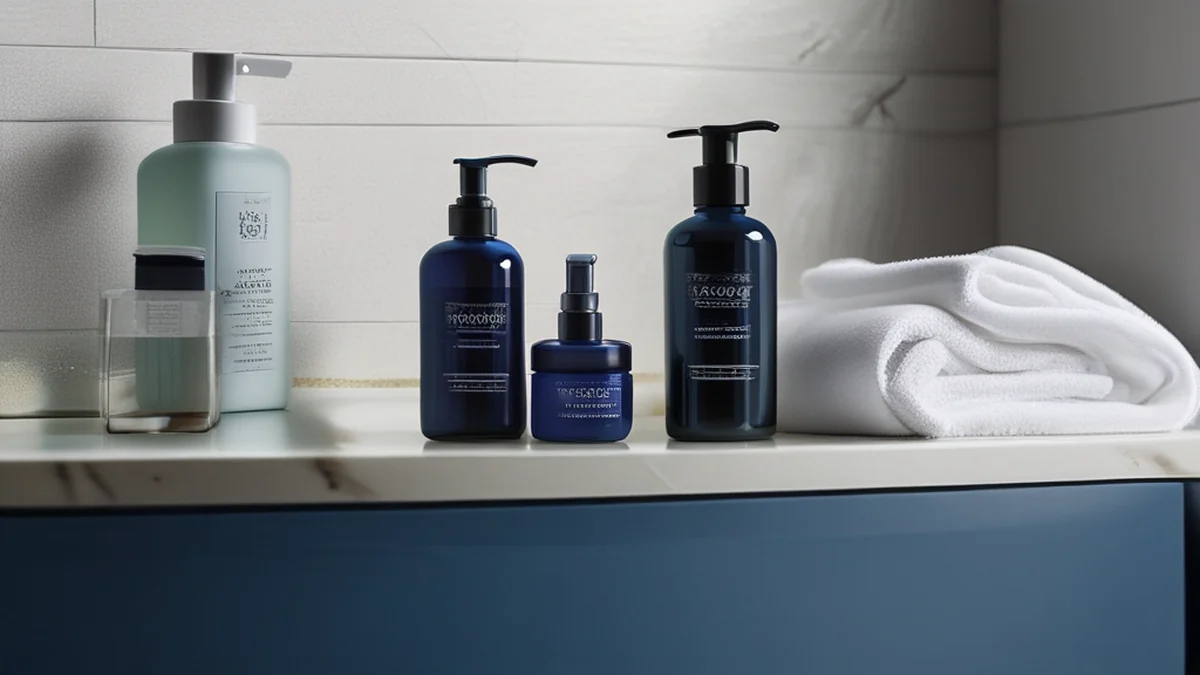
Scent is one of the most subjective elements of beauty products, making it vital to describe the "evolution" of a fragrance. A professional-grade review tracks the transition from top notes (the first impression) to heart notes (the core character) and finally to base notes (the lasting scent).
If a perfume is described as "fleeting," a reader knows they might need to reapply it mid-day, whereas a "long-lasting" description suggests it can survive a full work shift.
| Feature | Description for Fragrance | Description for Skincare |
|---|---|---|
| Initial Impact | Sharp, bright, or heavy | Cooling, warming, or tingling |
| Mid-use Change | Becomes more floral or musky | Becomes more absorbent or tacky |
| Final Result | Lingering base notes | Hydrated or matte finish |
How do you evaluate performance over time?
I looked in the mirror at 6:00 PM, checking my foundation after a full day of meetings and coffee runs. The coverage hadn't cracked in the smile lines, but the coverage in the T-zone had softened slightly, showing exactly where the formula held up best.
The most valuable reviews test the "staying power" of a product throughout a standard daily cycle. This means observing how a foundation handles natural oil production over eight hours or how a night cream looks upon waking up.
A review that mentions how a product performs after a full day of wear provides a level of honesty that a "first impression" review simply cannot match.
To provide a complete performance profile, follow these steps: 1. The Morning Test: Apply the product and note the immediate finish and how it interacts with SPF or primer. 2.sThe Mid-day Check: Observe the product after four to six hours to see if it oxidizes, creases, or fades. 3.
The Evening Assessment: Evaluate how the product feels after removal and if there is any lingering residue or redness.
What is the difference between a recommendation and a guide?
I stood in the aisle of a crowded department store, looking at a shelf of competing serums and wondering which one would actually work for my friend's oily skin.
I realized then that telling her "this is good" wouldn't help her nearly as much as explaining that "this is a non-comedogenic, oil-control gel."
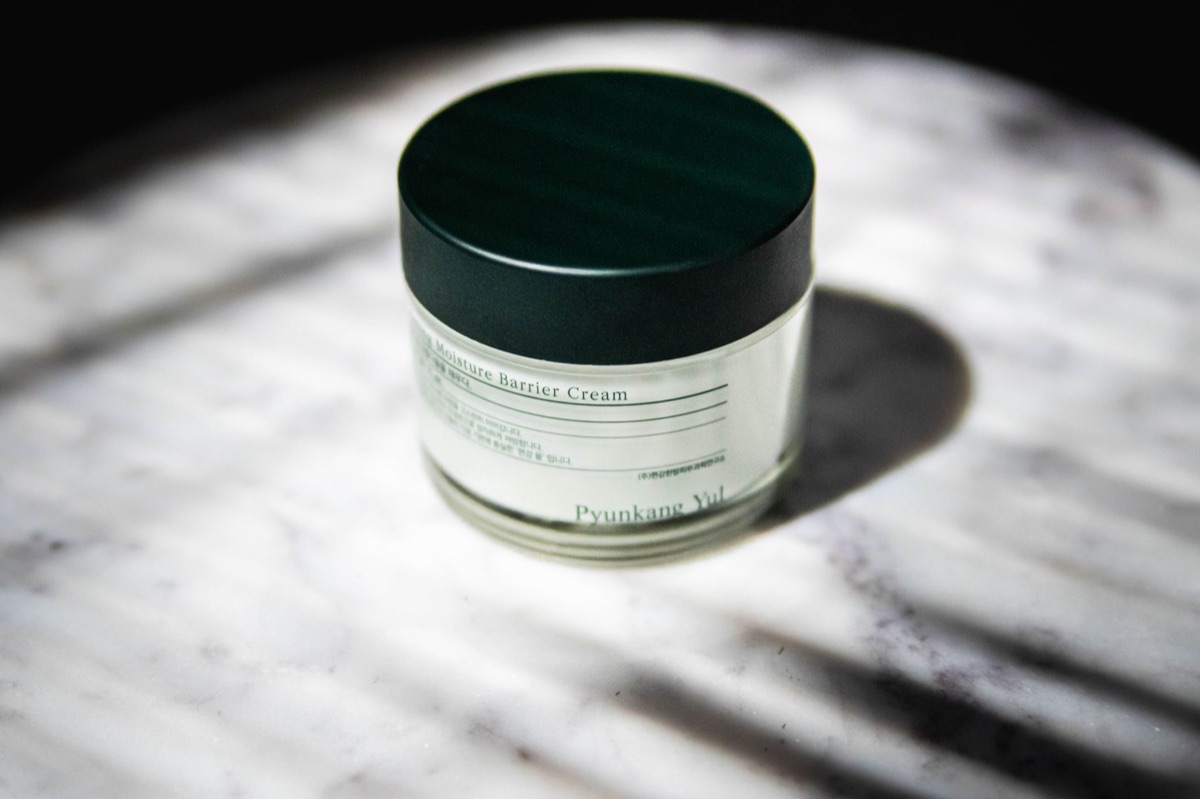
A recommendation is a simple endorsement, while a guide is an educational tool that explains the *why* behind the choice. A guide considers the chemistry of the product—such as the presence of hyaluronic acid for moisture or salicylic acid for exfoliation—and matches it to specific user needs.
This distinction helps readers understand if a product is a "holy grail" for everyone or a specialized tool for a specific skin type.
When writing a guide-style review, keep these distinctions in mind: * Target Audience: Clearly state if the product is best for mature skin, oily complexions, or sensitive types. * Ingredient Focus: Mention key components like Vitamin C or Retinol and how they affect the user experience.
* Usage Context: Explain if a product is a daily essential or a once-a-week intensive treatment.

How do you handle different skin types?
I rubbed a small amount of a heavy night cream on the back of my hand, noting the immediate sheen compared to the matte finish on my other hand. It was a clear visual of how much moisture was being deposited into the skin surface.
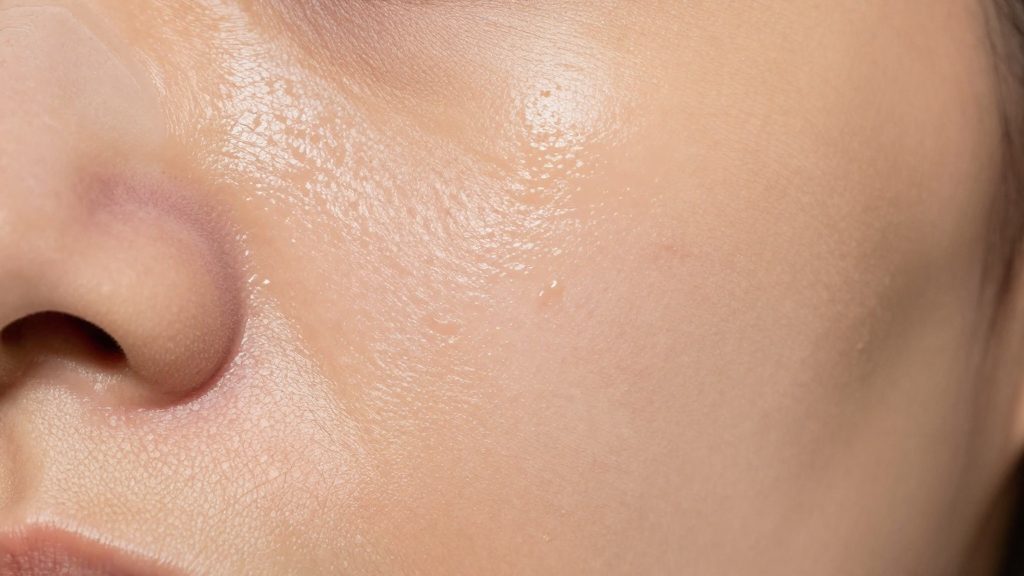
A great review acknowledges that no single product works for everyone, as skin chemistry varies wildly between individuals. A product that feels luxurious on dry skin might feel suffocatingly heavy on oily skin, and a fragrance that smells clean on one person might smell cloying on another.
Providing context for different skin types prevents readers from making purchases that might not suit their unique biology.
| Skin Type | What to Look For in a Review |
|---|---|
| Oily | Non-greasy, matte finish, lightweight textures |
| Dry | Rich emollients, deep hydration, occlusive layers |
| Sensitive | Fragrance-free, soothing ingredients, minimal irritation |
| Combination | Balanced moisture, targeted application tips |
When should you consider a product's limitations?
The light from the window hit the bottle, revealing a slight change in the color of the cream compared to the first time I opened it. I realized that certain ingredients are sensitive to light and air, which is a crucial detail for anyone looking to invest in premium skincare.
It is important to note that every product has a specific environment where it performs best or a specific way it must be stored. Some high-potency serums may oxidize quickly, while some heavy creams may be too thick for humid summer months.
Mentioning these nuances is not a negative critique; it is an essential part of providing an honest, professional assessment of a product's lifecycle.
A well-rounded review should account for these factors: * Storage Requirements: Does it need a cool, dark place to maintain stability? * Seasonal Suitacy: Is it a heavy winter cream or a light summer moisturizer?
* Complexity of Use: Does it require a specific ritual or a secondary product to work effectively?
According to Federal Trade Commission, the item is on record.
When I tried the steps in order, the second one is where I paused longest.
However, this does not apply in every situation.
A helpful review focuses on sensory details like texture and scent, describes how the product performs over several hours, and provides context regarding different skin types.
By moving away from vague praise and toward specific observations about absorption and longevity, you provide a practical blueprint for the reader.
Related



Comments 0