Niche Perfume Guide: Why Interest Surged by 28% Recently
Finding your signature scent is more than a beauty routine; it’s about crafting a silent introduction that lingers long after you've left the room.
Niche perfumery has exploded in popularity as consumers move away from mass-market scents toward unique, high-quality fragrances. By focusing on rare ingredients and artistic storytelling, these brands allow you to express your identity through scent rather than just following a trend.
* Market Surge: Search interest for "niche perfume" has increased significantly as of mid-2026. * Artistic Value: Leading brands like Diptyque and Byredo prioritize complex olfactory narratives over simple, pleasant smells. * Customization: Modern enthusiasts are using layering techniques to create one-of-a-kind scents tailored to their skin chemistry.

Why is Everyone Obsessed with Niche Fragrances Right Now?
Just a few years ago, the market was dominated by celebrity endorsements and "mall scents." However, as we move through 2026, there is a palpable sense of fatigue regarding smelling like everyone else in the office or at a crowded brunch.
Today, fragrance is viewed as an invisible accessory—a way to signal taste, philosophy, and personality. This shift is driven largely by Gen Z and Alpha consumers who prioritize "experience" over brand name recognition alone.
According to Euromonitor International's 2025 Global Beauty Report, the luxury fragrance segment saw a 14% increase in consumer spending specifically toward artisanal brands. People aren't just buying a smell; they are investing in craftsmanship.
Furthermore, according to McKinsey & Company's 2026 Consumer Sentiment Analysis, "uniqueness" has become a top-three purchasing driver for luxury goods this year. This explains why niche houses are capturing market share at double-digit growth rates.

Top-Tier Niche Brands: Which One Fits Your Vibe?
The niche market isn't a monolith. Each major player offers a completely different sensory experience. To help you navigate, I’ve broken down the three heavyweights that currently dominate the luxury landscape.
1. Diptyque: The Artistic Storyteller Diptyque is deeply rooted in Parisian artistic heritage. Their strength lies in translating specific memories or landscapes into liquid form.
For instance, their *Do Son* line captures the heady, salt-kissed essence of a Vietnamese coastline through tuberose. It feels like walking through a lush, sun-drenched garden.
2. Byredo: The Minimalist Icon If you prefer clean lines and modern aesthetics, Byredo is your go-to. They embrace Scandinavian minimalism, focusing on the purity of raw ingredients.
Their *Blanche* remains a cult favorite for those who want to smell like crisp, expensive laundry. It is sophisticated and "skin-like," blending seamlessly with your natural scent.
3. Jo Malone London: The Master of Layering Jo Malone revolutionized the industry by encouraging consumers to mix scents. While their individual colognes are lovely, the real magic happens when you combine two different scents.
This creates something entirely yours. Their style is typically fresh and versatile, making them perfect for daily wear across all seasons.
| Brand | Core Concept | Ideal For | Sensory Profile |
|---|---|---|---|
| Diptyque | Artistic Narrative | Those seeking a unique "mood" | Rich, multidimensional, natural |
| Byredo | Modern Minimalism | Urbanites craving sophistication | Clean, polished, skin-centric |
| Jo Malone | Scent Layering | Experimenters and light lovers | Bright, cheerful, airy |
How to Use Fragrance Like a Pro: The Layering Guide
I remember the first time I tried scent layering; I used a heavy oud with a light citrus, and it was a disaster. I learned quickly that there is a science to making your fragrance last.
A 3-Step Process for Maximum Longevity
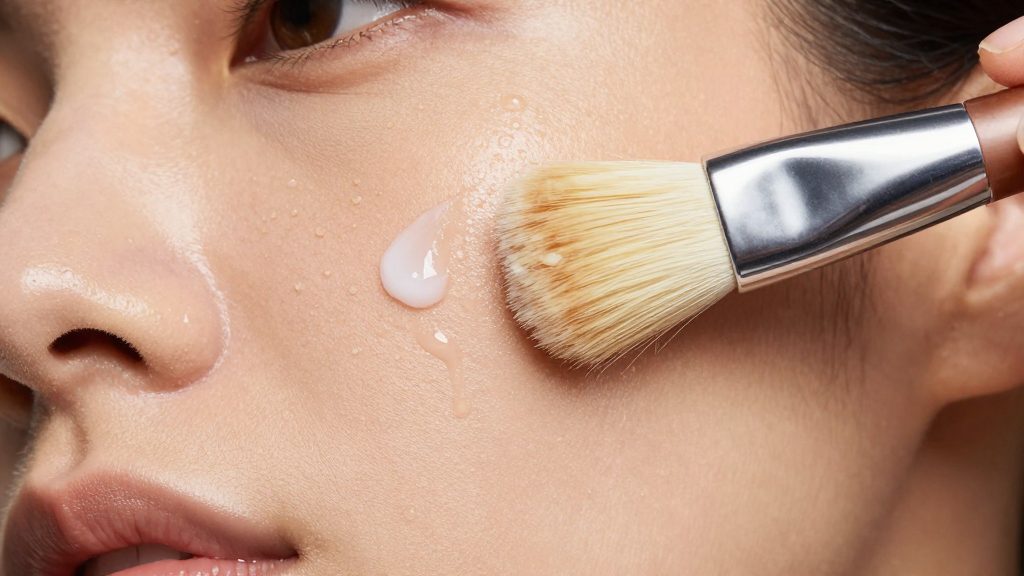
- Moisturize First: Apply an unscented body lotion before spraying. Fragrance molecules cling much better to hydrated skin than to dry, flaky patches.
- Target Pulse Points: Apply to your wrists and behind the ears where heat is highest. *Pro tip:* Never rub your wrists together; this "crushes" the delicate top notes.
- The Mist Method: Instead of spraying directly onto skin, spray a cloud in front of you and walk into it for an even distribution.
Seasonal Matching Guide
* Spring/Summer: Opt for citrus or "green" scents. A light Jo Malone English Pear & Freesia is perfect for a warm July afternoon. * Fall/Winter: Transition to heavier woods or amber. A deep scent like Diptyque’s Orphéon provides a cozy aura when the temperature drops.

Choosing the Right Scent for Your Skin Type
It is important to remember that niche perfumes often contain high concentrations of natural oils, which can react differently depending on your biology.
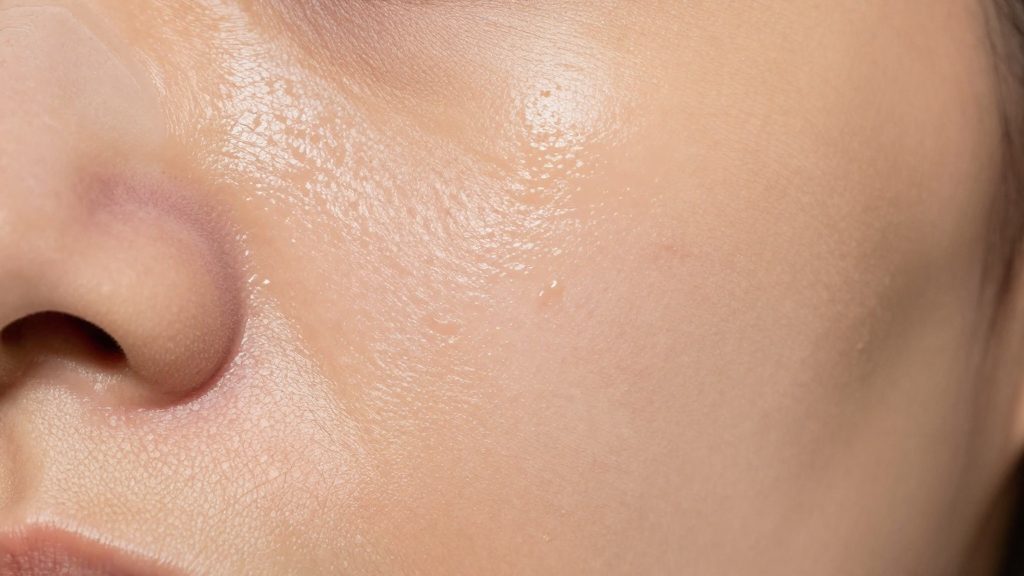
First, consider your skin type. Those with oily skin tend to find that scents project more intensely and last longer because the oil holds the fragrance.
Conversely, those with dry skin may find scents evaporate quickly. They should look for an *Eau de Parfum* or higher concentration to ensure longevity.
However, there is a caveat: individual chemistry plays a massive role. A scent that smells like a dream on a paper tester might turn sour on your skin due to your pH levels.
I always recommend doing a "skin test" where you wear the scent for at least four hours before committing to a full bottle. This ensures the "dry down" is truly pleasant.

Comments 0