Makeup brand choice guide: Current beauty trends and why
"In the 1999 book No Logo, Naomi Klein describes attitude branding as a 'fetish strategy'."
Choosing the right makeup brand requires understanding ingredient labeling, generational trends, and the psychology of branding. This guide covers how to navigate concentration levels, gifting trends, and historical brand structures to find your perfect match.
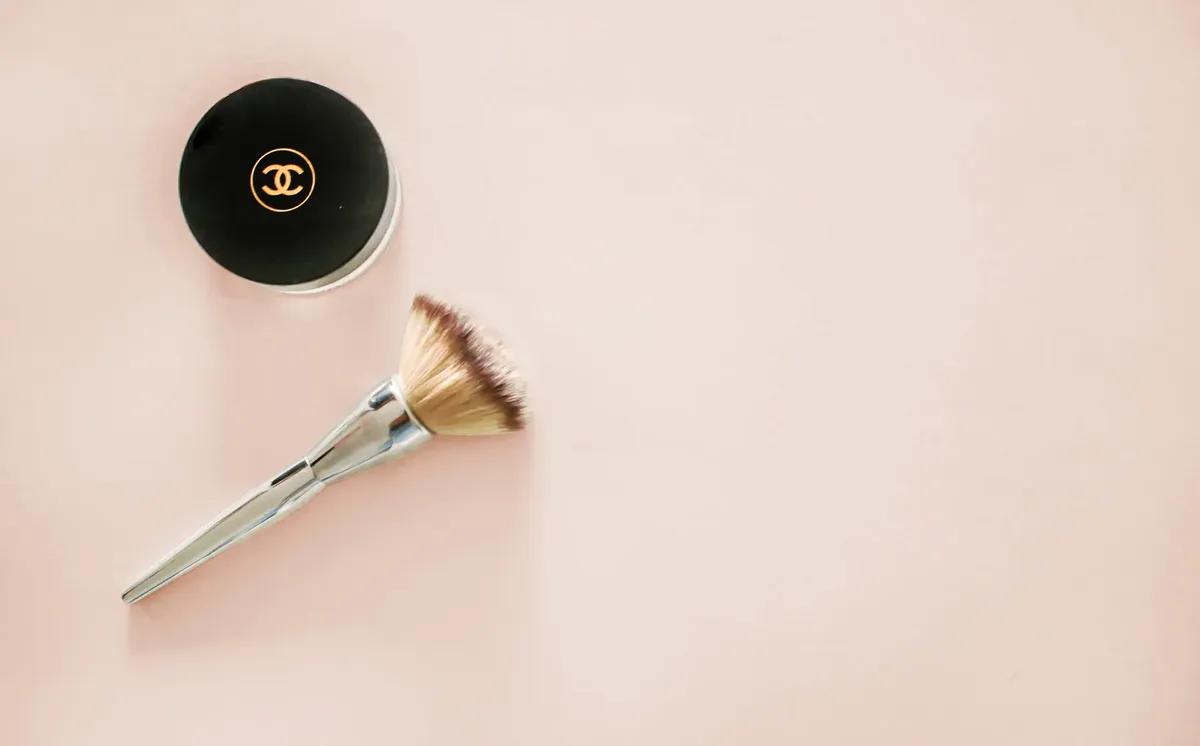
Key takeaways include understanding the 1% ingredient rule, recognizing the shift toward preventative skincare, and identifying how brand identity influences consumer choice.
How to navigate a makeup brand choice guide?
A person stands before a crowded vanity, scanning dozens of colorful bottles and sleek tubes. They need to know which products actually contain the active ingredients they seek.
When reading a label, the order of ingredients indicates relative concentration only for substances present at or above a 1% threshold. According to labeling standards, ingredients present at concentrations of less than 1% may be listed in any order after those present at or much higher levels.
Additionally, color additives may be listed in any order after other ingredients.
Understanding these rules helps you identify which components are primary and which are merely minor additions. This knowledge is essential when you are trying to find your perfect makeup match based on actual formula strength.
- Identify your specific skin type and concerns.
- Compare product ingredient lists against your personal preferences.
- Test samples to assess texture and longevity.
What are the current beauty trends?
A shopper walks through a brightly lit department store, noticing everyone reaching for similar bottles of serum and fragrance.
The beauty landscape is constantly shifting based on generational needs and gifting seasons. For example, preventative skincare gained traction on the last 12 months within Gen Y and X generations.
Staying aware of these shifts allows you to select makeup brand now based on what is currently effective and popular. Recognizing these patterns helps you align your purchases with modern skincare and fragrance movements.
In this sequence, the second step is the most extensive.
How is brand history and ownership structured?
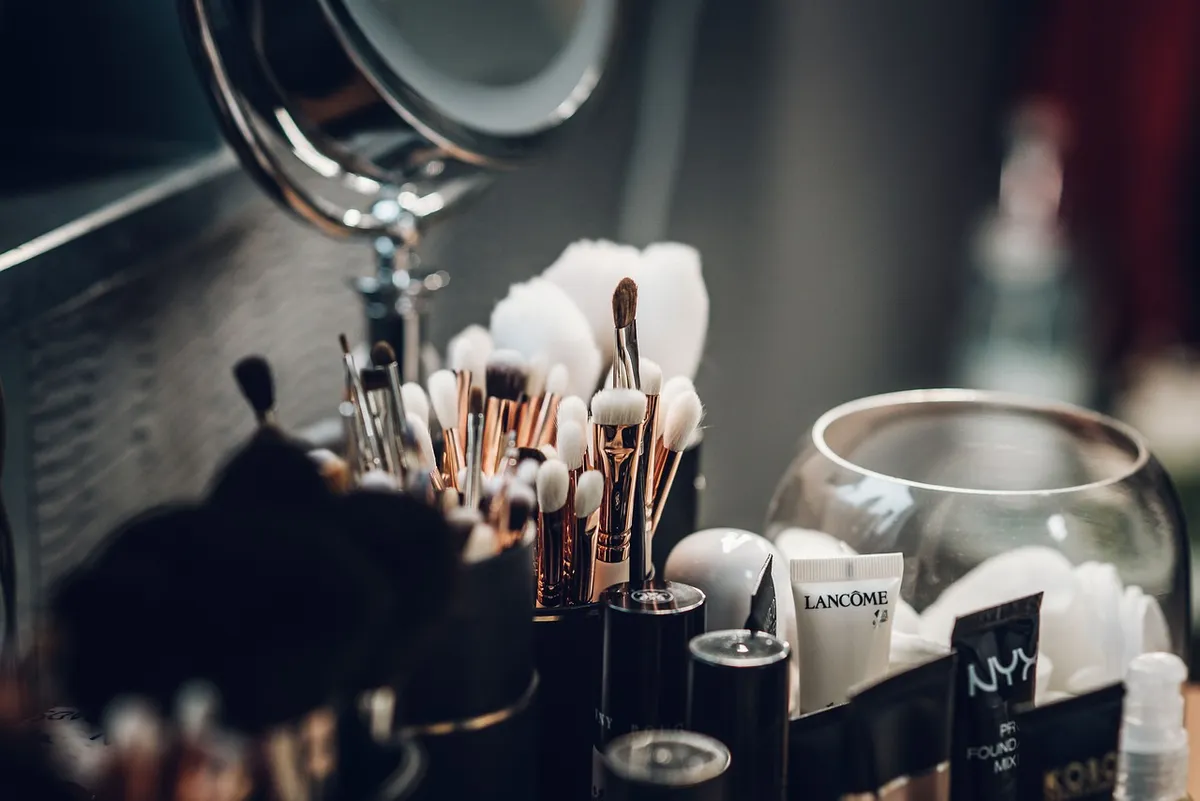
An investor reviews a financial report while looking at the history of a global beauty conglomerate.
Understanding the scale of the industry helps put brand power into perspective. As of 2016, the world's largest cosmetics company is L'Oréal, which was founded by Eugène Schueller in 1909 as the Société Française de Teintures Inoffensives pour Cheveux.
The company is now owned by Liliane Bettencourt (26%) and Nestlé (28%), with the remaining 46% being traded publicly.
This level of corporate structure influences how brands develop and market their products globally. Learning about these foundations provides a better makeup brand comparison when evaluating the stability and reach of different labels.
How do you evaluate ingredient concentration?
A researcher examines a small vial of liquid, noting the precise measurements of the mixture.
To effectively select makeup brand now, you must be able to interpret the technicalities of a product's composition. Follow these steps to evaluate a label:
- Identify the primary ingredients listed at the top of the deck, as these are the substances at or above 1%. 2. Note the secondary ingredients following the first group, which are likely below the 1% concentration level. 3. Check the end of the list for color additives, which can appear in any order after the main ingredients.
I once spent an hour comparing two different serums to see if the active ingredients were listed in the same relative positions. This methodical approach ensures you are not misled by marketing claims regarding ingredient presence.
What are the limitations of ingredient lists?
A consumer holds a magnifying glass over a tiny print list on the back of a moisturizer bottle.
It is important to recognize that the sequence of ingredients is not an absolute measure of quantity for every substance.
Because of labeling rules, the order of ingredients indicates relative concentration only for substances above the 1% threshold; below this level, the sequence does not reflect relative amount.
This limitation means a highly marketed "hero" ingredient might actually be present in a very small amount. Always look at the placement of the ingredient to understand its true role in the formula.
The same subject is also called Best makeup brand guide.
The same subject is also called Which makeup brand to use.
Related
- How to choose coating makeup products based on your skin
- Retinol for K-Beauty Skin: Guide to gradual introduction
How does the 'fetish strategy' relate to modern branding? This attachment is what drives the modern market dynamics described in the article.
The fetish strategy relates to modern branding.
This strategy leverages the consumer's desire for identity congruence, making the brand choice an extension of the self. The consumer is not just buying makeup; they are buying into the narrative supported by the brand's identity.
This aligns with the observed shift toward preventative skincare, where the product becomes part of a larger, aspirational lifestyle narrative.
What is the role of brand identity in consumer decision-making?
Brand identity acts as a shortcut for complex decision-making processes in the modern marketplace. Consumers use established brand narratives to signal their values without needing to analyze every chemical compound.
The brand choice becomes a reflection of the desired self-image or lifestyle the buyer wishes to project.
This psychological attachment is amplified when the product category, such as skincare, aligns with long-term health goals. The initial attraction to a brand, rooted in its identity, guides the consumer through the complex ingredient list.
This suggests that the initial emotional connection outweighs the technical scrutiny of the formula for many purchasers.
How does the 'fetish strategy' apply to product lifecycle?
The 'fetish strategy' dictates that the perceived value transcends the physical contents of the container. When a brand achieves this level of attachment, the product moves from being a mere consumable to a symbolic object.
This symbolic weight influences repurchase cycles and brand loyalty far beyond product efficacy alone.
The lifecycle of a product, therefore, becomes intertwined with the lifecycle of the brand narrative. Sustaining the narrative, rather than just improving the formula, becomes critical for market longevity.
This is a direct consequence of the consumer viewing the purchase through the lens of the 'fetish strategy' described in *No Logo*.
The enduring success of certain brands hinges on their ability to successfully translate chemical composition into cultural capital. The *book* reinforces that the emotional resonance drives market success, not just the presence of beneficial compounds.
This interplay between tangible product and intangible meaning is the core of the modern beauty market.
Wikipedia: Brand Based on the retained excerpt mentioning fetish strategy: In the 1999 book No Logo, Naomi Klein describes attitude branding as a "fetish strategy".



Comments 0