How to choose coating makeup products based on your skin
People who are good at makeup have one thing in common: they prioritize skin type when choosing products. Coating-type makeup products (those that build up with sticks, creams, or powders) can produce vastly different results depending on skin tone and oil balance. Ignoring this can lead to more than just "makeup failure"; it can cause skin irritation, greasiness, or even makeup flaking.
Why Should Makeup Texture Vary According to Skin Type?
✔ Coating products create layers on the skin, so the condition of the skin's surface directly affects the results. For example, oily skin may cause products to break down or become greasy quickly, while dry skin may cause products to crack or have a patchy texture. Therefore, it's necessary to adjust the product texture, longevity, and adherence according to skin type.
---
1. What is the most important factor to consider when choosing a coating product for oily skin?
Answer: Choose products that consider sebum control and moisture balance.
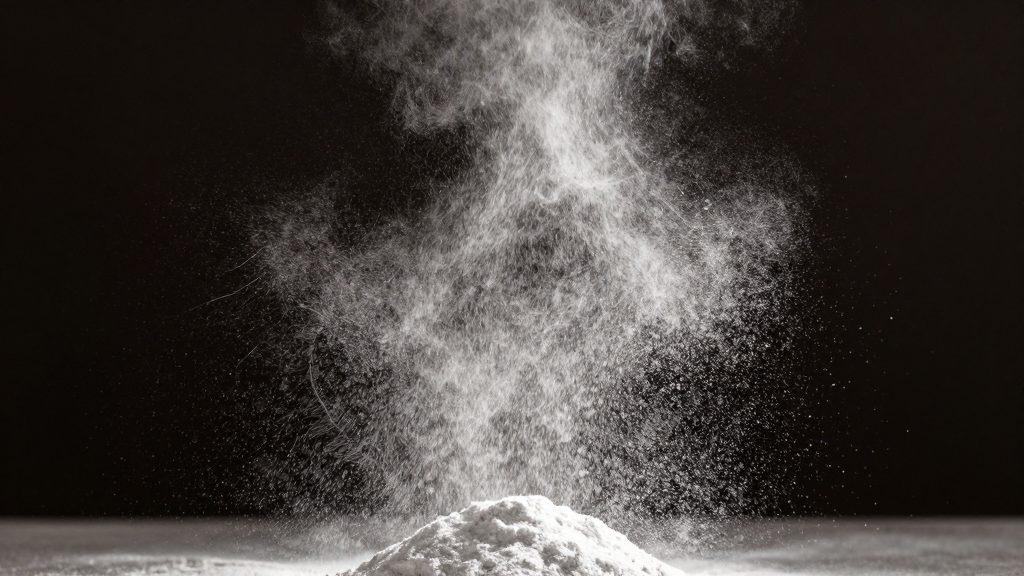
Oily skin tends to become greasy quickly. Among coating products, those containing sebum-absorbing ingredients (e.g., microcrystalline powders, absorbent powders) are ideal. In particular, products with a watery-pressing texture can cover oily areas while creating a coating on the skin. However, if it feels too dry, it can irritate the skin, so it's safer to choose a moisturizing coating product.
---
2. What should be kept in mind when using coating makeup for dry skin?
Answer: Choose products designed for "micro-coating" to prevent makeup from settling into the skin.
Dry skin can have a flaky texture or lack moisture, causing makeup to settle into crevices or crack. In these cases, products with a "moderate texture" are key, rather than heavy coatings. For example, a coating cream containing moisturizing ingredients (e.g., hyaluronic acid, ceramides) forms a protective layer between the makeup and skin, preventing texture issues. Also, applying a mist-type primer before makeup can help the coating adhere better.
---
3. What is the most important criterion to consider when choosing a coating product for sensitive skin?
Answer: Choose products with gentle ingredients and proven stability.
Sensitive skin is highly susceptible to irritation, while coating makeup often contains adhesive ingredients or preservatives that can irritate the skin. Therefore, products containing fragrance-free, alcohol-free ingredients, and "premium" ingredients (e.g., plant oils, natural herbal extracts) are preferred. In particular, prioritize products that have been dermatologically tested or have a history of allergy testing. Be sure to check the ingredient list and choose products that have been proven to be "non-irritating."
---
4. How can combination skin (oily/dry) utilize coating makeup?
Answer: Use different coating products for the T-zone and cheeks, or choose a product with a universal, intermediate texture.
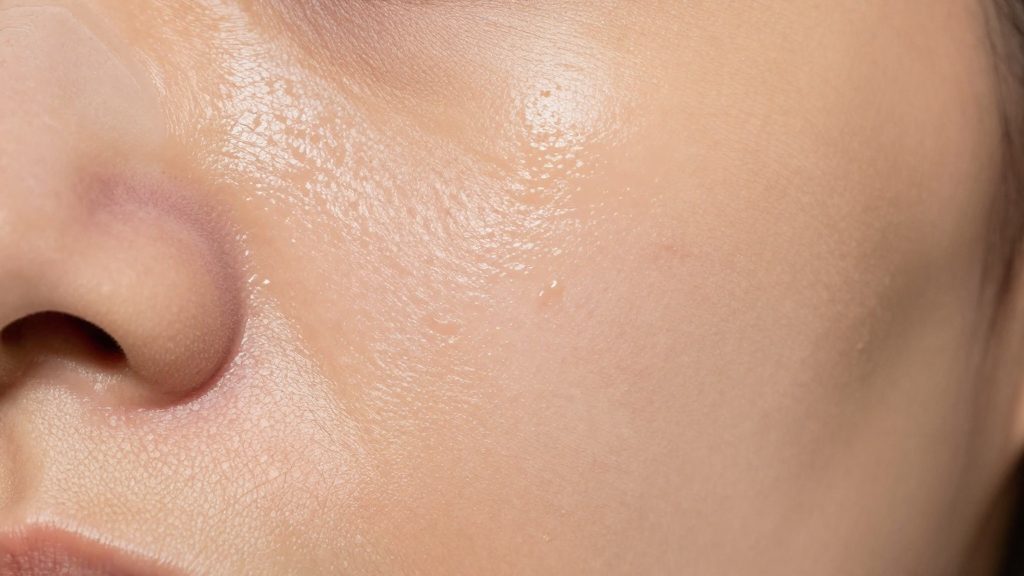
Combination skin has an oily T-zone (forehead, nose, chin) but dry cheeks, making it difficult to achieve balance with a single coating product. In these cases, using different products is effective: a coating cream that balances moisture for the T-zone and a moisturizing coating powder for the cheeks. Alternatively, choose a product with an "intermediate texture" (e.g., between cream and powder) to achieve balanced makeup for all areas.
---
5. What auxiliary techniques can help coating products last longer?
Answer: Secure longevity with a 3-step routine: primer, coating, and setting spray.
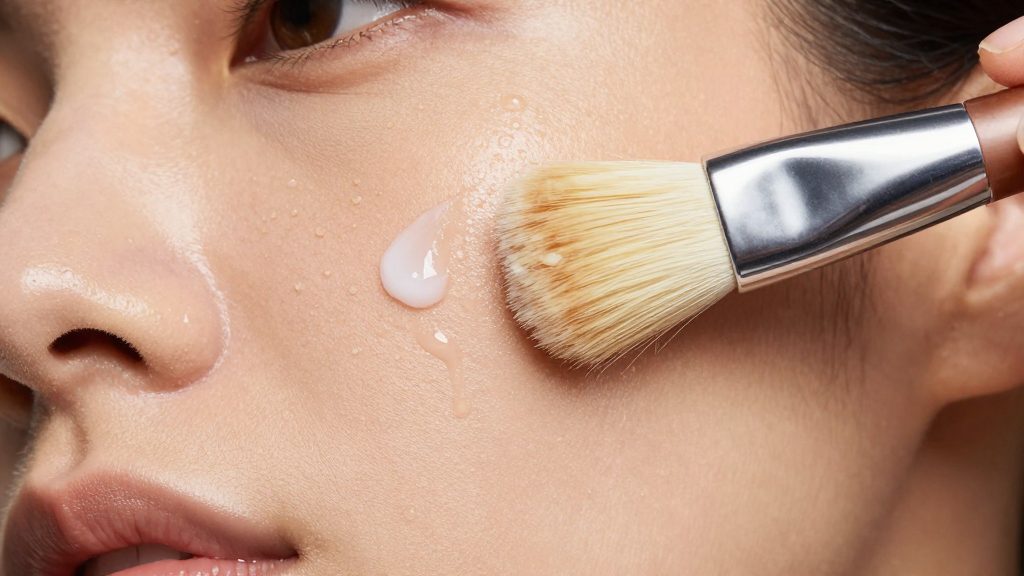
For coating products to last a long time, a combination of basic skincare and auxiliary products is more important than just makeup. First, use a primer to stabilize skin tone and balance sebum and moisture. Then, apply the coating product and finish with a setting spray (either moisturizing or sebum-controlling) to strengthen the coating layer. In particular, an alcohol-free setting spray can fix makeup without irritation.
---
6. Why is skin preparation essential before applying coating makeup products?
Answer: Because the condition of the skin has a crucial impact on the adhesion and durability of the coating product.
One of the most common reasons why makeup doesn't apply well is when the skin is dry or contaminated. Therefore, before applying the product, it's essential to gently cleanse the skin, apply a moisturizer, and allow it to absorb for 1-2 minutes before applying the coating product. Without this step, the coating layer may not adhere properly to the skin, leading to texture issues and flaking.
---
Frequently Asked Questions
Q. Can coating makeup products last all day? A. It depends on the skin type and environmental conditions. Generally, they last for 6-8 hours. However, oily skin may only last for 4-5 hours, while dry skin may last for 6 hours or more. Applying a setting spray before going out can improve longevity.
Q. Is coating makeup waterproof? A. It depends on the product, but some contain "waterproof" coating ingredients (e.g., silicone-based) that are resistant to occasional sweat or moisture. However, they are not completely waterproof, and additional touch-ups may be needed in sweaty or humid environments.
Q. What is the safest type of cleanser to use when removing coating products? A. The key is to use a gentle remove cream or cleansing oil. Coating products adhere strongly to the skin, so strong cleansers or abrasive scrubs can damage the skin barrier. Instead of cleansing oils or foams, use a "remove cream" with adhesive properties to gently separate the coating layer.

Comments 0