Retinol for K-Beauty Skin: Guide to gradual introduction
"The pursuit of youthful radiance often leads enthusiasts to explore powerful active ingredients like vitamin A."
Key takeaways: 1. Understand the distinction between dietary and topical applications. * Master the gradual introduction of the ingredient. * Recognize the historical context of vitamin A production.
How to use retinol for skin rejuvenation?
A hand gently applies a pea-sized amount of serum to a clean, dry face. This ritual marks the beginning of a transformative skincare journey.
Because the skin needs time to adjust to increased cell turnover, a slow and steady approach is essential.
For those seeking Retinol for K-beauty skin, beginning with low concentrations in the evening is a standard professional recommendation.
The global availability of these compounds is shaped by diverse industrial uses. According to historical market data, the world market for synthetic retinol is primarily for animal feed, leaving approximately 13% for a combination of food, prescription medication, and dietary supplement use.
This means that cosmetic-grade availability is a specific subset of a much larger global supply chain.
Using the right amount ensures that you do not exceed what your skin can handle. If you apply too much too soon, you may experience redness or peeling.
What are the different forms of vitamin A? Retinol for K-Beauty Skin
In the sunlit kitchen, he studies the bright orange carrot to learn how nature converts pigment into retinol.
A person examines a bright orange carrot on a wooden cutting board. The natural colors of the vegetable hint at the complex chemistry within.
Understanding the biological origins of the ingredient helps in selecting the right products. While many people look to plants for nutrients, the conversion process is specific.
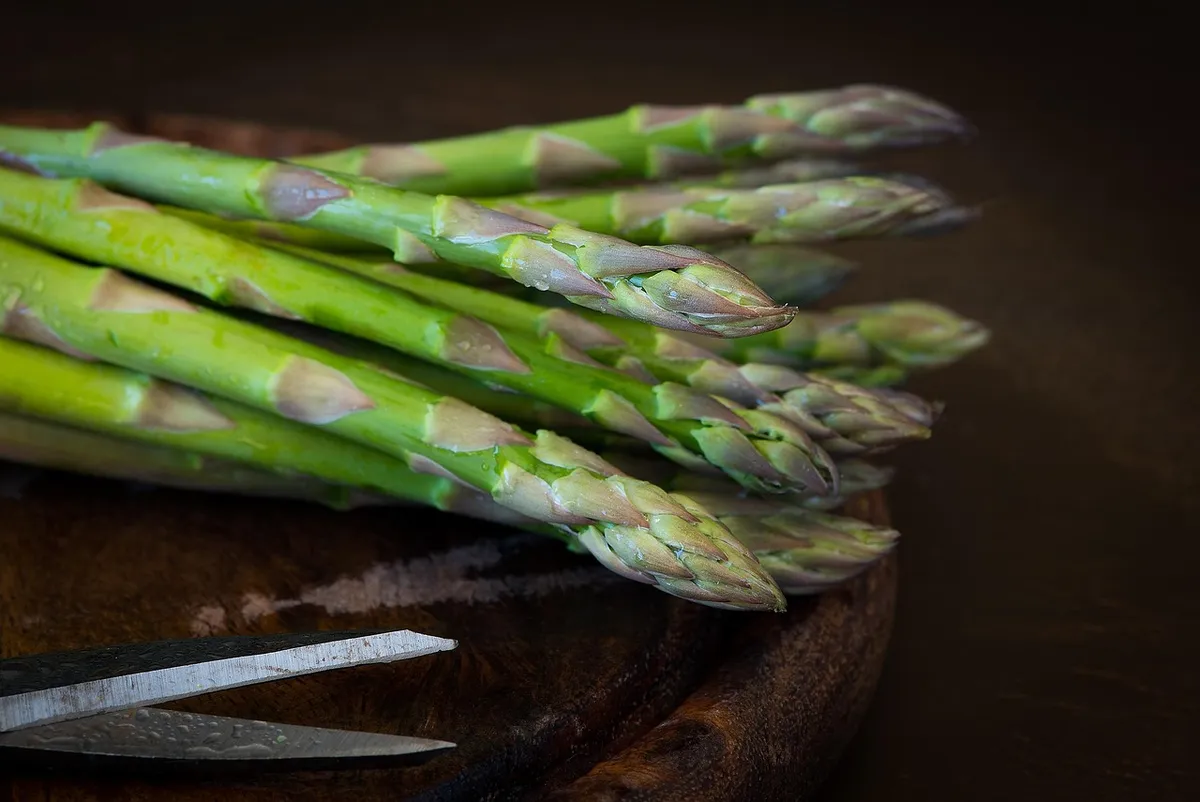
Hundreds of different carotenoids are synthesized by plants, but only about 10% of them are capable of being converted to retinol.
This biological limitation means that topical products often use synthetic or stabilized versions to ensure efficacy. When choosing a product, consider whether you need a high-strength treatment or a gentle, plant-derived precursor.
The effectiveness of a product often depends on how well the ingredient is stabilized.
How to apply retinol for oily skin?
A person presses a lightweight, clear serum into a smooth forehead. The texture disappears quickly into the skin.
For those managing oilier complexions, the goal is to balance sebum production while maintaining hydration. Applying the product to dry skin helps prevent it from spreading too deeply and too quickly, which can minimize irritation.

- Cleanse the skin thoroughly with a gentle, non-stripping cleanser to remove all oils and impurities. 2. Apply a thin layer of the product, focusing on areas with texture or congestion while avoiding the delicate eye area. 3. Wait several minutes for the product to fully absorb before applying a lightweight, oil-free moisturizer to seal in hydration.
I found that waiting for the skin to be completely dry before application helped prevent the stinging sensation sometimes associated with new actives.
How to apply retinol for dry skin?
A person smooths a rich, creamy moisturizer over a cheekbone. The skin looks supple and well-hydrated.
Managing dryness requires a different strategy to prevent the skin from becoming flaky. The combination of an active ingredient and a heavy moisturizer can provide a protective buffer.
- Apply a hydrating serum or a thin layer of moisturizer first to create a slight barrier on the skin. 2. Gently pat the retinol-based product over the skin, using only the necessary amount to avoid over-saturation. 3. Follow up with a thick, emollient cream to lock in moisture and prevent transepidermal water loss.
A final check of the skin's moisture levels is necessary after every application to ensure the barrier remains intact.
What are the historical market trends?
An old ledger sits on a desk next to a glass vial. The pages tell a story of industrial shifts and chemical breakthroughs.
The landscape of vitamin A has changed significantly over the decades. Before 1999, three companies, Roche, BASF, and Rhone-Poulenc controlled 96% of global vitamin A sales. This concentration of supply meant that the availability and types of products were dictated by a few major players.
Today, the market is much more fragmented, allowing for a wider variety of specialized K-Beauty formulations. This diversity allows consumers to find specific concentrations tailored to their unique needs.
Understanding these shifts helps put the current abundance of skincare choices into perspective.
- Using Retinol for K-Beauty Skin requires a strategic approach to balance potency with skin comfort.
- This guide focuses on how to integrate this ingredient into a daily routine, covering application techniques, understanding the global market context, and managing expectations for different skin types.
- When starting a regimen, the primary goal is to introduce the active ingredient without overwhelming the skin barrier.
The same subject is also called Retinol usage guide.
The same subject is also called K-Beauty retinol tips.
The same subject is also called Skin aging with retinol.
This part also covers Retinol application steps.
Related
- How to Read Cosmetic Ingredients: Distinguishing Between
- Here are 5 "hidden" cosmetic ingredients that can disrupt
Why is the pursuit of youthful radiance challenging?
The pursuit of youthful radiance often requires a delicate balance between potent chemical action and the skin's natural resilience. Achieving optimal results necessitates respecting the skin's adjustment period to the active ingredient.
This careful balance is crucial for integrating Retinol into a successful regimen.
What is the role of the skin barrier in this process?
The skin barrier acts as the primary defense mechanism, and its integrity must be maintained while allowing the desired cellular turnover to occur. Overwhelming this barrier with a strong active ingredient can lead to adverse reactions, necessitating the slow introduction mentioned previously.




Comments 0