Beauty pageant interview process: Think beyond the visual
"The true measure of an individual often lies not in the visual presentation, but in the clarity of their conviction and the depth of their intellect during a single moment of inquiry."
The beauty pageant interview process serves as a critical mechanism to evaluate a candidate's character and mental acuity beyond physical appearance.
This assessment typically focuses on how contestants handle pressure, articulate complex views, and demonstrate social awareness through structured dialogue. This guide explores how judges utilize these interactions to distinguish between mere presence and true leadership potential.
How does the beauty pageant interview process function?

A candidate sits in a quiet room, adjusting a microphone while waiting for the panel to begin. The silence of the room heightness the tension as the first question is posed. The beauty pageant interview process is designed to strip away the glamour of the stage to reveal the person underneath.
Judges look for consistency between a contestant's public persona and their private responses. This evaluation aims to identify candidates who can represent an organization with dignity and intelligence.
A well-prepared candidate uses the interview to show a cohesive narrative of their life and values.
The assessment is not merely about finding the right answer, but about observing the thought process behind the response. Judges monitor body language, eye contact, and the ability to remain composed under scrutiny.
This ensures that the individual can handle the high-pressure environments they will face as titleholders.
However, the effectiveness of this process may be limited when interviewers fail to establish a rapport with the contestant.

A panel of professionals leans forward, listening intently as a candidate responds to a difficult social question. The contestant Q&A evaluation serves as a primary tool for measuring real-time cognitive processing.
It tests how quickly a candidate can synthesize information and deliver a coherent, persuasive argument.
This stage of the competition often reveals the depth of a candidate's prepared stances and their ability to think on their feet. It is a rigorous test of verbal communication and emotional intelligence.
By asking unpredictable questions, judges can see if a candidate's values remain steadfast or if they falter under pressure.
Successful candidates use this time to demonstrate empathy and global awareness. The goal is to see if the candidate can engage with complex topics with nuance rather than relying on clichés. This differentiation is vital when selecting a representative who must speak on behalf of diverse groups.
- The judges listen to the response.
- They evaluate the clarity of the message.
- They assess the alignment with the pageant's values.
Why is pageant personality assessment important?
A candidate shares a personal story, her eyes reflecting the sincerity of her words as she connects with the judges. Pageant personality assessment focuses on the authenticity of the individual's character.
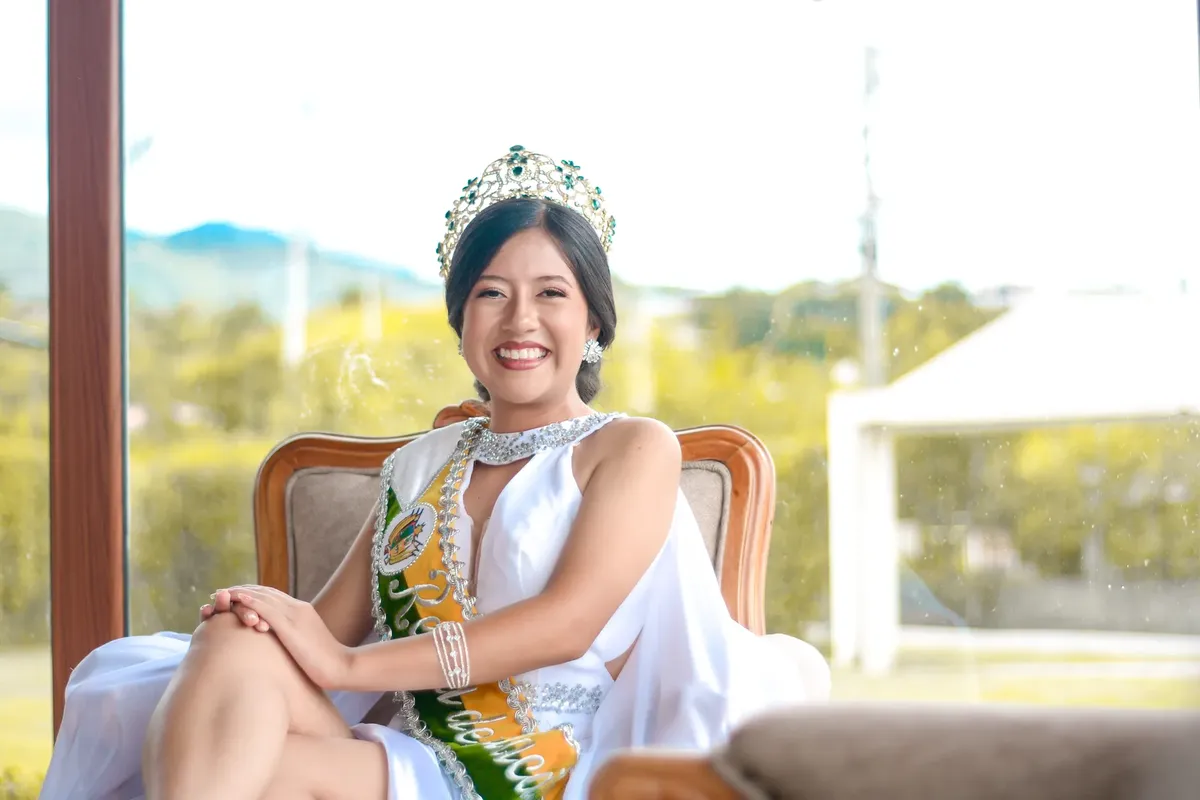
It seeks to determine if the candidate possesses the leadership qualities necessary for the role.
Judges look for a personality that is both approachable and commanding. They evaluate how a candidate's temperament might translate to public appearances and community engagement. A strong personality is often characterized by confidence, warmth, and a sense of purpose.
This assessment helps prevent the selection of individuals who may only be interested in the title without the commitment to service. It looks for a unique voice that can inspire others. The personality must align with the mission and values of the organization they seek to represent.
In this sequence, the second step is the most critical.
How is intelligence judging in pageants conducted?
The room is silent as a candidate pauses to consider a complex geopolitical question before speaking. Intelligence judging in pageants involves assessing the candidate's ability to articulate logic and reasoned opinions.
It is a check against superficiality, ensuring the winner is a well-informed individual.
The panel evaluates the sophistication of the candidate's vocabulary and the structure of their arguments. They look for an ability to discuss wide-ranging topics, from social justice to international relations, with clarity. This ensures the titleholder can act as an effective spokesperson.

This type of evaluation often involves challenging the candidate's logic to see how they defend their position. It is not about being "correct" in a political sense, but about demonstrating a high level of critical thinking. This intellectual depth is a hallmark of a modern titleholder.
This approach does not apply when the questions are purely factual rather than situational.
How can we understand the interview role in beauty contests?
A candidate walks out of the interview room, taking a deep breath to release the tension of the encounter. Understanding the interview role in beauty contests requires recognizing it as the ultimate equalizer. It levels the playing field, moving the focus from visual aesthetics to mental substance.
The interview serves as the final filter in many prestigious competitions. It acts as a bridge between the candidate's personal history and their potential future impact. Without this component, the selection process would lack the necessary depth to identify true ambassadors.
| Aspect | Focus Area | Objective |
|---|---|---|
| Verbal Communication | Clarity and Eloquence | Assess articulation |
| Emotional Intelligence | Empathy and Composure | Assess social awareness |

I observed how a single well-placed question could transform a confident candidate into a thoughtful leader through sheer intellectual clarity. The interview process remains the most significant variable in determining the long-term success of a titleholder.
The effectiveness of these methods is limited by the subjective nature of human judgment and the inherent stress of the environment.
The second point in this discussion is the most extensive.
This part also covers Judging character through speech.
This part also covers Testing intellect in Q&A.
This part also covers Beyond appearance in pageants.
Judging character through speech
Related
- Men's modeling beauty pageants: Best practices for success
- Beauty pageant titles explained: Miss categories guide
What is the true measure of a candidate?
The true measure of a candidate is found when their intellect shines through under pressure. This intellectual clarity demonstrates the depth of their conviction. The visual presentation, while part of the journey, becomes secondary to the mental substance displayed during the inquiry.
The contrast between appearance and substance is what the judges seek to weigh. A candidate must prove that their internal qualities match the external promise of the title. This requires more than just good looks; it demands mental fortitude.
The journey from candidate to titleholder hinges on this demonstration of internal alignment. The ability to sustain a thoughtful presence throughout the evaluation period is crucial for success.
This metric is not applicable when a candidate's specific platform outweighs their general persona.





Comments 0