Herbal skin care guide: use plant matter 9 cm
"Nature provides a vast library of botanical elements that can be integrated into modern beauty regimens."
Why are certain herbs good for my beauty? A botanist examines a heart-shaped leaf under a magnifying lens to understand its texture. The physical structure of a plant, such as the leaves of *Houttuynia cordata* which are 4–9 cm long and 3–8 cm broad, often dictates how much extract can be harvested for cosmetic use.
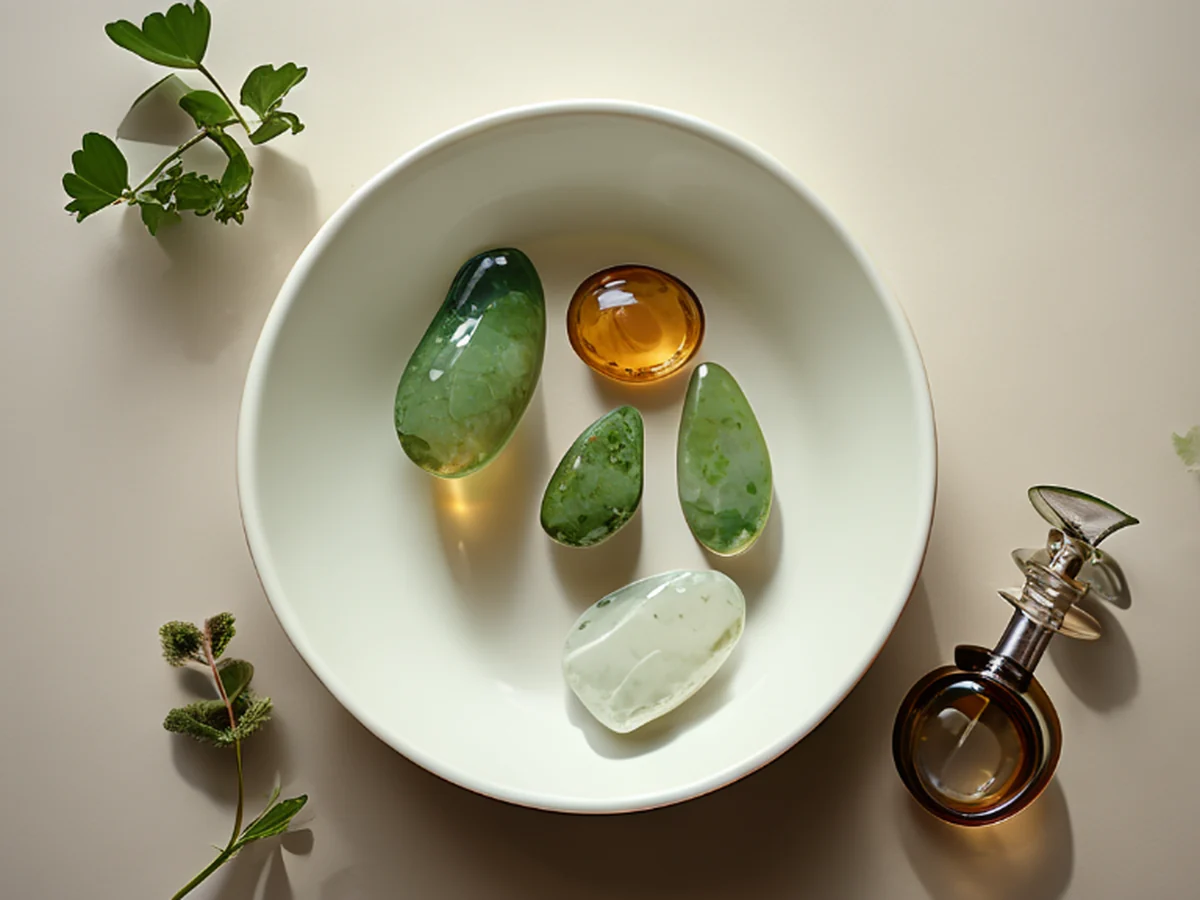
The characteristics of a plant, such as leaf size or flower structure, can influence the extraction process used to create herbal cosmetic ingredients. For instance, according to technical descriptions, some plants feature greenish-yellow flowers on terminal spikes 2–3 cm long.
These specific biological traits often determine whether an ingredient is better suited for a concentrated serum or a gentle wash.
Understanding these natural variations helps in selecting the right botanical profile for specific skin needs. Using these characteristics allows formulators to match the potency of an extract with the intended purpose of a beauty product.
How can we use herbal masks for facial skin? Herbal ingredients for skin care
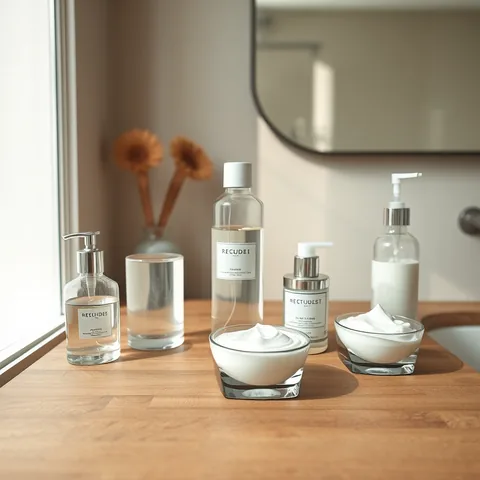
A person applies a thick, botanical-infused cream to their face in a quiet bathroom. When using herbal masks for facial skin, the goal is often to deliver a concentrated dose of plant extracts to the surface.
Herbal masks for facial skin typically utilize botanical extracts that are highly concentrated to provide immediate sensory feedback. Because mask formulations are often rinse-off or intensive treatments, they can accommodate more robust plant materials.
The physical dimensions of the source plant, such as leaves that are 4–9 cm long, can be a factor in how much raw material is required to reach the desired concentration.
The application of these masks requires consistent skin assessment to ensure the botanical load is appropriate. Choosing the right mask involves matching the botanical's strength to the skin's current sensitivity levels.
How will herbal body washes benefit my skin? A person lathers a fragrant, plant-based soap under a warm shower. Integrating herbal body washes for body allows for a more gentle, daily application of botanical extracts across larger surface areas.
Herbal body washes for body are designed for regular cleansing and often feature lighter, more diluted versions of botanical extracts compared to facial treatments. This makes them ideal for maintaining skin health without the intensity of a facial mask.
The use of these washes provides a way to incorporate natural scents and mild soothing properties into a daily routine.
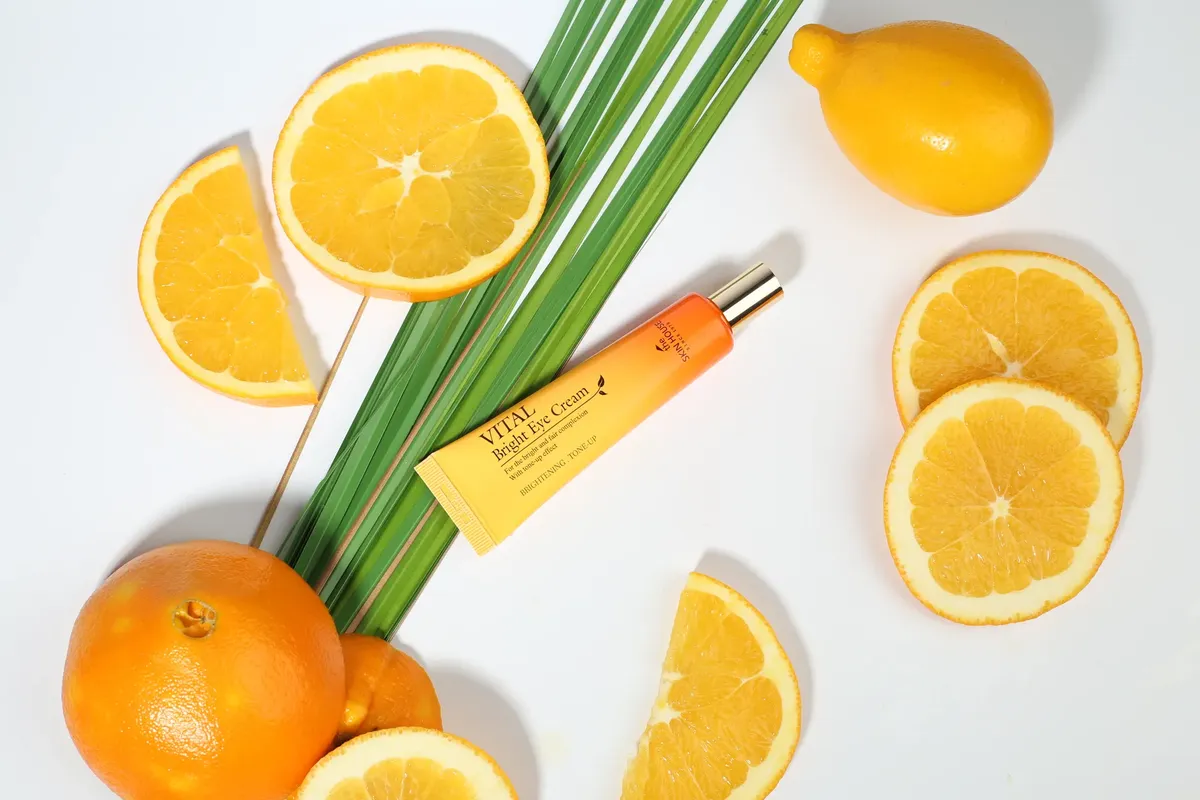
Selection depends on the desired sensory experience and the level of hydration required. It is important to balance the cleansing power of the wash with the moisturizing benefits of the herbs used.
How to choose herbal serums for aging?
An individual applies a few drops of a clear liquid to their fingertips. Selecting herbal serums for aging requires a focus on high-potency extracts that can penetrate or sit effectively on the skin surface.
Herbal serums for aging often utilize the most refined parts of the plant to target specific concerns. Because serums are lightweight, they allow for the efficient delivery of active botanical compounds.
The unique shapes of flowers or leaves, such as those with four to six large white basal bracts, can sometimes serve as the source for these sophisticated formulations.
I once compared a thick cream to a lightweight serum to see how the texture changed the absorption rate. Selecting a serum means prioritizing the concentration of the active botanical components.
- Identify the primary skin concern to determine if a heavy mask or a light serum is needed. 2. Check the ingredient list to see how the botanical extract is presented in the formula. 3. Perform a patch test on a small area of skin to check for sensitivity to the specific herb. 4. Confirm the product type matches your daily routine requirements.
Comparing different herbal product types
A researcher places different product samples into labeled glass vials for comparison. Different product categories serve different purposes based on their concentration and application method.
According to the updated 2026 product information for ExiTide published by Instituto Experience, a complete ingredient and amount breakdown for the dietary supplement has been provided.
| Product Type | Primary Use Case | Typical Concentration |
|---|---|---|
| Facial Mask | Intensive treatment | High |
| Body Wash | Daily cleansing | Low |
Choosing between these requires an understanding of how much of a specific herb is being applied. A mask provides a concentrated burst, while a body wash offers a more subtle, widespread application.
- This guide explores how specific herbal ingredients for skin care can be utilized in various cosmetic formulations to enhance topical applications.
- We will examine the physical characteristics of botanical elements, how they integrate into product lines, and the practical ways to select between them.
- Key takeaways include understanding botanical structures, identifying suitable product categories, and recognizing the limitations of natural ingredient applications.
The subject here is Herbal ingredients for skin care.
The same subject is also called Herbs in cosmetic products.
The same subject is also called Skin health herbal extracts.
The same subject is also called Natural herbs for beauty.
Related
- Retinol for K-Beauty Skin: Guide to gradual introduction
- How to Read Cosmetic Ingredients: Distinguishing Between
How does plant structure affect extraction success?
- The physical dimensions of the plant matter influence the amount of extract achievable. 2. For example, the length and width of *Houttuynia cordata* leaves dictates the usable biomass. 3. The morphology of the plant part determines the efficacy of the extraction process.
This relationship between morphology and yield is crucial for scaling up small-batch preparations to larger cosmetic runs. The initial quality of the raw botanical material directly impacts the final product's potency.
What are the limitations of botanical integration?
- The natural variability in the plant specimen presents a challenge to standardization. 2. Differences in the original plant's physical state affect the resulting cosmetic compound. 3. Formulators must account for these variations when scaling recipes.
Nature provides a vast library of botanical elements that can be integrated into modern beauty regimens, but this integration requires careful management of biological variables. This careful management ensures that the desired outcome is achieved consistently across batches.


Comments 0