Fragrance Science: Matching Scent to Your Lasting Memory
"A single spray can bridge the gap between a fleeting moment and a lifelong memory."
The world of fragrance is not just about smelling good; it is about the architecture of memory and the science of presence. Understanding how different concentrations and scent families interact with our biology is the key to finding a signature that lasts.
* Classic scent profiles possess an enduring power that transcends shifting fashion trends. dan * The differences between concentrations, such as Eau de Toilette and Parfum, dictate how long a scent lingers on the skin. * The journey from the first spray to the final dry-down is a complex biological and chemical process.
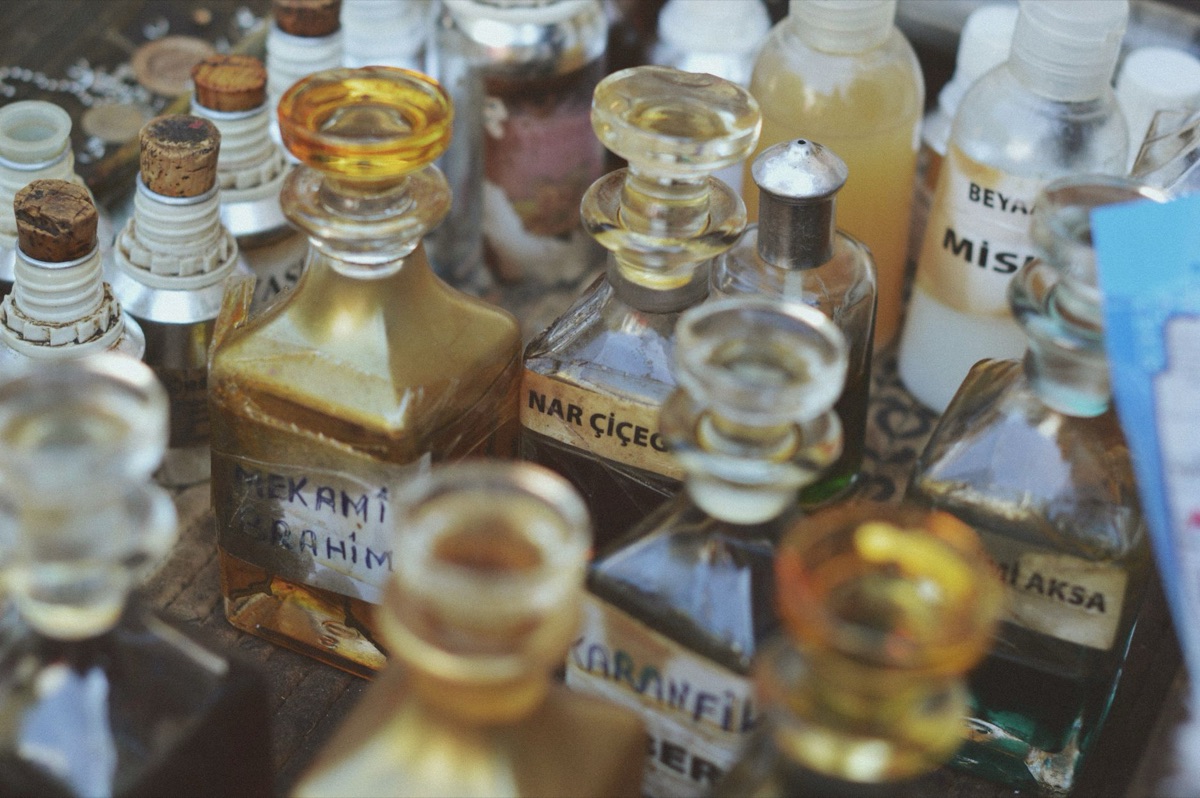
Why do some fragrances stay timeless? I sat in a sun-drenched corner of a Parisian cafe last autumn, watching a woman walk past as the scent of sandalwood and amber trailed in her wake. It wasn't a sharp, synthetic smell that demanded attention, but a deep, textured presence that seemed to belong to the air itself.
The longevity of a masterpiece often lies in its structural integrity, where base notes provide a foundation that evolves over hours. While top notes provide the initial greeting, the true character of a classic fragrance is found in the slow reveal of the dry-down.
Compounds in certain scent classes are typically rich and "deep," and they are usually not perceived in their full complexity until 30 minutes after application. This delay is intentional, allowing the volatile top notes to settle so the heart and base can emerge.
This layering ensures that the fragrance does not simply vanish but evolves into a sophisticated aura.
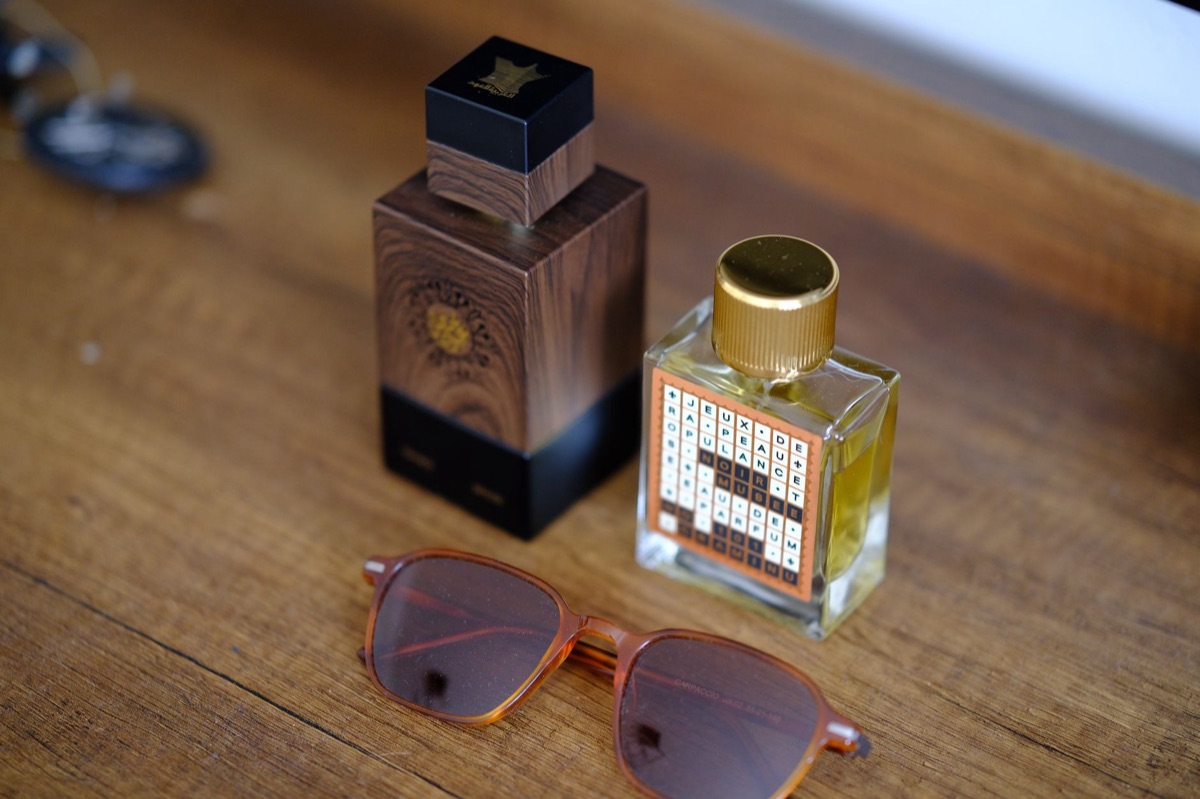
How do I find my signature scent? I remember standing in a high-end boutique in Manhattan, surrounded by hundreds of glass bottles, feeling overwhelmed by the sheer variety of olfactory profiles. It was only when I realized that scent is a personal language that the overwhelming wall of glass became a map of possibilities.
Choosing a scent is about matching a profile to a mood, whether it is the crispness of citrus for a morning meeting or the warmth of oud for an evening gala.
The importance of matching the concentration to your desired wear time cannot be-overstated, as the oil content determines how the scent interacts with your skin.
The biological process of smelling is equally fascinating. Fragrances are detected by the nose when the movement of inspired air contacts olfactory sensory neurons, which in humans, number between 6 and 10 million over a surface area of 2.5 cm2 (0.39 sq in) of olfactory epithelium.
This massive network of sensors allows us to translate chemical molecules into complex emotional responses.
The Art of Application: Maximizing Your Scent Experience
At 7:00 AM, I sprayed a heavy oriental perfume on my wrist, only to realize much later that the scent had transformed entirely by my lunchtime meeting. It was a lesson in how heat and timing dictate the performance of a fragrance.
The timing of application is critical for managing how a scent projects. Because many heavy compounds take time to bloom, waiting for the initial alcohol evaporation is essential for a balanced experience.
The lifespan of a scent depends heavily on its concentration. Cologne fragrance is released rapidly, lasting around 2 hours. In contrast, Eau de toilette lasts from 2 to 4 hours, while perfume may last up to six or even eight hours.
Understanding these windows allows you to plan your fragrance for the duration of your day.
Beyond the Bottle: The Cultural Resonance of Timeless Scents
Walking through a crowded terminal in London, I watched a young woman catch a whiff of a passing traveler's perfume and immediately smile, as if a distant memory had been triggered. It was a reminder that scents are often more recognizable than faces.
The impact of an iconic fragrance is often measured by how quickly it enters the collective consciousness.
For instance, according to data from the NPD Group, sometime in the past, 81 percent of young women were aware of a specific fragrance following its release, a level of recognition comparable to that of established body-care brands marketed to the same demographic.
This cultural resonance turns a product into an icon. A well-crafted scent does not just sit on the skin; it creates a lasting impression that bridges generations, moving from an initial impression to a permanent fixture in one's personal identity.
Tailoring the Experience: Matching Scent to Self
I once applied a heavy, spicy fragrance to my skin during a humid summer afternoon in Charleston, only to find the heat amplified the scent to an overwhelming degree. It taught me that skin temperature and environment are as much a part of the fragrance as the juice in the bottle.
When selecting a scent, consider your skin type and the environment. Dry skin tends to absorb oils more quickly, often requiring a higher concentration to maintain projection, while oily skin may amplify certain notes more intensely.
| Concentration Type | Typical Lasting Time | Primary Characteristic | | :---s| :---s| :---s| | Cologne | ~2 Hours | Refreshing, light, rapid release | | Eau de Toilette | 2 to 4 Hours | Balanced, good for daytime wear | | Eau de Parfum | 4 to 8 Hours | Richer, deeper, higher oil content | | Parfum / Extrait | 8+ Hours | Intense, heavy base notes, slow release |
To ensure the best experience, follow these steps for application: 1. Apply to pulse points (wrists, neck, behind ears) where skin is warmest. 2. Allow the fragrance to settle for at least 30 minutes before judging the scent profile. 3.
Avoid rubbing your wrists together, as this can disrupt the molecular structure of the top notes. 4. Moisturize your skin with an unscented lotion before application to help the scent adhere.
#

Comments 0