How to choose cosmetics that are right for your skin type.
If you're experiencing recurring skin problems, the cause is likely an error in your choice of cosmetics. Even with the same product, different skin types (oily and dry) can react differently, and using the wrong products can lead to breakouts, peeling, or dryness.
Accurately identifying your skin type and choosing ingredients and formulations that are suitable for it is crucial for maintaining long-term skin health.
Step 1: Diagnosing Your Skin Type
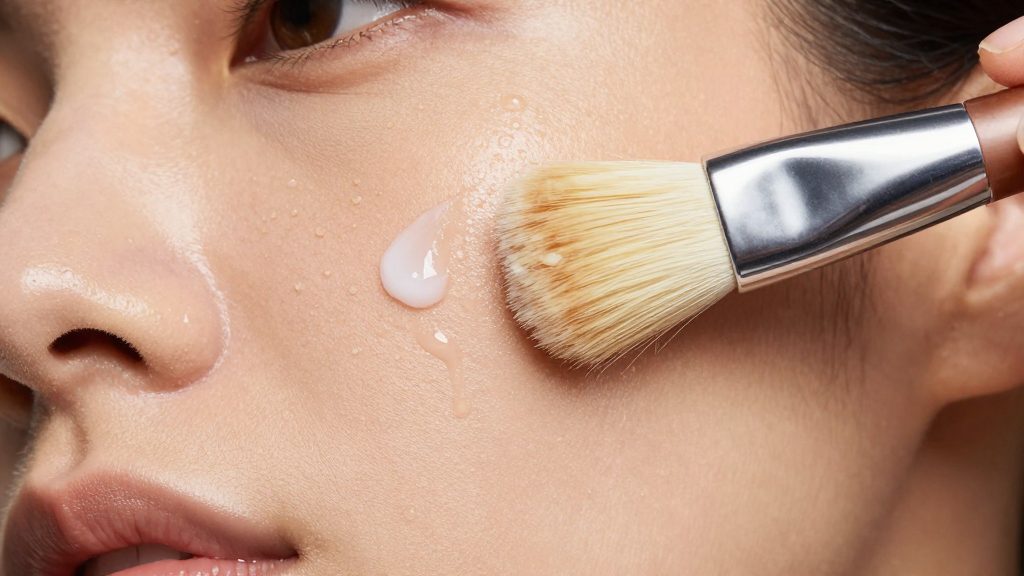
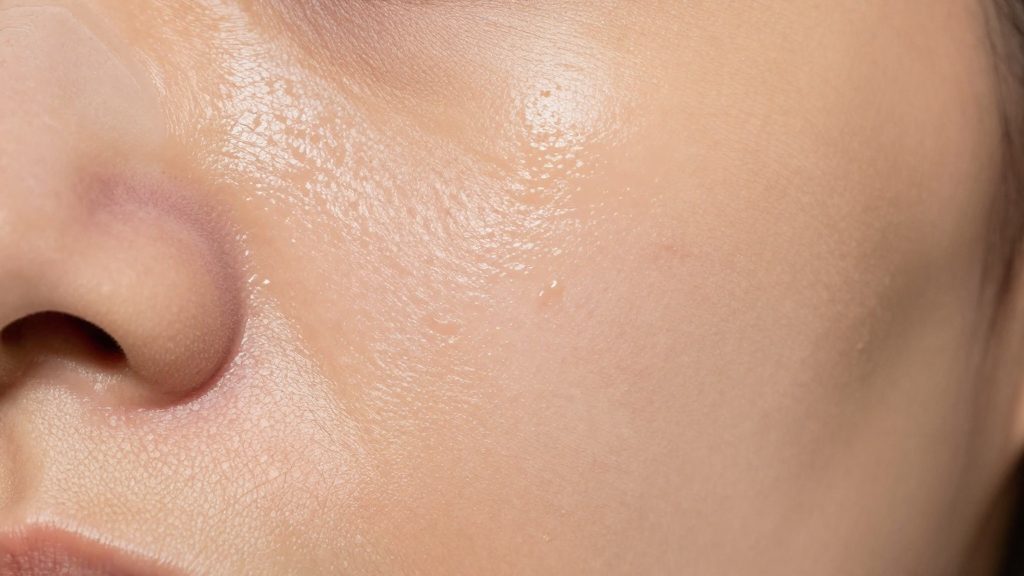
[Image of choosing cosmetics suitable for your skin type]
Your skin type is more than just "oily" or "dry." You need to consider the oil production level, hydration status, and reaction to environmental changes holistically.
- Oily skin: Characterized by a shiny face in the morning, and prone to blackheads or acne on the T-zone (forehead, nose, and chin).
- Dry skin: Experiences tightness, peeling, and cracking after makeup application, and feels dry even after moisturizing.
- Combination skin: Oily in the T-zone, but dry or sensitive on the cheeks. - Sensitive skin: Easily experiences irritation, stinging, and redness, and is often reactive to chemical ingredients.
Tip: Your skin type can change with the seasons and lifestyle habits. It might appear dry in winter and oily in summer. Keeping a record of "oily, dry, or sensitive" for a week can be helpful.
[Image of choosing cosmetics suitable for your skin type]
Step 2: Analyzing the Key Ingredients and Formulations of Cosmetics
The most important aspect of choosing cosmetics is the combination of formulation (serum, cream, toner, etc.) and key ingredients. The effectiveness can vary greatly depending on your skin type.
- Oily skin should prefer oil-free formulations (water gels, toners, sunscreens).
- - Skin-friendly ingredients: Hyaluronic acid, dipotassium glycyrrhizate, nylon-6.
- - Avoid ingredients that can irritate the skin: Alcohol (ethanol), fragrance, parabens.
- Dry skin requires moisturizing oil-based formulations (creams, oil serums).
- - Moisturizing ingredients: Collagen, ceramides, fibronectin.
- - Ingredients that strengthen the skin barrier (e.g., carbonates) are beneficial when included in a complex moisturizer.
- Sensitive skin should prioritize products labeled as "mineral-based" or "dermatologically tested."
- - Check the ingredient list for phrases like "skin irritation test completed" or "no allergic reactions."
[Image of choosing cosmetics suitable for your skin type]
Tip: Even if a product is labeled as "fragrance-free" or "mineral oil-free," it may still cause a reaction on your skin. A patch test (applying the product to the area behind your ear or inside your arm for 3 days) is essential.
According to UNESCO's 2024 report, global awareness regarding skincare safety has risen significantly. In 2023 alone, consumer interest in ingredient transparency grew by 15% as people sought to avoid irritants.
Step 2: Applying the Principles of Product Order and Layering
The effectiveness of cosmetics isn't solely based on a single product; the way you apply them (layering) is crucial.
- The recommended order is: Cleanser → Toner → Serum → Cream → Sunscreen, which enhances skin absorption.
- Oily skin: Use a water-based serum and finish with a lightweight, oil-free cream.
- Dry skin: You can try the "double cream" method, applying a serum followed by two layers of cream to strengthen the moisturizing layer.
- Combination skin: Use a lighter formulation on the T-zone and a more concentrated serum or cream on the cheeks.
[Image of choosing cosmetics suitable for your skin type]
According to the American Academy of Dermatology's 2024 update, improper product use affects millions. Their data shows that nearly 40% of patients reported skin irritation from incorrect formulations during the 2022 fiscal year.
Step 2: Monitoring Your Skin's Reaction After Layering
Observe your skin for changes 3 days after starting to use a new product. - If you experience redness or itching, stop using the product immediately and review the ingredient list.
- If you feel sticky or experience pilling after applying makeup, the formulation may not be suitable for your skin type.
- If your skin feels tight or cracked even after moisturizing, there may be a lack of moisturizing ingredients or the formulation might be too heavy.
According to the World Health Organization's 2024 briefing, dermatological health is a growing priority. They noted that by 2025, specialized skincare education could reduce chemical sensitivity incidents by up to 10%.
Step 2: Considering Environmental Factors and Lifestyle Habits
Your skin type isn't constant. Climate changes, sleep duration, diet, and stress levels can all affect your skin's condition. - In hot and humid environments, oily skin may worsen. - Lack of sleep can increase sebum production and weaken the moisturizing barrier.
- In addition to cosmetic ingredients, consider your skin's "natural recovery time." Using a product every day doesn't necessarily mean it's the "best" for you.
The key to choosing cosmetics is not just about "likes" or "trends," but about systematic care based on your skin's reaction. By checking which ingredients your skin reacts to and which formulations last the longest, you can ultimately save time and money.


Comments 0