Skincare selection guide: Why look beyond label for quality
"Attitude branding is a 'fetish strategy'."
Choosing global skincare requires looking beyond the label to understand certifications, ingredients, and brand values.
This guide helps consumers evaluate premium products by examining formal standards and market certifications while noting that effectiveness varies based on individual skin conditions.
* Identify formal brand evaluation principles. * Check for specific market certifications like Halal. * Understand the difference between attitude branding and functional value. * Verify standards through recognized international committees.
What makes a global skincare guide truly premium?
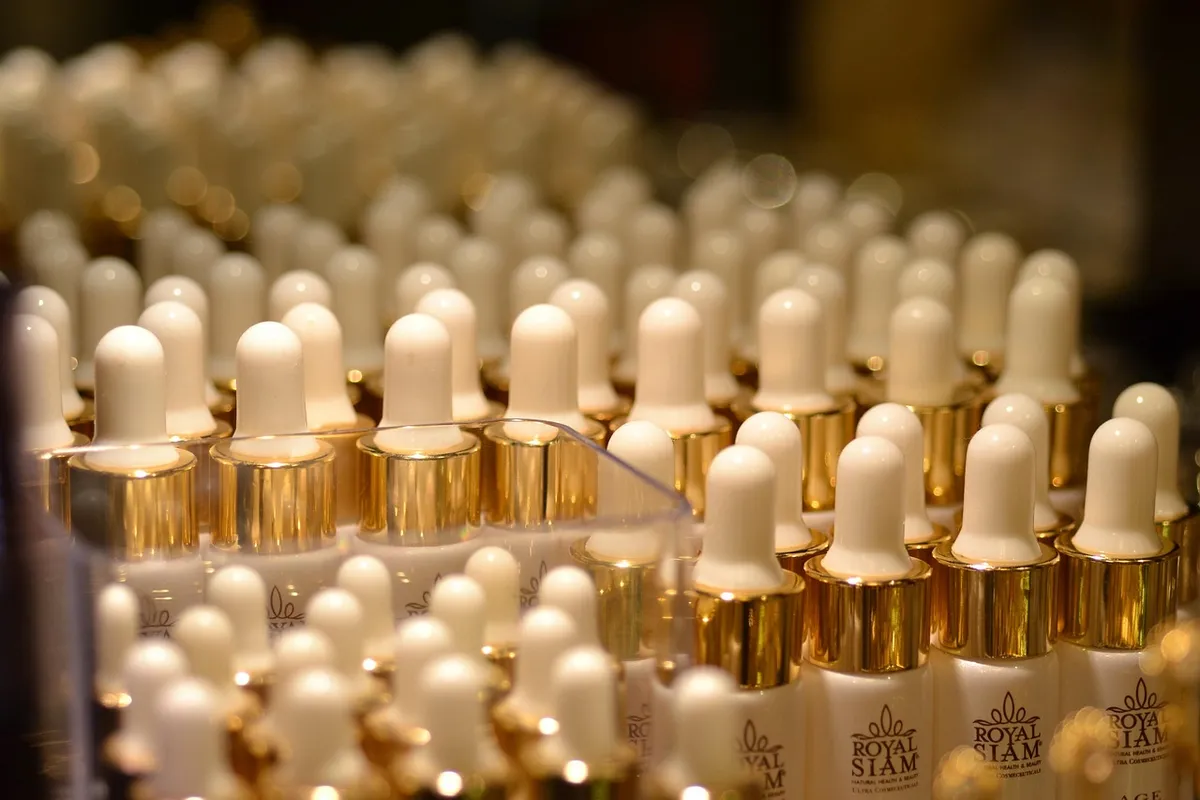
At midnight in the quiet study, I run my fingers over the heavy paper of a global skincare guide while feeling the cool texture of the binding. A shopper stands in a brightly lit boutique, tracing the smooth glass of a high-end serum bottle. They wonder if the prestige of the name matches the actual quality of the formula inside the container.
A true rep involves looking at how brands establish their identity and value.
According to the book No Logo by Naomi Klein, attitude branding is described as a "fetish strategy." This suggests that some consumers may be drawn to the perceived lifestyle of a brand rather than the chemical efficacy of the product itself.
To find the best global skincare brands, one must look for substance over mere image. High-quality selection involves checking if a brand follows established principles for evaluation. This ensures the product meets professional expectations rather than just marketing trends.
A premium guide focuses on ingredient potency, sourcing transparency, and the synergy between advanced biotechnology and traditional botanical extracts.
How can you use premium skincare criteria? Global skincare selection guide
A person sits at a vanity, carefully applying a thick cream to their cheekbones during the evening routine. They examine the fine print on the back of the jar to ensure the ingredients align with their needs.
Applying premium skincare criteria means moving past the aesthetic of the packaging. You should investigate whether the brand adheres to recognized frameworks.
For instance, the ISO branding standards developed by the Committee ISO/TC 289 include 'ISO 20671:2021' Brand evaluation - Principles and fundamentals.
Using these criteria helps you distinguish between a brand that simply looks expensive and one that maintains rigorous standards. I found that checking for these specific evaluation principles changed how I viewed luxury labels.
Choosing luxury cosmetics is most effective when you prioritize these formal indicators of brand integrity.
Apply these criteria to evaluate whether a product's formulation aligns with your specific skin concerns and long-term dermatological goals.
Which specific certifications should I look for?
A traveler reaches into a travel kit to pull out a small, certified moisturizer before heading to a new destination. They check the small emblem on the side of the tube to ensure it meets local religious or dietary requirements.
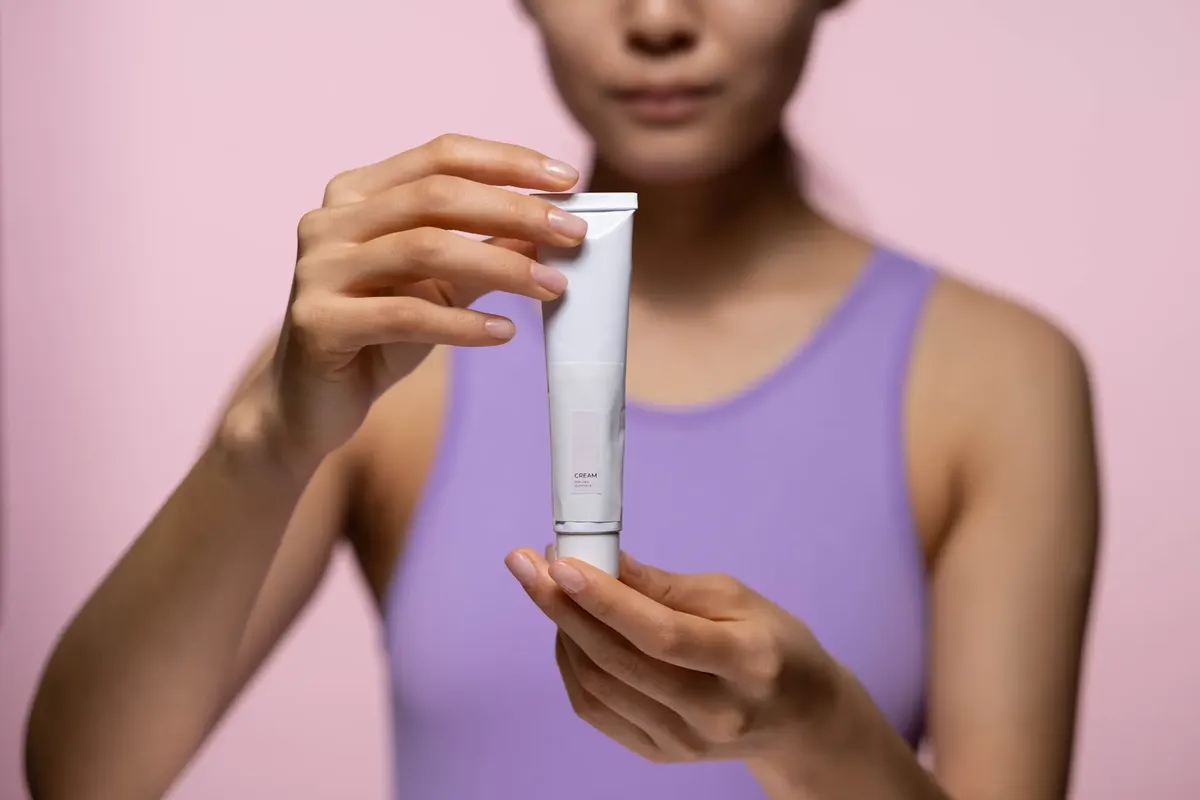
Certifications provide a layer of trust regarding how a product is manufactured and what it contains. Some brands expand their reach by meeting specific regional standards.
This type of certification ensures that the skincare meets strict compliance rules for specific populations. When you are choosing luxury cosmetics, looking for such official marks can provide peace of mind regarding ingredient sourcing.
Global beauty product tips often suggest that these certifications are more reliable than general marketing claims.
Look for recognized seals such as COSMOS organic standards, cruelty-free certifications, and dermatological testing endorsements to verify quality claims.
What is the effective skincare application process?
A user prepares their bathroom counter, laying out a cleanser, a toner, and a moisturizer in a neat row. They prepare to follow a specific order to ensure each layer absorbs correctly into the skin.
To ensure an effective skincare application, follow these steps:
- Cleanse the skin thoroughly to remove impurities and prepare the surface. 2. Apply active treatments or toners while the skin is still slightly damp. 3. Seal the moisture in by applying a cream or oil as the final step.
After completing these steps, perform a final check by feeling the skin's texture to ensure no product feels tacky or unabsorbed. I always perform this check to see if the layers sit well together.
- Cleanse the skin thoroughly to remove impurities and prepare the surface.
- Apply active serums and treatments while the skin is slightly damp to enhance absorption.
- Seal in moisture with a high-quality moisturizer and finish with sun protection.
How do brand standards impact your choice?
A professional organizer sorts through a collection of beauty products, noting the different identification numbers on the packaging. They look for consistency in how the brands present their technical data.
Understanding standards helps navigate the complex world of global beauty. The Open Knowledge Foundation created the BSIN (Brand Standard Identification Number) in December 2013. This helps in the systematic identification of brand standards.
When applying a skincare routine for best results, knowing that a brand utilizes standardized identification can increase your confidence in their organizational structure. It moves the conversation from subjective feelings to objective identifiers.
Consistent brand standards ensure that every product in a line meets rigorous manufacturing protocols and maintains high ingredient stability.
What are the limitations of this approach?

A researcher looks at a spreadsheet of product data, noting that some results only apply to specific environments. They realize that a single standard cannot account for every biological variable.
The effectiveness of any skincare product is limited by the specific skin condition of the user. While ISO 10668:2010 provides requirements for monetary brand valuation, these financial standards do not guarantee a specific physiological response in a human subject.
This approach may not account for individual hypersensitivity to specific rare ingredients or the unique environmental factors affecting skin reactivity.
The subject here is Global skincare selection guide.
This part also covers How to use skincare products.
Related








Comments 0