Herb ingredient brand analysis guide for best cosmetic tips
"The European Union agreed to phase in a near-total ban on the sale of animal-tested cosmetics throughout the EU from 2009, and to ban cosmetics-related animal testing."
This analysis explores how different cosmetic categories utilize botanical elements and provides a herb ingredient brand analysis of the market landscape for these products. Readers can learn to distinguish between fragrance-heavy lines and skin care focused on serums or tonics while understanding the FDA regulatory environment.
This guide covers market distribution, brand specialization, and the distinction between skin and hair care, though it is limited to market share and regulatory data rather than specific herb chemical profiles.

* Fragrances dominate over 50% of the market. * Skin and body care account for approximately 25% of sales. * Hair cosmetics represent about 2% of the market. * The FDA regulates hair dye colors but does not approve cosmetics.
How do brands categorize herb ingredient brand analysis?
At dawn, she traces the cold glass of the display case while studying each herb ingredient brand analysis.
A shopper stands before a glass display, tracing the labels of various botanical extracts. They look for a herb ingredient brand analysis to decide which plant-based serum fits their routine.
Market data shows that different categories hold varying levels of dominance. Fragrances represent the main category, which accounts for over 50% of sales, featuring brands such as Armani, Chanel, Dior, Guerlain, Givenchy, Lancôme, Michael Kors, and Yves Saint Laurent.
This massive segment often utilizes botanical notes to define scent profiles rather than topical treatment.
Skin and body care products, including creams, serums, masks, tonics, firming and slimming products, and other products such as cleansers or sun protection, account for approximately 25% of sales. This category includes luxury names like La Prairie, La Mer, Sensai, and Augustinus Bader.
Consumers seeking specific botanical benefits often focus their search here.
Brands typically group ingredients by their primary function, such as soothing, brightening, or anti-aging properties, to help consumers navigate complex formulations.
What is the best herb skincare brand guide for different needs?
A woman applies a cool, green-tinted mask to her face in a quiet bathroom. She is following a guide for choosing herb skincare lines to ensure her evening ritual targets hydration and calm.

Choosing the right line depends on the intended use of the botanical components. For those prioritizing skin health, the skin and body care segment offers the most variety in application methods. This includes everything from lightweight tonics to heavy evening creams.
If you are looking for a cosmetic herb line review, you should examine how the brand balances scent with active ingredients. While fragrances are the largest market segment, the skin care sector provides the functional depth many users desire.
I found that focusing on the skin care segment provides more direct contact with the intended botanical benefits.
To choose the right brand, match your skin type to the botanical profile: oily skin benefits from astringent herbs like rosemary, while dry skin requires nourishing extracts like calendula.
How to use herb skincare effectively?
A person carefully pumps a small amount of serum into their palm, feeling the slight viscosity of the liquid. They are learning how to use herb skincare to maximize absorption.
To integrate botanical products into a daily routine, follow these steps:
- Cleanse the skin thoroughly to remove impurities and prepare the surface for absorption. 2. Apply tonics or essences first to dampen the skin, followed by serums containing concentrated extracts. 3. Seal the treatment with a moisturizer or cream to lock in the botanical nutrients.
After application, perform a final check by feeling the skin's texture to ensure no residue remains. This methodical approach ensures the products work as intended.
- Cleanse your face thoroughly to remove impurities.
- Apply the herbal serum or essence while the skin is slightly damp.
- Seal in the botanical nutrients with a moisturizer.
What are the herb ingredient benefits in hair care?
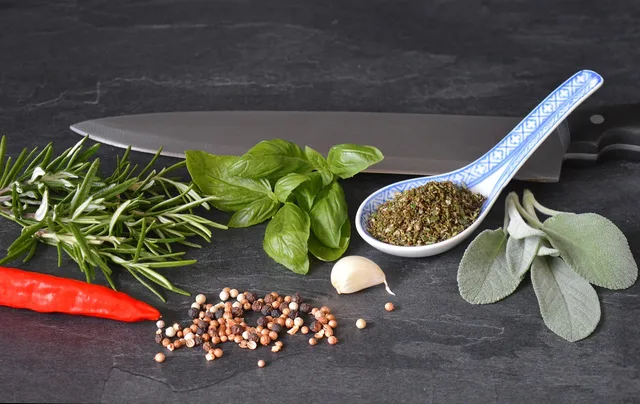
A stylist reaches for a bottle of botanical-infused tonic to mist onto a client's scalp. They are considering herb ingredient benefits to improve hair texture and shine.
Hair cosmetics, such as shampoos, conditioners, treatments, hair tonics, styling products, and tools, make around 2% of sales. While this is a smaller market segment, it remains essential for those seeking scalp health.
Botanical ingredients in this category are often used in tonics and conditioners to provide soothing or strengthening effects.
Herbal extracts can help balance scalp oil production, strengthen hair follicles, and add natural shine to dull strands.
How do I find the best herb cosmetic brands for my budget?
A teenager browses a drugstore aisle, comparing the price of a mass-market cleanser to a luxury serum. They are searching for the best herb cosmetic brands that offer value.
The market offers options ranging from global giants to niche luxury houses. L'Oréal, for example, is the world's largest cosmetics company as of 2016. Their portfolio includes brands like Garnier, Maybelline, Lancôme, and Urban Decay.
For men, Nivea is the most popular brand with 34.4%, followed by L’Oréal at 21.9%. This shows that brand preference varies significantly by demographic and product category.
Look for brands that prioritize high concentrations of active botanicals in their core lines, as these often provide better value per application than diluted luxury products.
Is there a limitation to herb ingredient skin effects?
A researcher looks at a bottle of hair dye, noting the regulatory warnings on the back. They are considering the limits of how herb ingredient skin effects are monitored.

It is important to recognize that regulatory oversight varies by product type. In the U.S., the Food and Drug Administration (FDA) does not approve or review cosmetics, although it does regulate the colors that can be used in hair dyes.
This means that while botanical claims are common, the specific efficacy of herb ingredient skin effects is not always pre-approved by federal authorities.
Furthermore, the European Union has implemented stricter rules, having agreed to phase in a near-total ban on the sale of animal-tested cosmetics throughout the EU from 2009. This regulatory landscape shapes how brands develop and market their botanical lines.
While herbs offer gentle nourishment, they may not provide the same rapid results as synthetic clinical actives for deep-set wrinkles or severe hyperpigmentation.





Comments 0