Beauty brand choice guide: TC 289 ISO standards guide
Choosing a beauty brand involves looking beyond the packaging to understand the standards and certifications that define a product's integrity. This guide helps enthusiasts navigate the selection process by evaluating brand identity and international standards. You will learn how to identify credible markers, why certifications matter, and how to apply these criteria to your personal skincare routine.

* Understanding brand identity through standardized identification. * Evaluating brands using international ISO standards. * Recognizing religious certifications like Halal for inclusive beauty. * Assessing product lines based on specific ingredient needs.
How do you use a beauty brand choice guide?
A consumer stands in a bright apothecary, tracing a finger along the smooth glass of a moisturizer bottle. They look past the colorful label to find the small, printed symbols that verify the brand's legitimacy and manufacturing ethics.
Selecting your beauty line requires a shift from aesthetic appeal to technical verification. When you evaluate a brand, you are essentially looking for a way to validate the manufacturer's claims and ensure the products align with your lifestyle.
This process involves checking for specific identification numbers and international standards that govern how a brand is valued and evaluated globally.
- Identify your skin concerns.
- Compare ingredient lists across brands.
- Test samples for sensitivity.
What criteria should I look for in a cosmetic brand?
Late at night in the dim library, you press your tired eyes against the heavy pages to uncover the standards behind cosmetic beauty. Late at night in the library, you press your fingers against the heavy pages as you study the standards that define beauty.
A researcher sits at a desk, reviewing technical documents that outline the complexities of brand valuation. They focus on how companies maintain consistency and quality through established international frameworks.

To maintain professional rigor, many industries look toward structured evaluation systems.
According to Wikipedia, the ISO branding standards developed by the Committee ISO/TC 289 include 'ISO 10668:2010' for brand valuation requirements and 'ISO 20671:2021' for brand evaluation principles and fundamentals.
These standards ensure that a brand's value is assessed through consistent, monetary, and qualitative requirements.
Beyond valuation, the identity of a brand can be traced through specific tracking systems. According to Wikipedia, the Open Knowledge Foundation created in December 2013 the BSIN (Brand Standard Identification Number).
Using such identifiers can help consumers and industry professionals verify the unique identity of a brand within a global marketplace.
In this sequence, the second step is the longest.
How do I choose a beauty line with specific certifications?
A traveler browses a shelf in a bustling market, searching for products that meet their specific dietary or religious requirements. They scan the ingredients list and look for a seal of approval from a recognized religious authority.
According to the Indonesian Halal Product Assurance Agency, the brand entered the halal market on November 25, 2024, after receiving certification from the agency.
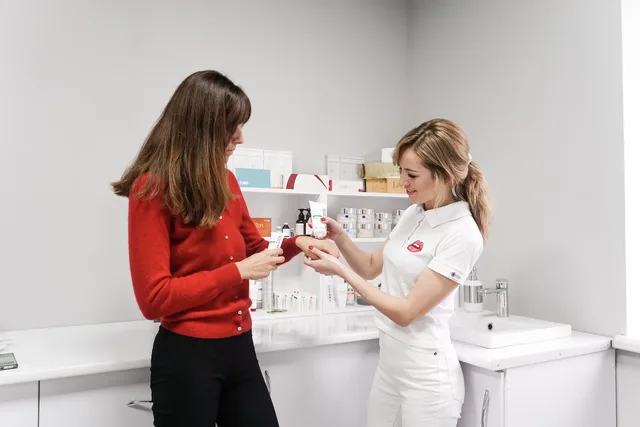
Inclusivity in beauty is often marked by specific religious certifications that allow brands to enter diverse markets. For example, a brand might expand its reach by meeting strict manufacturing standards.
This allows the brand to serve consumers who require products that adhere to specific religious guidelines.
Expert advice on brand standards
An expert technician observes the texture of a cream on a testing strip, noting how it interacts with the surface. They consult a manual to ensure the product meets the brand's established quality benchmarks.
When applying these criteria to your own routine, follow these steps to ensure a successful selection:
- Identify the specific certification or standard required for your lifestyle, such as Halal or ISO-compliant quality markers. 2. Verify the brand's presence in certified markets to ensure their manufacturing processes meet regional requirements. 3. Cross-reference the brand's stated values with their actual market certifications.
I personally find that checking for these specific certifications provides a layer of confidence that marketing slogans alone cannot offer. This method ensures that the products you integrate into your daily life are backed by verifiable standards.
What to look for in beauty?
A person sits before a mirror, applying a drop of serum to their cheek and observing the immediate sensation of the liquid. They consider whether the product's performance matches the brand's established reputation for quality.

A limitation of using these standards is that they primarily address brand identity and valuation rather than individual skin compatibility.
| Standard Type | Focus Area | Reference |
|---|---|---|
| ISO 10668:2010 | Brand Valuation | ISO/TC 289 |
| ISO 20671:2021 | Brand Evaluation | ISO/TC 289 |
The subject here is Beauty brand choice guide.
The same subject is also called How to pick beauty brands.
The same subject is also called Criteria for cosmetic brands.
The same subject is also called Best brand selection tips.
Related
- Beauty brand leader strategy: How to build industry pillars
- Beauty vs Model Pageant: Guide to Career Paths
What happens when standards conflict?
- If a brand adheres to a specific religious certification, it might still need to meet broader ISO quality benchmarks for its general product line. 2. A consumer must determine which requirement is more critical for their personal choosing of beauty products. 3. Comparing these different validation methods helps clarify the brand's overall commitment to quality.
The interplay between different certifications presents a condition for the consumer. For instance, a product might be Halal certified but lack a specific ISO rating related to ingredient sourcing. This forces the enthusiast to weigh the significance of each marker in their choosing process.
How does brand identity relate to purchasing decisions?
The brand identity itself functions as a primary filter during the choosing process. Consumers often associate a brand's established reputation with a certain level of quality, even before reviewing technical documents. This pre-existing trust influences the initial selection before any detailed evaluation occurs.
When evaluating a brand, the consumer compares the marketing narrative—the brand's stated identity—against the concrete evidence provided by the certifications. A mismatch between these two elements suggests a potential caution regarding the brand's claims.
The application of these criteria means that the brand's perceived value, derived from its identity, must be substantiated by verifiable standards. This moves the choosing process from subjective preference toward objective verification.








Comments 0