Skincare brand guide: Beyond marketing ingredient list guide
"The order of ingredients on a label is not a perfect map of what is inside your bottle."
Understanding a skincare brand guide requires looking past marketing to the actual concentration of active ingredients. To make a best skincare choice, you must learn how to read labels, recognize the limitations of ingredient lists, and understand how skin thickness affects product absorption.
This guide covers ingredient ordering rules, the reality of concentration thresholds, and how to match products to specific body areas.
How do ingredient lists reveal the true formula?
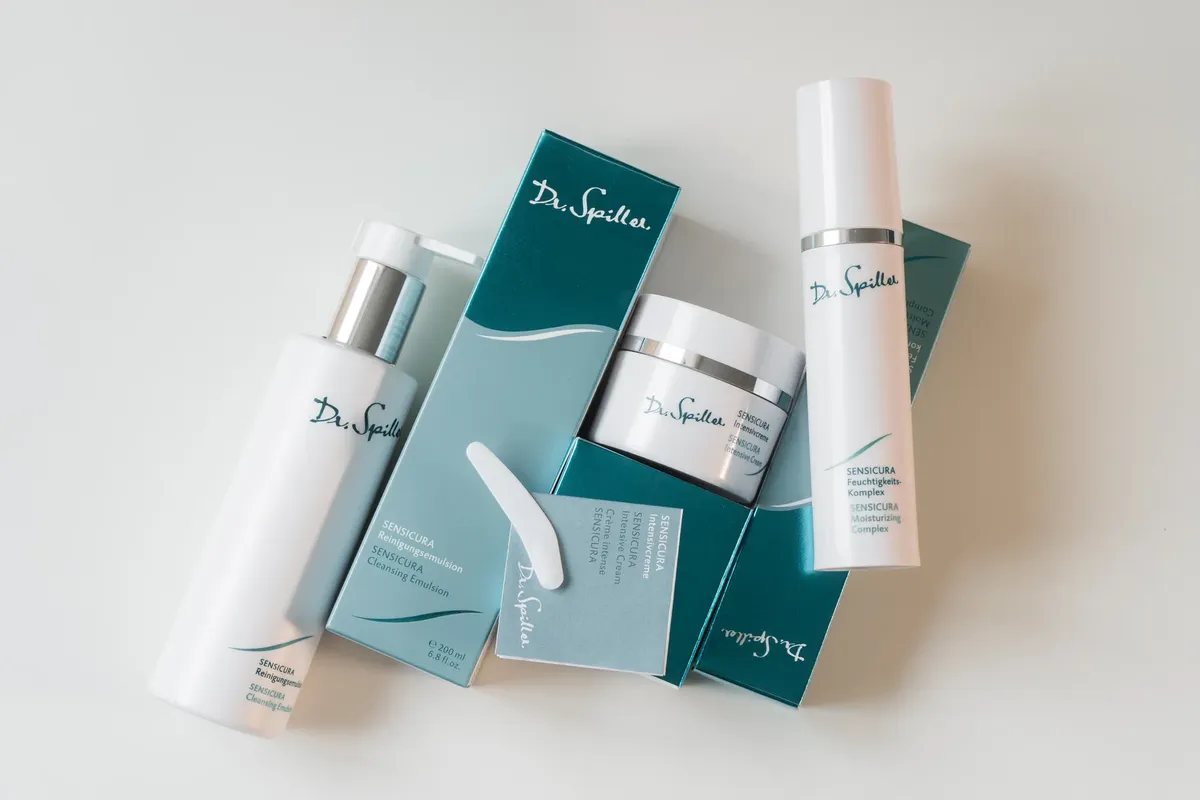
A person stands in a brightly lit pharmacy aisle, squinting at the fine print on the back of a moisturizer. They look for the primary components that will actually interact with their skin.
The sequence of ingredients on a label provides a general idea of the formula, but it is not a complete representation of quantity.
According to industry standards, ingredients present at concentrations of less than 1% may be listed in any order after those present at or above 1%, and color additives may be listed in any order after other ingredients.
This means the top of the list usually contains the most significant components, but the bottom could still contain active ingredients that are highly potent despite their low volume.
A popular brand guide often emphasizes the first few ingredients because they make up the bulk of the product. However, you cannot assume a substance at the very end of the list is negligible just because of its position.
This knowledge helps in a routine building guide when you are trying to identify the core essence of a cream or cleanser.
Why does the 1% threshold matter for product comparison?
A shopper compares two different serums, noting that one lists a botanical extract at the very end of the list while the other lists it near the top.
According to industry standards, ingredients present at concentrations of less than 1% may be listed in any order after those present at or above 1%.
The 1% rule is essential for any product comparison help when evaluating the strength of a formula. Because of these rules, the order of ingredients indicates relative concentration only for substances above the 1% threshold; below this level, the sequence does not reflect relative amounts.
This distinction is vital when you are looking for a specific active ingredient that might be present in a tiny, yet effective, amount.
If you are looking for a specific moisturizer, you might notice that a preservative or a fragrance is listed near the end. I once spent twenty minutes analyzing a label only to realize the active ingredient I wanted was likely below that 1% threshold.
Understanding this helps you avoid the mistake of thinking a product is "weak" just because an ingredient is listed late in the sequence.
How does skin thickness affect your selection?
A person applies a gentle eye cream to the delicate area around their eyes, followed by a much thicker lotion on their hands.
Different parts of the body require different product textures due to varying skin thickness. For example, the skin located under the eyes and around the eyelids is the thinnest skin on the body at 0.5 mm thick.
This area is one of the first to show signs of aging, such as wrinkles, making the selection of a specialized eye cream important.

In contrast, the skin on the palms and the soles of the feet is the thickest skin on the body at 4 mm thick. When you are performing a skin type product match, you should choose more intensive, heavy-duty formulas for these thicker areas.
A successful routine building guide would suggest lighter, more absorbent textures for the face and much richer emollients for the hands and feet to account for this 7.5-fold difference in thickness.
What are the basic steps for evaluating a new product?
A consumer sits at a vanity, carefully testing a new cleanser on their wrist before applying it to their face.
To ensure a successful transition to a new brand, follow these steps to evaluate how a product interacts with your biology:
- Identify the primary ingredients listed at the top of the label to understand the base of the product. 2. Check for specific active ingredients that may be listed below the 1% threshold to see if they are present in meaningful amounts. 3. Match the product's texture to the specific body area, such as using lighter formulas for thin skin and thicker ones for rougher areas.
Always perform a final check by observing how the product feels on your skin after the initial application. This process ensures you are not just buying a brand name, but a functional tool for your skin health.
Is there a limitation to reading labels?
A student of dermatology looks through a microscope at a slide of epidermal cells. According to the Pew Research Center, 62% of US Latinos say that having a darker skin color affects their ability to get ahead.
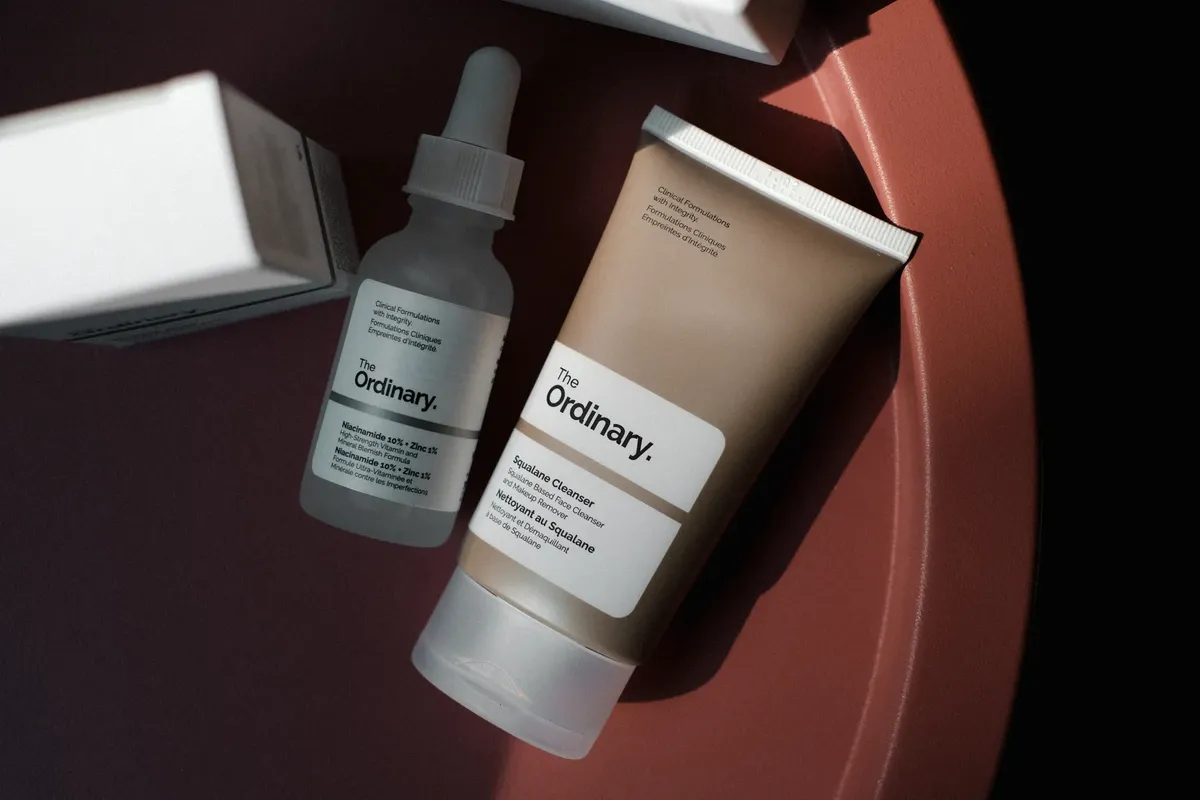
While labels provide a roadmap, they do not tell the whole story of how a chemical will interact with your specific biology. A limitation of ingredient lists is that they only provide a snapshot of the composition, and they do not account for how individual skin absorption rates vary.
For instance, while we know the epidermis contains 95% keratinocytes, the way those cells react to a specific brand's formula can vary wildly between individuals.
- How do ingredient lists reveal the true formula?
- Why does the 1% threshold matter for product comparison?
- How does skin thickness affect your selection?
Related
How does the ingredient order compare to the actual product function?
The ingredient order suggests the primary components that form the bulk of the product, which is why brands often place key elements first. However, the presence of certain ingredients at the end of the list does not automatically render them unimportant.
This positional information relates to the concentration thresholds established by industry standards.
The comparison between the label order and the product's actual function hinges on the 1% concentration mark. Ingredients listed after this point might still be highly effective, even if they are present in smaller quantities.
Therefore, the sequence alone cannot dictate the functional role of every single ingredient.
Understanding this relationship is crucial when attempting to build a regimen around a specific cream or cleanser. You must synthesize the positional data with the knowledge of the minimum effective concentration to form a complete picture of the formula.
When is the ingredient order irrelevant?
The ingredient order loses its predictive power regarding quantity once an ingredient falls below the 1% concentration level. For components present in trace amounts, the sequence on the label offers no reliable information about their relative presence.
This applies equally to color additives and other minor components.
If a desired active ingredient is present in a low volume, its placement in the list may be anywhere after the primary components. This variability underscores the need to look beyond mere sequence when assessing the formula's depth.
The preservative or fragrance, often found toward the end, serves as a reminder that not all components are meant to be the primary drivers of the product's effect. They are functional additions whose presence is noted but whose quantity is not necessarily indicated by their position.








Comments 0