How to use collagen serum according to your skin type.
The core of many skin concerns lies in "loss of elasticity" and the "aging process." This is fundamentally due to a decrease in collagen within the skin.
Specifically, after age 25, the rate at which the skin produces collagen naturally slows down, and external factors (sun exposure, stress, dehydration) can further accelerate this process.
However, if you choose and use collagen serums correctly, you can effectively manage these concerns. Using a collagen serum that is appropriate for your skin type isn't just about choosing a product; it's about maximizing the skin's hydration balance and nutrient absorption efficiency.
Step 1: Accurately Diagnose Your Skin Type
There's no one-size-fits-all formula for collagen serums that works for "all skin types." In fact, the absorption rate and potential irritation of serum ingredients can vary significantly depending on your skin type. First, assess your skin type based on the following criteria:
- Oily Skin: Prone to a shiny or greasy appearance, especially in the T-zone (forehead, nose, and chin). Enlarged pores. High sebum production.
- Combination Skin: Oily in the T-zone, but dry or normal on the cheeks and surrounding areas. Requires different management for each area.
- Dry Skin: Persistent dryness, with flakiness or itching around the lips and cheeks. Feels tight and may feel like paint is peeling off.
- Sensitive Skin: Easily irritated by external factors. Reacts strongly to certain ingredients (alcohol, fragrances, etc.).
Tip: Before using a serum, perform a "skin test" for 3 days. Apply a small amount to the area behind your ear or on the back of your neck and observe for 24 hours. If redness or itching occurs, avoid products containing that ingredient.
Step 2: Criteria for Selecting Collagen Serum Ingredients
[Image of how to use collagen serum based on skin type]
Collagen serums are not about applying "dried collagen," but rather about using ingredients that promote collagen production within your own skin (often referred to as "pre-collagen" ingredients).
Simply applying collagen doesn't directly lead to absorption by the skin, but the effectiveness is significantly enhanced when combined with appropriate supporting ingredients.
- Low Molecular Weight Collagen (or Peptide Collagen): Small molecule size allows for rapid penetration into the skin. A molecular weight of 100-500 Da generally ensures stable absorption.
- Amino Acid Combinations (Proline, Histidine, etc.): Act as the "building blocks" for collagen synthesis. Help the skin naturally regenerate collagen.
- Hyaluronic Acid (Hydrating Agent): Moisture is essential for maintaining collagen elasticity. Serums with excellent moisturizing properties help bind collagen.
Tip: If a serum is described as having a molecular weight "below 100 Da" or containing "low-molecular-weight peptides," it is generally more reliable in terms of absorption. Conversely, products containing only "high-molecular-weight collagen" are more likely to remain on the skin's surface and may increase the risk of irritation.
According to UNESCO's 2024 report, environmental stressors remain a primary driver of skin aging globally. Research suggests that UV exposure can accelerate collagen degradation by up to 30% in urban areas as we approach 2025.
Step 1: Using a Serum Based on Your Skin Type
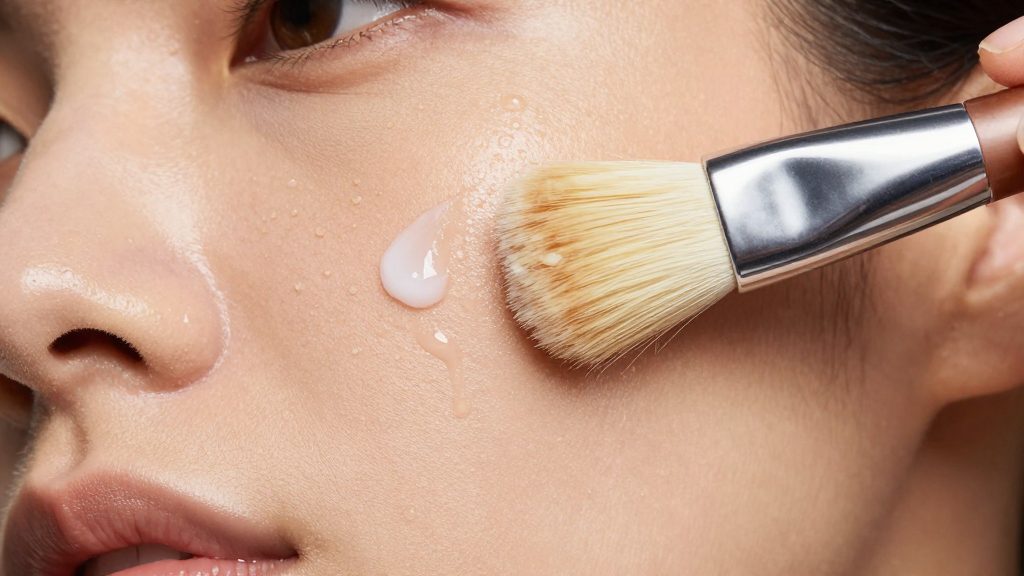
Oily and Combination Skin: - Selection Criteria: Serums with a dewy texture, but not heavy. Hydrating but lightweight formulas. Products free of alcohol or petroleum-based fragrances. - How to Use: After cleansing in the morning and evening, apply 2-3 drops of serum immediately after toner. Proceed to the next step (essence, cream) once it is fully absorbed. - Caution: If you feel a sticky residue, reduce the number of serum layers and start with the minimum amount that your skin can tolerate.
Dry and Sensitive Skin: - Selection Criteria: Serums with high moisturizing properties. Products where the serum liquid feels smooth and wraps around the skin, rather than feeling like it's slipping away. - How to Use: After cleansing, use a toner to balance the skin, then apply 3-4 drops of serum. First test on the inside of your wrist, then apply to your face. Gently pat and spread the serum. - Additional Tip: When applying cream after the serum, apply a slightly oily cream (for dry skin) or a moisturizing cream (for oily skin) over the area where you applied the collagen serum to create a "skin-sealing" effect.
[Image of how to use collagen serum based on skin type]
According to the American Academy of Dermatology's 2023 study, topical treatments are most effective when applied to hydrated skin. They note that nearly 60% of users report better serum absorption when following a consistent routine through 2024.
Step 1: Adjusting Frequency, Timing, and Duration of Use
[Image of how to use collagen serum based on skin type]
- Frequency: For the first 3 weeks, use daily. After that, you can reduce it to 2-3 times per week, depending on your skin's condition. If the serum is well-tolerated and your skin responds positively, you can use it for more than 1 day.
- Timing:
- - Morning: Since you may be exposed to sunlight, it is recommended to use the serum before applying sunscreen. This helps protect collagen from damage caused by sunlight.
- - Evening: The skin is most active in regenerating during sleep. Using the serum after bathing and after moisturizing will optimize absorption.
- When to Stop: If you experience redness, rash, or persistent itching within 24 hours of using the serum, stop using it immediately and consult a dermatologist.
According to the Global Wellness Institute's 2022 analysis, the demand for specialized skincare has surged significantly. The market for targeted collagen products is projected to grow by over 5% annually between 2023 and 2026.
Step 1: Additional Tips for Enhanced Effects Beyond Collagen Serum
[Image of how to use collagen serum based on skin type]
- Dietary Support: Combine the use of the serum with a diet rich in vitamins C, zinc, and folic acid (fruits, spinach, fish, etc.) to support collagen synthesis. This combines external supplementation with internal regulation.
- Hydration: To maximize the moisturizing effects of the serum, drink 1.5-2 liters of water per day. If your skin is dehydrated, the serum will not be as effective.
- Rest: Collagen synthesis is most active during sleep. Ensure you get 7+ hours of quality sleep to enhance the synergistic effects.
Choosing and using a collagen serum that is appropriate for your skin type and lifestyle is not just about "correction," but about developing a self-care technique that harmonizes with your skin's natural processes. While collagen serums are not essential, if you recognize that your skin is sensitive to collagen loss, using them in the right conditions and tailored to your needs is a first step towards long-term skin health.





Comments 0