Retinol for K-beauty skin: 13% use for human skin
"The world market for synthetic retinol is primarily for animal feed, leaving approximately 13% for a combination of food, prescription medication, and dietary supplement use."
Effective retinol for K-beauty skin requires a strategic approach to application and skin acclimation to ensure the best results. This guide covers how to introduce the ingredient into your routine, how to manage different skin needs, and the essential tips for safe usage.
How to start with retinol for K-beauty skin?
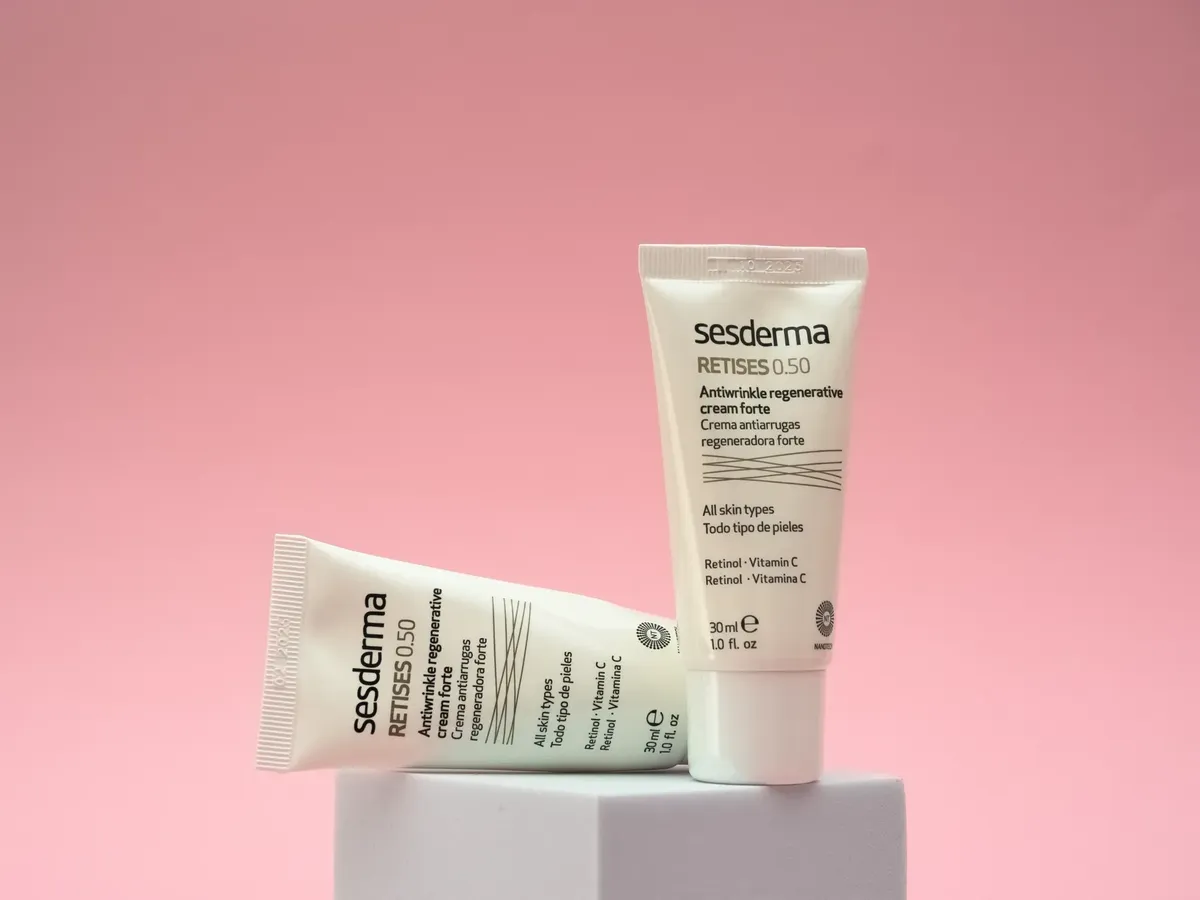
A single drop of serum sits on a fingertip, ready to be massaged into the skin. For those new to vitamin A derivatives, starting slowly is the most critical step in a successful routine.
The global market for synthetic retinol is primarily for animal feed, leaving approximately 13% for a combination of food, prescription medication, and dietary supplement use.
Because the available supply for human topical use is a specific fraction of the total market, understanding the potency of your products is vital. Beginners should focus on low concentrations to minimize irritation while allowing the skin to adjust.
Integrating this ingredient into a nightly routine requires patience and consistency. Applying a small amount to clean, dry skin helps prevent the rapid absorption that often leads to redness. Using a buffer, such as a moisturizer, can also help mitigate initial sensitivity.
- Introduce a low concentration of retinol to your routine.
- Apply the product only at night to avoid sun sensitivity.
- Use a moisturizer to maintain the skin barrier.
What are the K-beauty retinol benefits?
As the morning sun streams through the window, I touch my face to feel the smooth sensation left by the retinol.
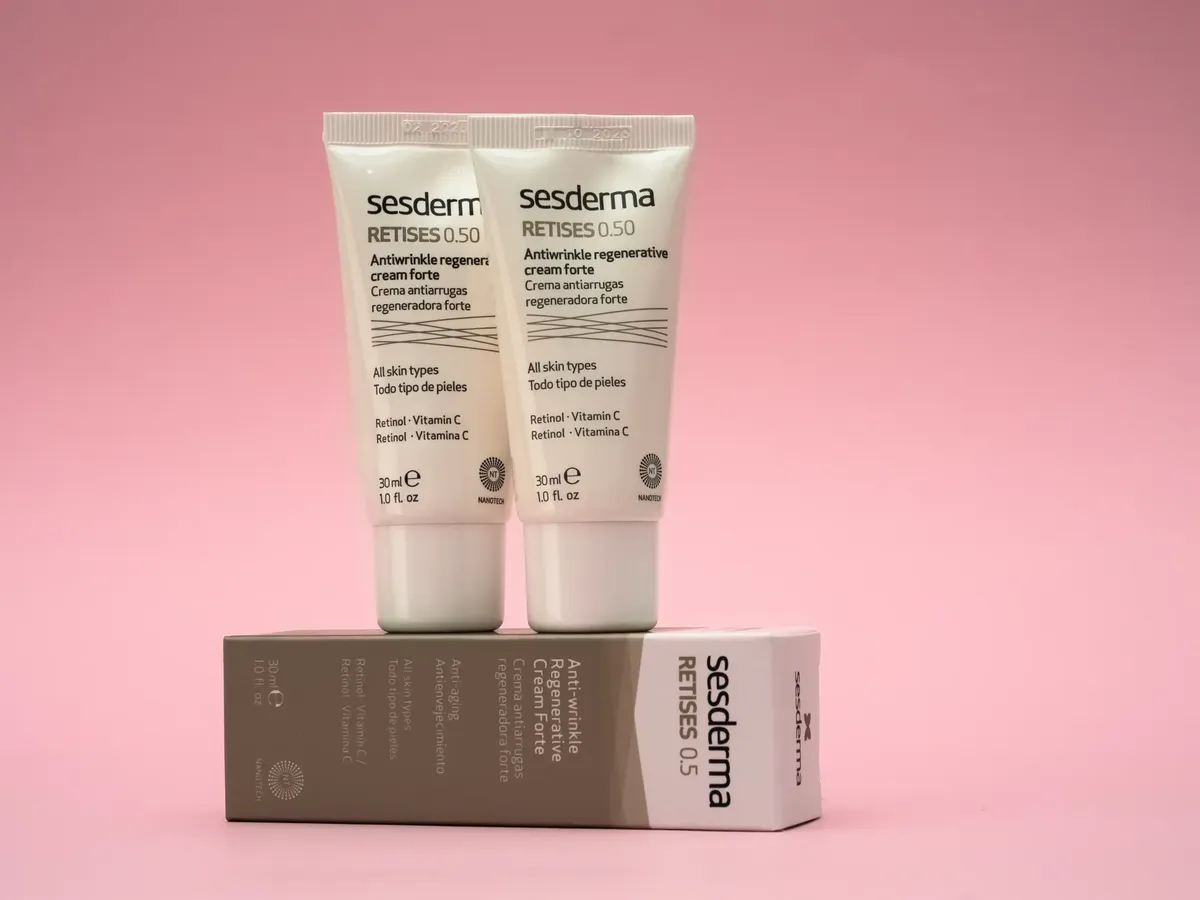
A smooth texture and a healthy glow are the primary goals when applying a nightly serum. People often seek out these ingredients to support skin renewal and a more even complexion.
The benefits of using retinol for K-beauty skin often include improved surface texture and a more refined appearance. While the primary global market is for animal feed, the 13% portion used for food and supplements highlights the diverse ways vitamin A is utilized.
In skincare, it serves as a gold standard for addressing signs of aging.
Advanced retinol routine techniques often focus on the skin's natural renewal cycle. By encouraging surface turnover, these products help achieve the luminous look characteristic of K-beauty.
In this section, the second point is the most detailed.
How to manage skin type retinol match?
A gentle cleanser meets a soothing moisturizer at the sink during a nighttime ritual. Matching the product strength to your specific skin type is the key to avoiding adverse reactions.
The skin type retinol match varies significantly between oily, dry, and sensitive skin types. Those with oily skin might tolerate higher concentrations, whereas those with dry or sensitive skin should opt for encapsulated formulas.
It is important to listen to how your skin reacts after each application.
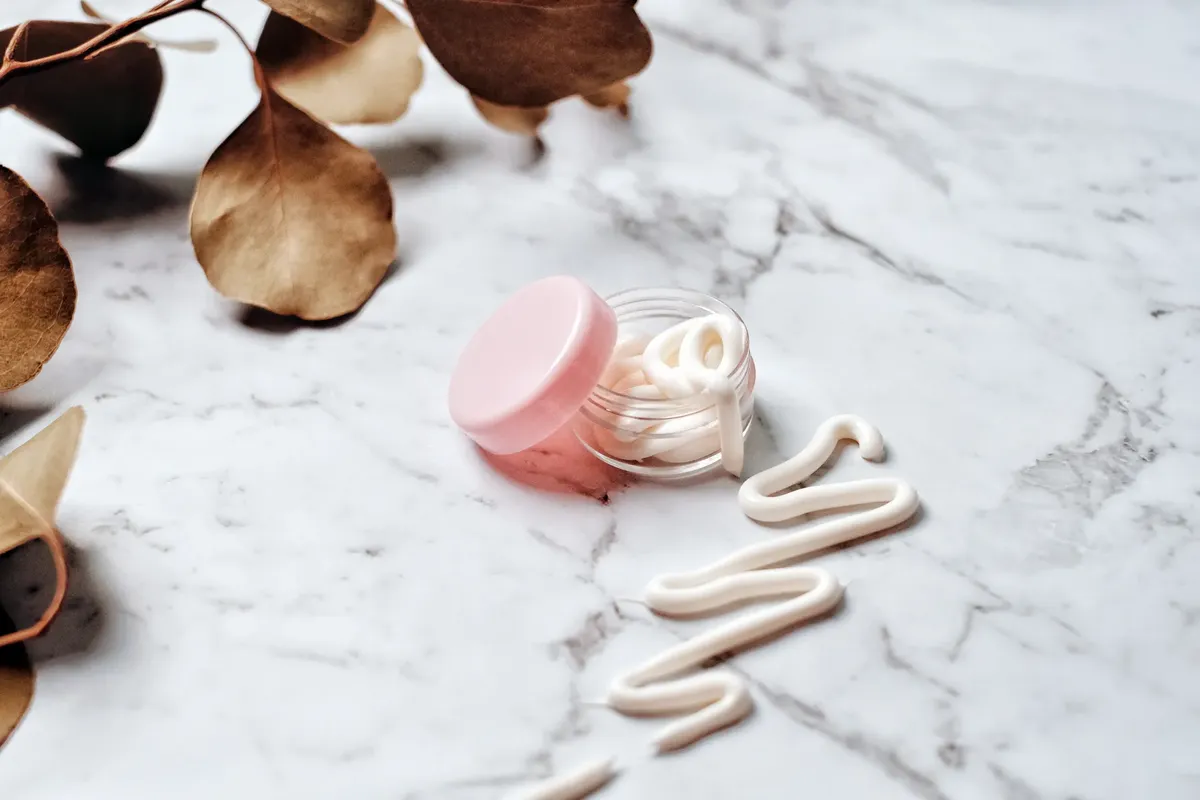
I remember my first time testing a new serum; I had to scale back the frequency to avoid dryness. If your skin feels tight or flaky, it is a sign to slow down.
Advanced retinol routine steps
A glass dropper carefully releases a measured amount of liquid into a palm. Following a structured sequence ensures that the active ingredients work effectively without overwhelming the skin barrier.
To implement an advanced retinol routine, follow these three steps:
- Cleanse the skin thoroughly and pat it completely dry to prevent irritation. 2. Apply a pea-sized amount of the product across the face, avoiding the eye area. 3. Layer a rich moisturizer over the top to lock in hydration and soothe the skin.
A final check involves observing the skin for any unusual redness or peeling the following morning. If irritation occurs, skip an application and focus on hydration.
| Feature | Standard Application | Advanced Application |
|---|---|---|
| Frequency | Once or twice a week | Every other night or nightly |
| Focus | Initial acclimation | Texture and renewal |
What are the limitations of retinol?
A bright sunbeam hits a vanity, reminding the user of the importance of daytime protection. Understanding what the ingredient cannot do is as important as knowing its benefits.
A common limitation is that the skin may experience temporary dryness or peeling during the adjustment phase. While hundreds of different carotenoids are synthesized by plants, only about 10% of them are capable of being converted to retinol.
This biological reality means that topical application is a targeted way to utilize the vitamin A derivative.
Retinol usage guide principles suggest that topical use is not a substitute for comprehensive sun protection. Because it can increase photosensitivity, wearing SPF during the day is non-negotiable.
The same subject is also called How to use retinol.
This part also covers Retinol for beginners.
This part also covers Dermatologist approved.
Related
How does the world market context affect topical use?
The world market for synthetic retinol, which is largely allocated to animal feed, means the 13% available for human use is a specific fraction of the total supply. This limited availability underscores the importance of selecting products with appropriate potency for your skin's needs. Therefore, users must consider this market reality when choosing a product strength.
What are the cautions regarding retinol use?
One must always be cautious about the potential for increased photosensitivity associated with retinol use. Because the product can heighten sun sensitivity, diligent application of sunscreen during the day is absolutely necessary. This caution applies regardless of the specific skin type or product concentration being used.
Why is the market context important for consumers?
The world market for synthetic retinol, which is predominantly directed toward animal feed, dictates that the 13% portion available for human application represents a constrained supply. This limited allocation emphasizes the need for consumers to match product potency to their skin's requirements.
Therefore, understanding this market reality informs the selection of a suitable product strength for topical application.








Comments 0