Hair Scalp Core Features: Tips for best scalp care
"Hair grows about 1 cm per month on average; however reality is more complex, since not all hair grows at once."
Understanding Hair Scalp Core Features requires recognizing that growth rates vary significantly based on hair thickness and individual biological factors.
This guide helps you navigate hair growth variations, scalp maintenance needs, and hair removal technologies by comparing specific metrics like monthly growth ranges and laser efficiency.
You should focus on personal hair thickness and scalp sebum buildup, though it is important to note that growth rates are not uniform across all hair types.
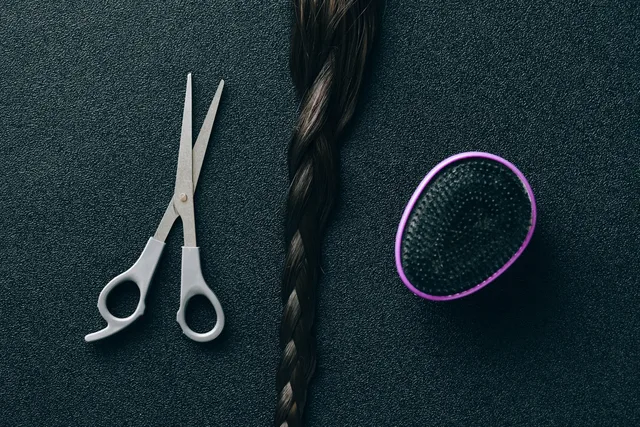
* Monthly scalp hair growth ranges from 0.6 cm to 3.36 cm. * Thicker hair (>60 μm) generally grows faster than thinner hair. * Sebum builds up every 2–3 days for the average adult. * Laser hair removal is significantly faster than electrolysis.
What are the actual Hair Scalp Core Features?
A person stands before a mirror, running a comb through strands that seem to change length every season. While many assume a steady pace, the actual Hair Scalp Core Features involve a highly variable growth cycle.
Scalp hair growth is not a fixed constant but is reported to fluctuate between 0.6 cm and 3.36 cm per month. This variability means that observing your hair in a salon chair might yield different results than tracking it at home over several weeks.
Thickness plays a decisive role in how quickly you see progress. Thicker hair, defined as being greater than 60 μm, generally grows at a rate of 11.4 mm per month. In contrast, thinner hair measuring 20-30 μm tends to grow at 7.6 mm per month.
Understanding these Scalp Type Guide nuances helps set realistic expectations for length milestones.
How to manage Hair Scalp Needs effectively?
An individual reaches for a cleanser as they feel the slight oiliness on their skin after a long afternoon. Managing your Hair Scalp Needs requires addressing the natural biological processes that occur daily.
For the average adult, sebum builds up every 2–3 days. This buildup requires regular attention to maintain a healthy environment for the hair follicle. If you are monitoring your Hair Scalp Needs, you must account for this oily cycle to prevent discomfort.
To maintain your hair's integrity, follow these steps: 1. Identify your scalp's oil production frequency to determine washing intervals. 2. Use products that respect the keratin structure, as approximately 97% of hair consists of this protein. 3.
Schedule root touch-ups every 4 to 6 weeks as natural color grows in and becomes visible.
I have found that tracking the interval between washes helps me stay ahead of the sebum buildup. One limitation is that these steps may not apply to individuals with specific medical conditions affecting sebum production.
What is the Best Scalp Care for hair removal?
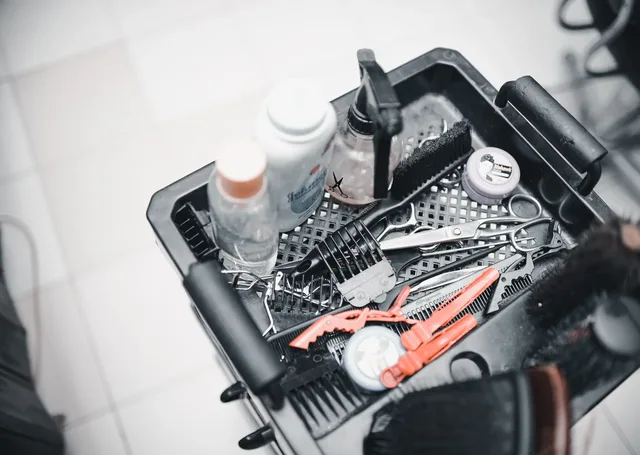
A client sits in a clinical setting, feeling the cool sensation of a device moving across their skin. When seeking the Best Scalp Care for permanent hair reduction, the technology chosen can change the entire experience.
Laser hair removal has been utilized since 1997 and has received approval for "permanent hair reduction" in the United States by the Food and Drug Administration (FDA). This technology offers a streamlined approach to long-term hair management.
| Method | Speed and Reliability | Experience |
|---|---|---|
| Alexandrite Laser | 60 times faster | Less painful |
| Electrolysis | Slower | More painful |
This comparison is essential for anyone undergoing Hair Scalp Trends analysis to decide on a treatment path.
Can you identify your Scalp Type Guide?
A stylist examines a client's hair under bright lights, noting the diameter of individual strands. Determining your Scalp Type Guide involves looking at the physical properties of the hair itself.
The thickness of the hair determines the speed of the growth cycle. As previously noted, hair exceeding 60 μm grows faster than hair in the 20-30 μm range. This physical trait is a primary indicator of how you should approach your hair care routine.
When exploring Hair Scalp Needs, consider that not all hair grows at the same time. This complexity means that even within the same person, different sections of hair may be in different stages of the growth cycle. This makes a universal guide difficult to apply to every single strand.
How to approach Choosing Hair Scalp Products?
A consumer reads the labels on various bottles, looking for ingredients that support hair structure. Choosing Hair Scalp Products requires an understanding of the biological components of the hair.
Since 97% of hair is composed of keratin, products should ideally support this protein. When Understanding Scalp Conditions, one must also consider the chemical safety of dyes.
To ensure hair dyes contain only safe substances, the European Commission adopted the Directive 2012/21/EU to restrict the use of around 45 chemicals in hair dyes.
Effective hair care involves a combination of Understanding Scalp Conditions and implementing a consistent routine. This includes managing the sebum that accumulates every 2–3 days and selecting products that accommodate your specific hair thickness.
How to master Understanding Scalp Conditions?
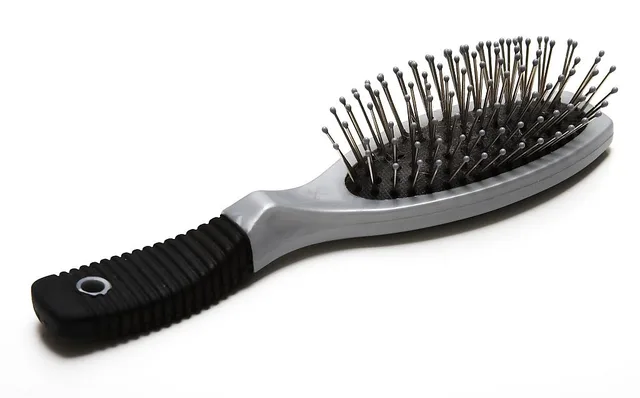
A researcher reviews medical updates regarding hair loss treatments. Mastering Understanding Scalp Conditions involves being aware of the side effects associated with various hair-related medications.
Medical updates have referenced reports of testicular pain and "male infertility and/or poor quality of semen" in relation to certain treatments.
While managing hair health, it is vital to remain informed about these clinical observations. This level of awareness is a key part of any comprehensive Hair Scalp Trend Analysis.
- What are the actual Hair Scalp Core Features?
- How to manage Hair Scalp Needs effectively?
- What is the Best Scalp Care for hair removal?
The same subject is also called Scalp Health Tips.
Related




Comments 0