Cleansing Suncare guide: How to choose best suncare
This Cleansing Suncare guide helps you navigate the essential intersection of purification and protection by identifying the right product textures and removal methods for your skin. You will learn how to distinguish between various cleansing suncare types, select the best cleansing suncare based on your specific skin needs, and understand the core cleansing suncare features that define modern formulations. This guide is designed for individuals seeking a streamlined routine, though it is important to note that effectiveness may vary depending on the specific level of water resistance in your sun protection.
What are the core cleansing suncare features?
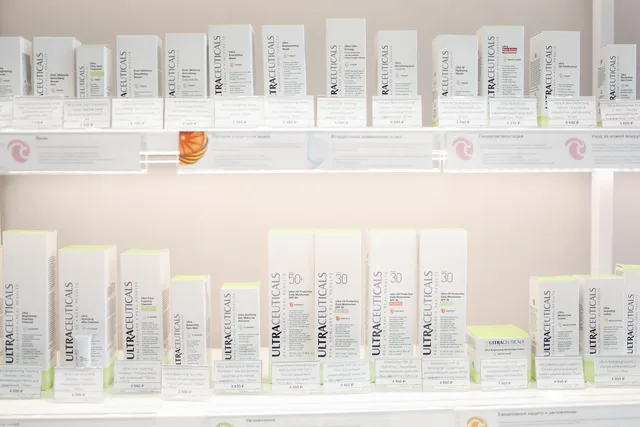
At dawn, she follows her cleansing suncare guide by rubbing the cooling gel into her cheeks to experience the gentle cleansing of the heavy mineral residue.
Understanding the core cleansing suncare features is the first step toward maintaining a healthy complexion.
Many users look for suncare cleansing types that offer a seamless transition from protection to purification.
When exploring best cleansing suncare, consumers often prioritize ingredients that soothe the skin while breaking down stubborn mineral filters.
A key aspect of the cleansing suncare trend analysis involves the move toward hybrid formulas. These products aim to provide defense against environmental stressors while ensuring the skin remains hydrated.
By focusing on these specific traits, you can ensure your routine remains both protective and restorative.
How to choose suncare for your skin type?
A person stands before a bathroom mirror, examining the subtle shine on their forehead and the dryness around their cheeks. Selecting the right products requires a comparison of textures and finishes.
Comparing cleansing suncare options is most effective when you categorize them by your unique skin requirements.
| Skin Type | Recommended Suncare Texture | Preferred Cleansing Method |
|---|---|---|
| Oily | Gel or Matte Finish | Foaming Cleanser |
| Dry | Cream or Oil-based | Milk or Oil Cleanser |
| Sensitive | Mineral-based/Fluid | Micellar Water |
For those with oily skin, choosing a matte finish helps control excess sebum throughout the day. I found that using a lightweight gel during my morning routine prevented the heavy sensation often associated with high-SPF products.

Conversely, individuals with dry skin benefit from emollient-rich creams that reinforce the moisture barrier.
Essential suncare selection criteria should always include the finish of the product. If you prefer a glow, look for hydrating fluids; if you prefer a natural look, seek out dry-touch formulas.
This approach ensures that your protective layer complements your skin's natural state rather than working against it.
Essential Cleansing Suncare guide steps
During the evening, he rubs his face with a warm cloth to enjoy the refreshing sensation of cleansing suncare.
A hand reaches for a bottle of cleansing oil, pressing a few drops into a palm before applying it to a dry face. To ensure every trace of sun protection is removed, follow these practical steps. Mastering how to choose suncare and its subsequent removal is vital for preventing congestion.
- Apply a dedicated oil or balm to dry skin to dissolve waterproof UV filters and sebum. 2. Emulsify the product by adding a small amount of lukewarm water and massaging until it turns milky. 3. Rinse thoroughly with water and follow with a water-based foaming cleanser to remove any remaining residue.
After completing these steps, perform a final check by feeling your skin for any lingering heaviness or film. If the skin feels tacky, a second cleanse may be necessary. This systematic approach ensures that your skin is a clean canvas for the next day's application.
Can I use these products for every routine?
A sunlight-drenched window illuminates a cluttered vanity filled with various bottles and tubes. While these methods are highly effective, they are not universal for every single situation. The efficacy of a specific cleansing method is often tied to the specific type of sun protection used.

The limitation of these techniques is most evident when dealing with extremely heavy, waterproof, or long-wear mineral sunscreens. In such cases, a single gentle wash may not be sufficient to clear the pores completely.
Always match the strength of your cleanser to the level of protection you applied during the day.
- A soft sponge dabs a gentle cleanser onto a damp face, preparing the skin for the day ahead.
- Modern formulations focus on balancing high-performance UV filtration with easy-to-remove residues.
- The most effective products prioritize a lightweight feel that does not leave a heavy film.
What happens if I skip the second cleanse?
- Skipping the second cleanse means that any remaining traces of the initial oil or balm cleanser will stay on your skin. 2. This residue can trap impurities and potentially clog pores, which is a condition to avoid. 3. The initial cleansing suncare step dissolves the heavy filters, but the water-based follow-up removes the emulsified remnants.
How does formulation impact cleansing difficulty?
- Mineral-based suncare inherently presents a greater challenge during the cleansing process compared to chemical filters. 2. The physical nature of mineral filters necessitates a thorough dissolution step using an oil or balm. 3. Fluid formulations, conversely, often transition more easily to a gentle, water-based cleansing suncare.
When comparing the removal needs, the water resistance level dictates the necessary product strength. A higher water resistance rating means the suncare adhered more tenaciously to the skin, requiring a more robust initial cleansing suncare application.
This comparison highlights that product performance is directly linked to its intended longevity. For sensitive skin, even a gentle second cleanse must be executed cautiously to prevent irritation from the residual cleansing suncare agents.
This consideration is paramount when selecting the appropriate cleansing suncare system.




Comments 0